Repair when it is right, replace when it is not
A cracked tab, a split corner or a scuffed face can be plastic-welded, reshaped and refinished. A cover that is torn through the sensor mounts or crushed at the absorber is replaced, and we show you why on the estimate.
What is behind the cover gets checked
The absorber, the beam, the brackets and the crash sensors sit hidden under the plastic. The cover comes off before the estimate is final so a cracked absorber is not discovered a year later in the next hit.
Painted to match the metal beside it
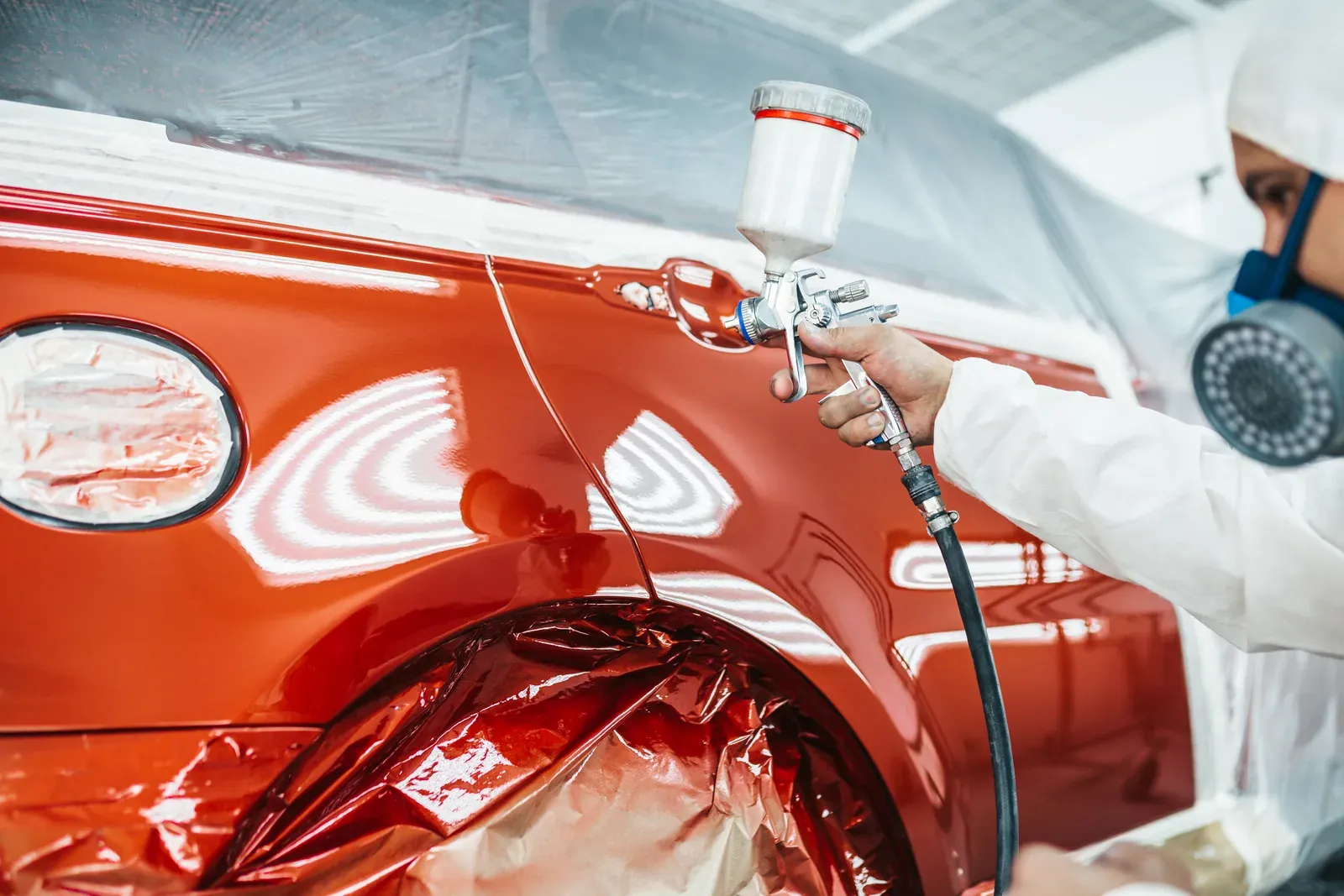
Plastic takes paint differently from steel. The cover is primed with adhesion promoter, sprayed with flex additive in the colour and blended into the fender so the bumper and the body read as one.
Sensors and cameras accounted for
Parking sensors, blind-spot radar and rear cameras are checked after reassembly, and where the manufacturer calls for recalibration after bumper work, it is arranged before the car goes back to you.
 The scuff
 Cover on the stand
 Refit and gapped
A painted cover, an absorber, a beam and the sensors riding in it
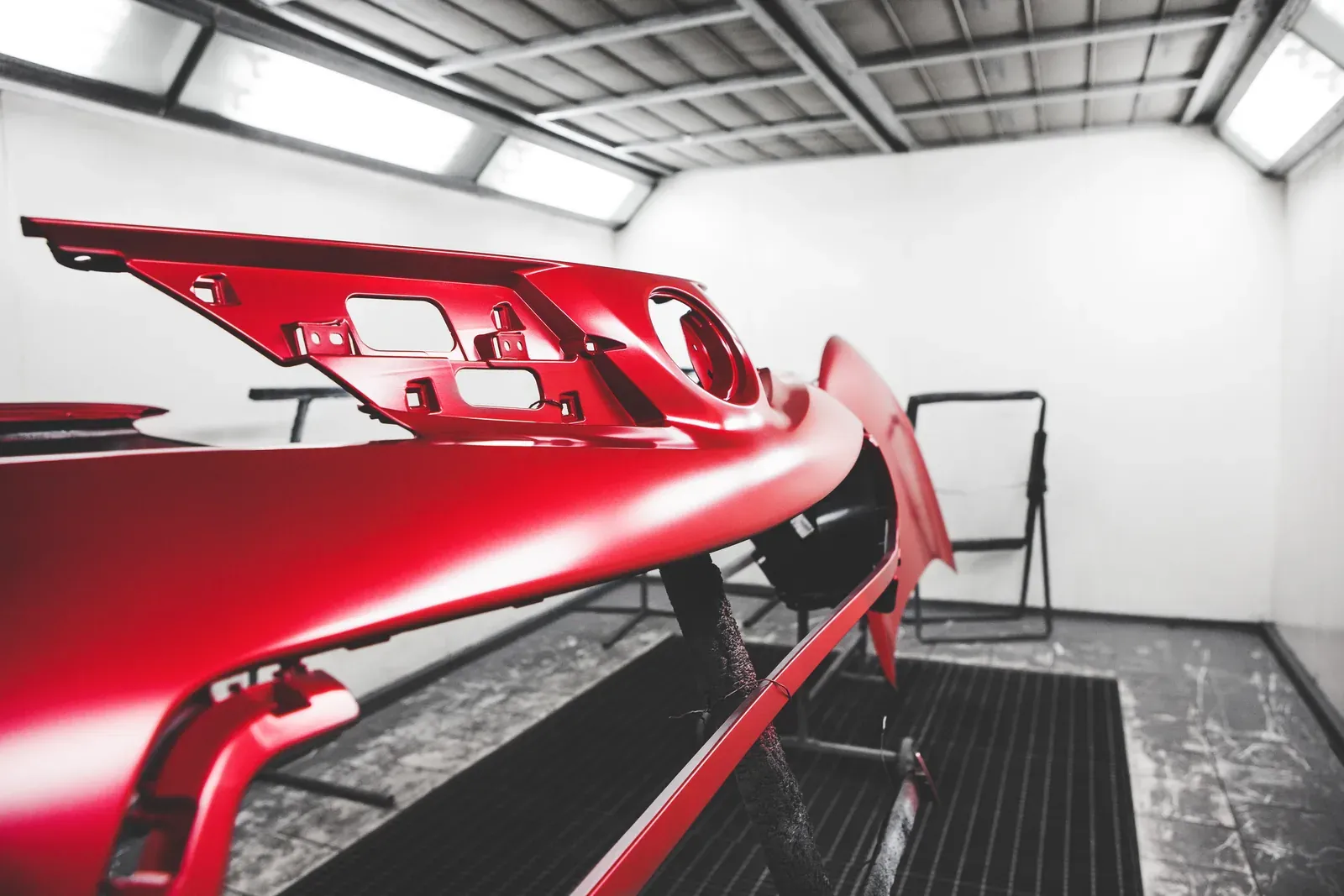
The chrome bar is long gone. On anything built in the last twenty years, the bumper is a system: a painted thermoplastic cover shaped for airflow and pedestrian safety, an energy-absorbing foam or honeycomb block behind it, a reinforcement beam bolted to the rails, and a set of plastic brackets and clips that hold the cover in line with the fenders and the hood. Increasingly there are also ultrasonic parking sensors, blind-spot radar behind the rear corners, a front radar behind the emblem and a camera in the tailgate trim.
That is why a bumper repair here begins with removing the cover, even for a scuff. The cover is designed to flex and spring back, so it can look almost fine while the absorber behind it is crushed or the beam has a kink. A crash sensor bracket that has moved a few millimetres can change how the airbags decide to fire. Ten minutes with the cover off answers all of that, and it is the difference between an estimate and a guess.
Cracked tabs weld back; a torn sensor mount does not
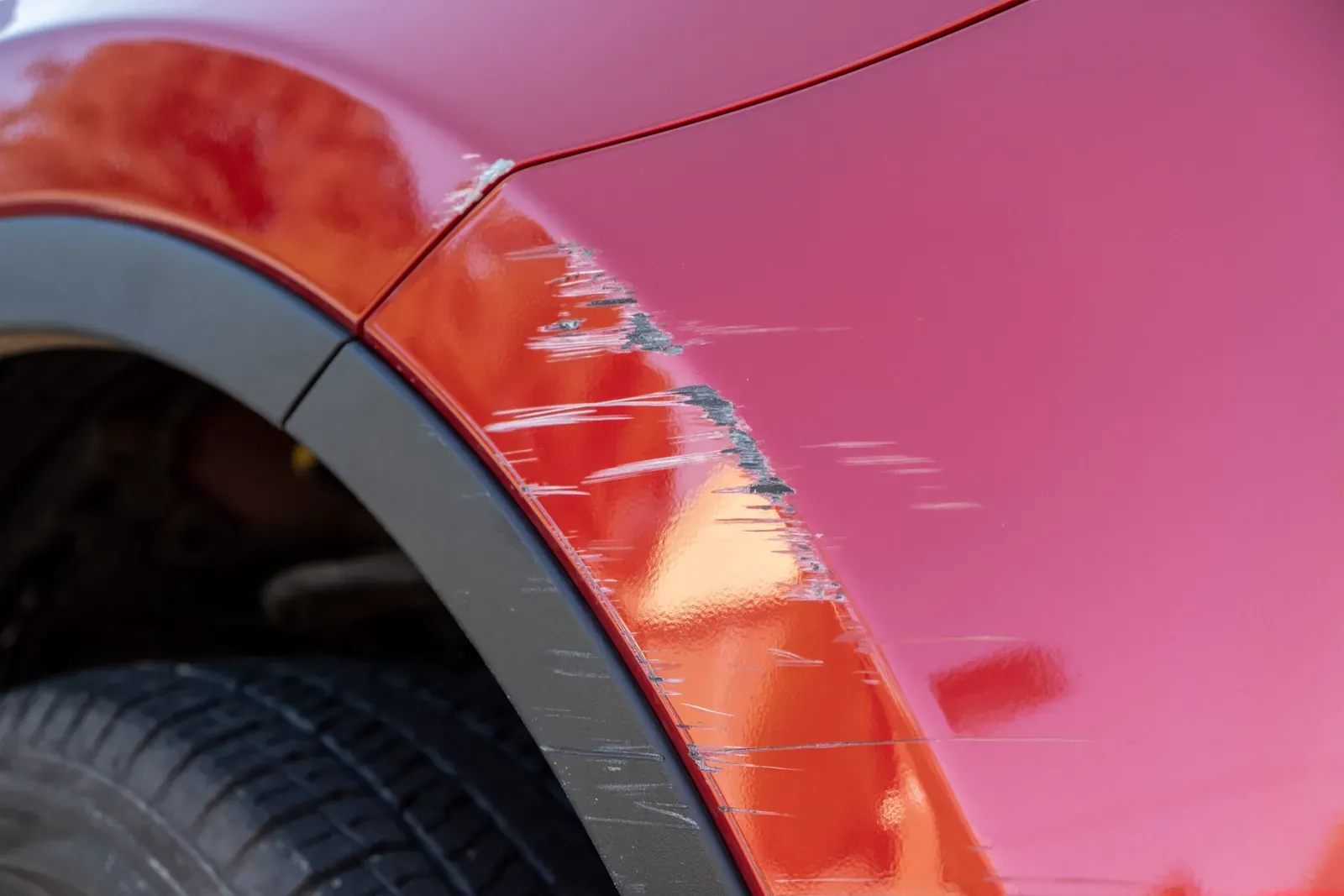
Plastic bumper covers repair well when the damage is a scuff, a gouge, a crack away from a mounting point, or a broken tab. The cover is removed, the crack is V-grooved and plastic-welded from behind with a rod of matching material, reinforced with mesh where it will flex, then ground, filled with a flexible filler and shaped back to the original contour. A broken tab is rebuilt the same way. The result is a cover that fits and flexes as it did.
Replacement is the right call when the cover is torn through several mounting points, deformed by heat, or cracked across a sensor hole where the tolerance matters. It is also often the right call on a very common model where a new cover is inexpensive relative to the welding hours. We put both options on the estimate when the case is close, and where the insurance company writes for an aftermarket cover, we tell you and explain what OEM would change.
Refinishing plastic so it matches steel
A bare or repaired cover goes through a different prep than a steel door. Plastic is cleaned to remove mould release and road film, scuffed, then coated with an adhesion promoter, because paint that skips this step peels off plastic in sheets after a winter. The colour is mixed with a flex additive so it can bend with the cover in the cold, and the base is blended into the adjacent fender or quarter panel so the transition from plastic to metal has no visible step in shade.
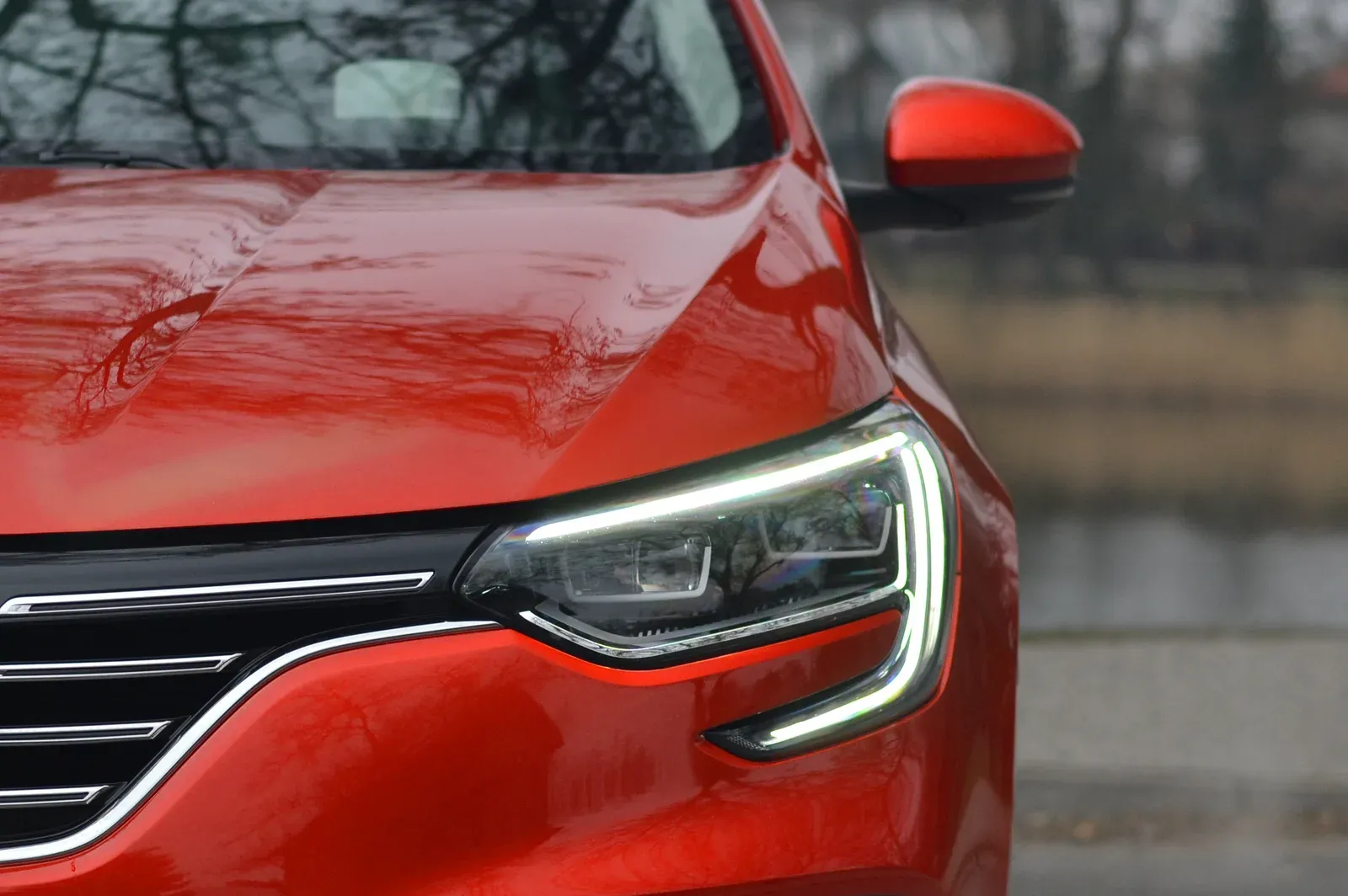
Colour matching a bumper against the body is harder than matching panel to panel, because plastic and steel reflect metallic flake slightly differently and the cover often sits at a different angle to the light. The spray-out card is held against the fender at the seam, not just against the old cover, and a lower-angle check catches the flop before the booth door closes. The finish carries the same lifetime warranty on paint and refinish as any other panel.
Sensors, cameras and driver aids after a bumper hit
Anything mounted in or behind a bumper can be knocked out of alignment by a hit the cover itself shrugged off. Rear parking sensors that read a phantom obstacle, blind-spot warnings that stop working on one side, adaptive cruise that drops out, a rear camera that is slightly rotated: all of these are common after a low-speed rear-end. The estimate lists every component in the damaged zone and notes which ones may require recalibration once the cover is refitted.
Recalibration itself depends on the manufacturer’s procedure. Some systems self-learn on a road drive, others need a target board and a scan tool, and some need a dealer-level tool. We say which applies to your car up front and arrange it as part of the repair rather than handing the car back with a warning light and a suggestion.
Bumper hits from the 401 to the parking garage
The shop sits off the 404 at Sheppard, one interchange up from the 401 and the DVP, and the bumper work that comes through is what those roads produce: stop-and-go rear-ends on the DVP where nobody was going fast but the cover cracked, and low-speed taps in the merge lanes onto the 404. Off the highways it is parking. Concrete pillars in condo garages, the high curbs at Fairview Mall, and a snow windrow at the end of a driveway that catches the lower lip in February.
Winter is hard on plastic. Cold makes covers brittle, so a scrape that would flex in July cracks in January, and salt gets into the crack and the mounting holes. A scuffed bumper usually takes a few working days to repair and refinish. A replacement cover with sensors and a recalibration often takes about a week, more if the cover is on back-order. You get the window at drop-off and an update if it moves.
Questions people ask
What tips the estimate from welding the cover to ordering a new one?
Repair usually costs less for a scuff, a gouge or a single crack away from the mounts. Replacement wins when the cover is badly torn, a new cover is inexpensive for that model, or sensor holes are involved. The estimate shows the factors so you can see which way it went.
Can I keep driving with a cracked bumper cover?
Often yes for a short time, as long as nothing is dragging, no lights are affected and the cover is secure. A loose cover can catch the wind on the 401 and tear off, so if it is flapping, tie it up or get it in sooner. Underlying damage to the absorber or beam is the real reason not to wait.
Will my parking sensors work after the repair?
They are tested after reassembly, and any that the manufacturer says need recalibration after bumper work are calibrated before you collect the car. Where a sensor was damaged rather than just disturbed, it is replaced as part of the estimate.
Does the insurance company pay for a new cover or a repair?
The adjuster writes for the most economical sound repair, which may be a repair, an aftermarket cover or an OEM cover depending on the damage and the model. You can ask for OEM and pay the difference if the insurance company writes for like-kind. We explain the choice before the parts are ordered.
Why does the bumper look a slightly different shade from the car on some repairs?
Because plastic and metal reflect differently and the cover was painted in isolation without a blend into the fender. We blend across the seam and check the match at a low angle against the body, which is what keeps the two reading as one colour.