Bumper season starts with the first plow
Riverdale streets are narrow and parked on both sides, so the plow leaves a windrow with nowhere to go except the driveway mouths. Pulling out of a mutual driveway on Bain over a frozen ridge lifts the front and drops the cover onto it, and cold plastic does not flex; it cracks. The same ridge sits at the laneway entrance behind Withrow, where a lip that was fine in September takes the lower valance off in January. Then March: the freeze-thaw opens potholes on Gerrard and Broadview, and a front cover that drops into one at speed comes back with the tabs torn and the fog lamp housing loose.
Summer is quieter but not empty. The angled row at the Bazaar end produces the reversing bump, and the visitor traffic around Riverdale Park produces the parallel-parking shove, where somebody used your rear cover as a stop. Those are low-speed and often just scuffs, until the cover comes off and the clips behind it turn out to be gone.
The DVP tap that looks like nothing
The most expensive bumper damage from this side of the valley happens at walking pace. The DVP below Bloor runs stop-and-go for hours, and a rear-end at 10 km/h leaves a cover that pops back into shape. Behind it the foam absorber is crushed, the reinforcement bar has a fold in it, and on anything built in the last decade the radar module or the parking sensors are no longer looking where they were aimed. A cover that looks fine is not evidence of anything.
That is why we pull the cover before the estimate is final. If the bar is bent it is replaced; if the absorber is crushed it is replaced; and if the car has adaptive cruise, blind-spot monitoring or rear cross-traffic alert, the repair may require recalibration of the sensors that live in and behind the cover. We tell you that on the estimate, not after the warning light comes on at Broadview and Danforth.
- Cover pulled, bar and absorber inspected
- Sensors and radar checked, recalibration flagged where required
- Reinforcement replaced, not straightened, where it has folded
What decides between saving the cover and ordering a new one
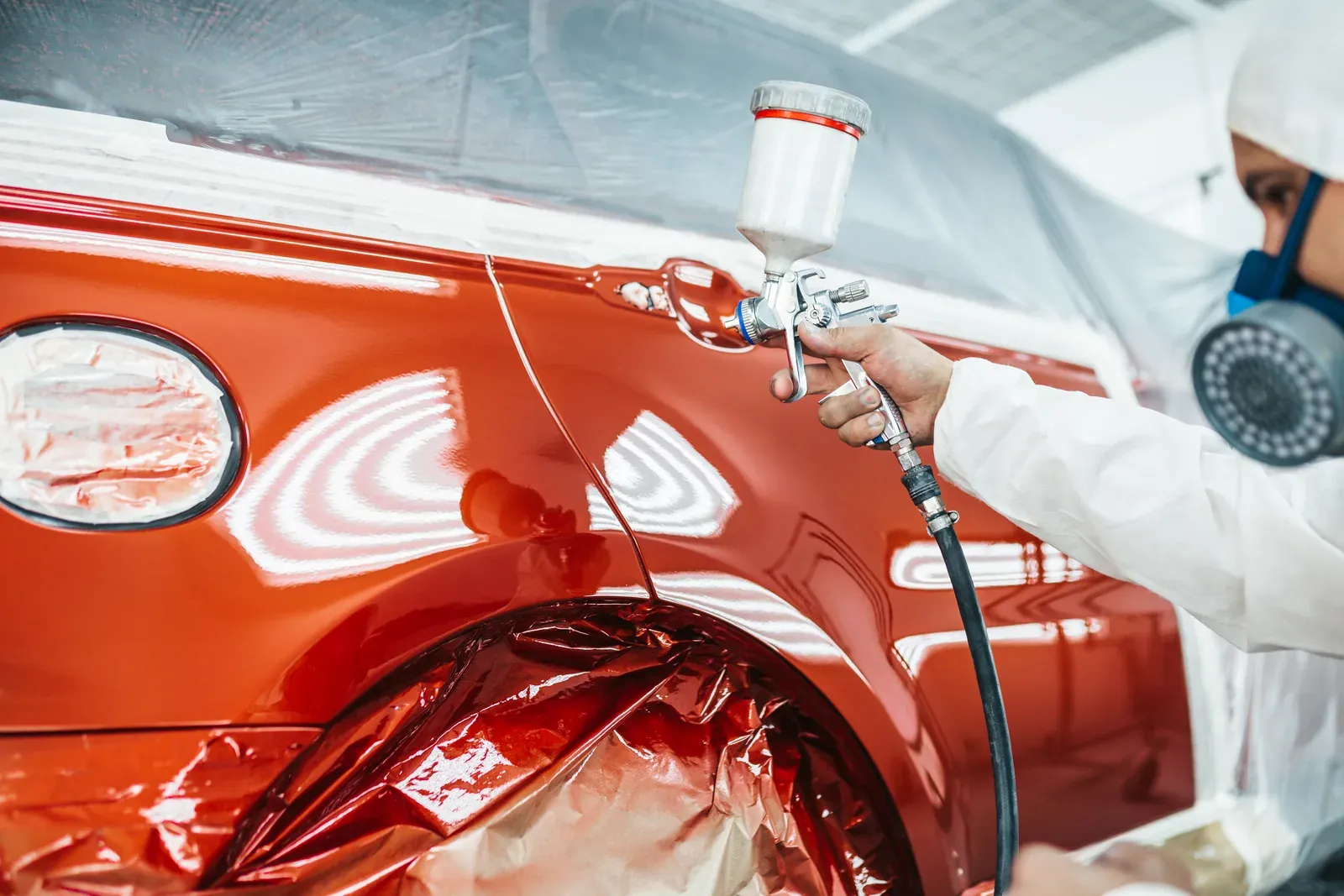
A modern cover is flexible plastic, and a surprising amount of damage is repairable: scuffs sanded and refinished, cracks welded from behind and reinforced, torn mounting tabs rebuilt. Replacement wins when the cover is shattered, when a crack crosses a sensor mount, or when earlier repairs have cost the plastic its shape. Either way the cover is painted complete, as a part; on a metallic or a pearl the neighbouring fender or quarter is often blended as well, so the plastic’s slightly different texture never reads as a colour step against the metal beside it. The refinish carries a lifetime warranty.
Insurance splits cleanly here. A rear-end is the other driver’s fault under the Fault Determination Rules, and your own insurance company pays under DCPD. A windrow or a pothole is a single-vehicle loss under your Collision coverage, and whether to claim it comes down to the estimate against your deductible — a number you can have in hand before the car goes anywhere.
Questions people ask
A car nudged me at walking pace on the DVP on-ramp and the cover popped back out. Is there anything to check?
Yes. The cover is designed to spring back; the foam absorber and the steel bar behind it are not, and a rear radar nudged a degree off its aim will misjudge distance without ever showing a warning light. Get the other driver’s details, send the photos, and let us pull the cover. If nothing behind it is bent, the visit is a short one.
The windrow at the mouth of our shared drive cracked the front valance. Is that worth a claim?
It is a single-vehicle collision loss on your own policy, and it counts against your record if you file it, so it depends on the estimate against your deductible. A cracked valance alone is often small enough to pay for yourself; a cracked cover with torn tabs and a damaged fog-lamp housing may not be. Send photos first and the estimate settles it.
Two tabs snapped and the cover sags at the wheel arch, but the plastic looks perfect. New cover?
Not necessarily. Mounting tabs can be rebuilt — plastic-welded with rod and backed with mesh — when the cover is otherwise sound, and a rebuilt tab holds like the original. It is a smaller job than a cover with paint and blend, and it keeps the factory fit. What we check first is why they snapped: a sagging corner sometimes means the bracket behind it took the hit, and a bracket is a part, not a repair.