Small repairs take days, corner hits take weeks, structural work takes longer
Once your car is actually in the shop, a scuffed or lightly cracked bumper cover with no parts on order usually goes through prep, paint and reassembly in about two to five working days. A single dented door or fender that can be repaired rather than replaced sits in the same band. Those jobs move quickly because there is little to wait on.
A corner hit is a different animal. When a bumper, headlight, fender and hood are all involved, the repair often runs one to two weeks, and much of that is sequencing rather than wrench time: the parts have to be here before the paint can be matched, the paint has to cure before the lights and sensors go back in, and the calibration usually comes last.
Structural repairs, where a rail or apron has to be pulled and measured, commonly take several weeks. Add a backordered part or a heavy supplement and it stretches further. We give you a written range at drop-off and update it when anything moves, because a date you can plan around is worth more than an optimistic one.
Parts arrival sets the pace before anyone touches the car
The most common reason a repair sits still is a part that has not arrived. Common bumper covers, headlights and mirrors for high-volume vehicles are usually at the Toronto-area warehouses and land in a day or two. Body panels for a newer model, or anything for a low-volume import, can be on backorder for weeks, and no shop can paint a fender that is still on a ship.
Our habit is to order everything the first estimate calls for as soon as the insurance company approves it, and to ask you to keep driving the car if it is safe while we wait. That way the shop days start when the parts are on the shelf, and your rental days are not burned waiting on a box.
Insurance approvals and supplements add days, not hours
On a claim, the repair cannot start until the insurance company has approved the estimate, and it cannot finish until any supplement has been approved as well. A responsive adjuster turns that around in a day or two; a busy one after a storm week can take longer, and the car waits on the hoist in the meantime.
Hidden damage found at teardown means new parts and a new approval cycle, which is why a job quoted at a week can become two. We photograph everything as it comes apart and send the supplement the same day it is written so that loop is as short as we can make it. What a supplement is and how it is handled is covered in its own answer.
Booth time and cure time are fixed costs that cannot be rushed
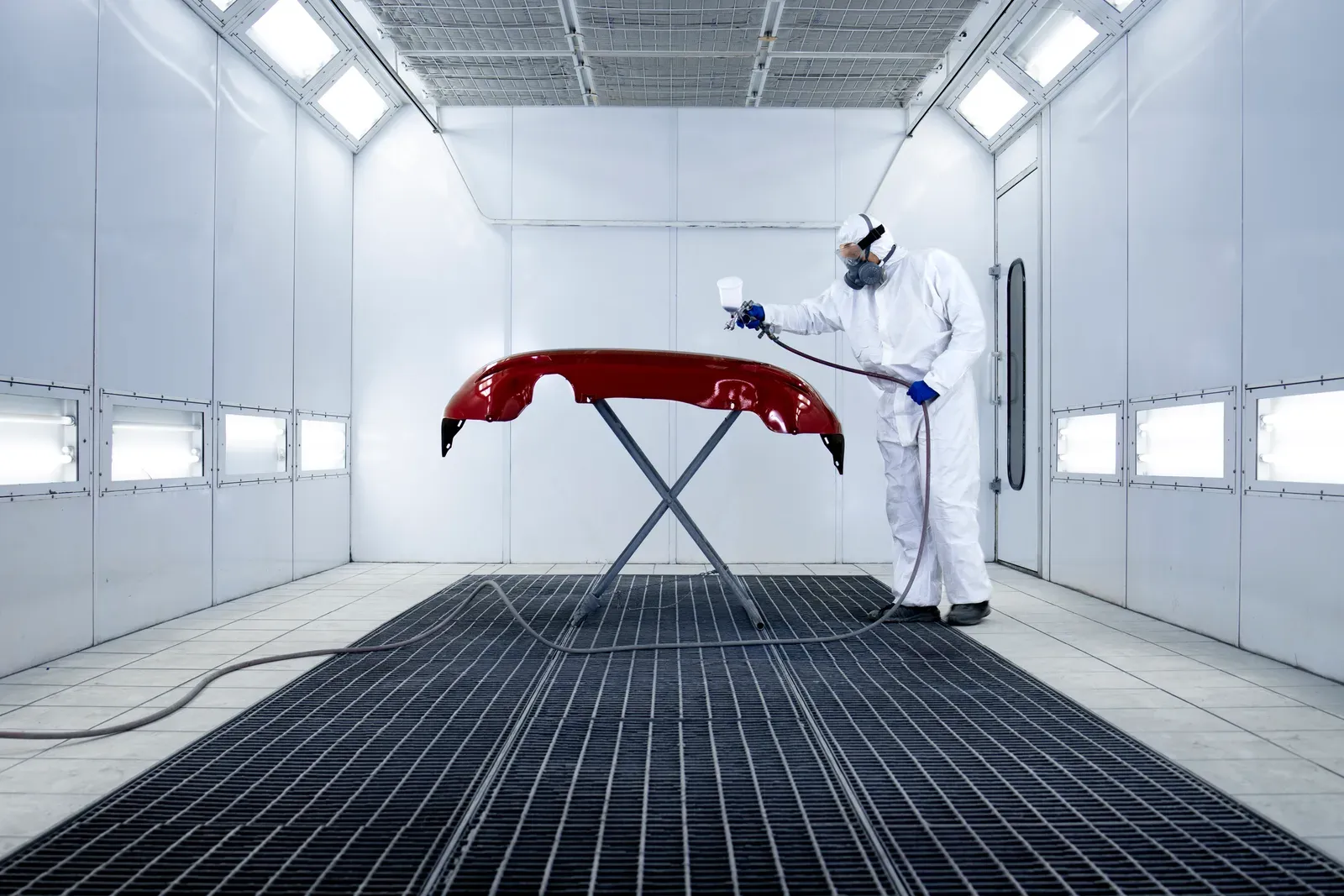
Paint is the one stage where speed is the enemy. Each colour coat and the clear need flash time between passes, the panel bakes in the booth, and the finish still needs hours before it can be handled and reassembled. A booth is also a shared resource, so a job that is ready to paint on Thursday afternoon may not go in until the next slot opens.
After paint, the reassembly and any recalibration follow, and then a road test and a final inspection. On a bumper with sensors the calibration is often a sublet to a specialist, which adds a day. In winter, cold delivery trucks, salt-caked cars that have to be washed before anything is measured, and higher volume all slow the same steps down, which we explain in the winter timelines guide.
What you can do to keep the clock short
Most of the waiting on a collision repair happens before the car arrives, which means the driver has more control over the timeline than it feels like. Send the damage photos the day of the collision rather than the week after, because our estimator can only write the estimate once the pictures arrive, and the parts order follows the approval of that sheet. Give us the claim number as soon as the insurance company issues it, and tell the adjuster our name in the same call so the file is not waiting for a shop to be named. If you are paying yourself, approve the estimate in writing the day you receive it; the parts go on order that afternoon.
On the day itself, a car that arrives washed in winter is measured the same morning instead of thawing on the hoist first, and a car dropped off with the rental already booked through your coverage means you are not on the phone in our lot. Ask for the written range at drop-off and the name of the next milestone, whether that is paint, calibration or reassembly, so a progress call answers a specific question rather than a vague one.
Questions people ask
Can I speed things up by bringing the car in right away?
Usually not. If the car is safe to drive, it is better to hold it until the parts and approval are in place; a car sitting in the lot waiting for a fender is not being repaired any faster than one in your driveway.
Why does my friend’s repair seem faster at a chain?
Volume shops sometimes skip blending or use pre-painted aftermarket panels to save booth time. Faster is not a problem in itself, but ask what was left out to get there.
Does the rental cover the whole repair?
When you are not at fault or carry loss-of-use coverage, the rental generally runs for the reasonable repair time including parts delays, and we keep the insurance company updated so it is extended when a supplement adds days.
What if I need the car back for a specific date?
Tell us at drop-off. Sometimes a repair can be staged so the car is drivable and safe for a trip, with the final paint or trim done afterward.