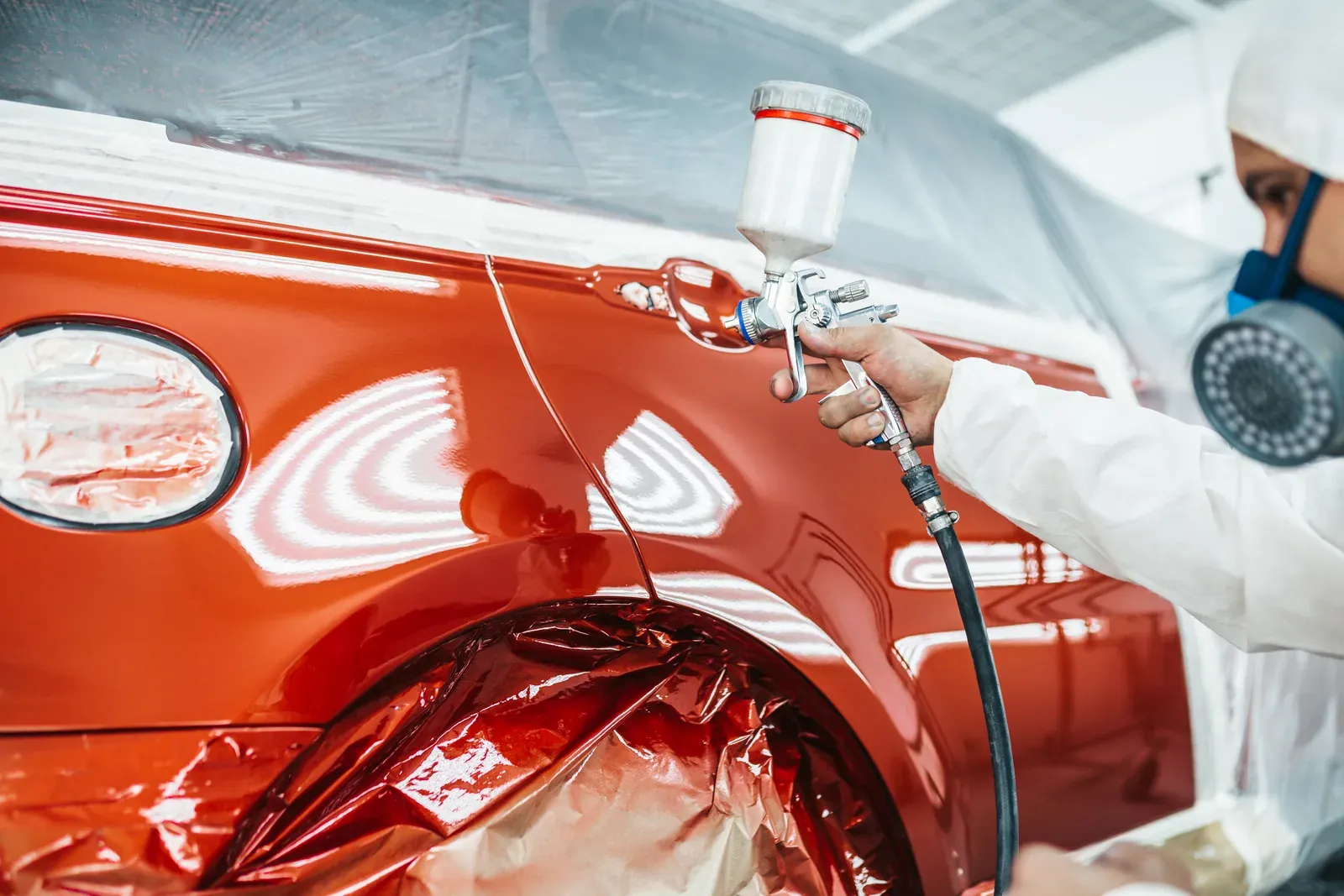
A bumper that has to be back on shift
Downtown is where the working cars live. Uber and Lyft drivers running the Union Station and Financial District loops, car-share cars parked on every third block, couriers doing the condo circuit — and for all of them a bumper is not cosmetic. A cracked cover flagged at a car-share check-out becomes a damage claim on your membership. A cover hanging loose on a rideshare car fails the vehicle inspection. A week off the road is a week of income gone. So we handle downtown bumper files differently: parts ordered off the photos before the car arrives, the bay and the booth booked as one block, and a start-to-finish range you can schedule shifts around.
The same logic helps the condo resident who only drives on weekends: the car goes up the DVP on a Saturday morning with the rental waiting at drop-off, and the number of trips is one.
Lips, pillars, taps, and curbs
Front covers in the core are broken by ramps. A condo garage ramp at CityPlace or in Liberty Village changes grade at the bottom, and a low front lip scrapes the transition on the way in and catches it on the way out; do that for a year and the lower cover cracks along the scrape. Rear covers are broken by parallel parking on Queen and by the DVP: the 10 km/h tap in stop-and-go near Bloor that scuffs the paint, crushes the foam absorber behind the cover, and knocks a parking sensor or the rear radar off its aim without leaving a mark you would notice.
Corners are broken by curbs — the King Street stop platforms, the tight right off Spadina onto Lake Shore, the edge of the Queens Quay streetcar right-of-way. A corner scuff is usually repairable. A corner with the mounting tabs torn off, or a tear across the sensor housing, usually is not, because a cover that will not hold its alignment is not a repair.
- Plastic repair and refinish where the cover is sound
- Replacement where tabs or sensor housings are torn
- Absorber, reinforcement bar, and brackets inspected behind every cover
- Parking sensors and radar recalibrated where the vehicle requires it
Behind the cover: sensors, and what the estimate waits for
A modern bumper is an electronics housing. Parking sensors, blind-spot radar, and a front camera live in or behind the cover, and after a cover replacement or a hit hard enough to shift a bracket, the car may require recalibration so those systems see the road the way the manufacturer intended. We say may, not will — it depends on the vehicle and what moved — and we tell you before the work whether yours needs it. That is one reason a photo estimate on a bumper is a starting number: the firm number follows once the cover is off and the absorber and brackets have been seen.
If the bumper is dragging, do not drive it up the DVP — call instead and we help arrange the tow. A drivable car makes the trip once, about 20 to 35 minutes, on a booked date. Claim or cash is your call, made with the written estimate beside your deductible; if another driver caused it, DCPD puts the repair with your own insurance company and the owner runs that file.
Questions people ask
The car-share company says I returned the car with a cracked bumper. What do I do?
Get the operator’s damage report and its photos, and compare them with the check-out photos you took. If the damage is yours, ask whether the operator repairs through its own process or lets you bring an estimate. We can write one from photos the same business day so you have a real number before you agree to anything.
My rear sensors started beeping at nothing after a tap on the DVP. Is that the bumper?
Very likely. A low-speed rear hit crushes the absorber and shifts the sensor brackets behind an intact-looking cover, and sensors a few millimetres off their aim report ghosts. The fix is the hidden damage plus recalibration where the vehicle requires it — not just a repainted cover.
I drive for Lyft. How long is my car off the road for a bumper?
Tell us it is a working car and we order the cover and clips before you arrive, then run the repair, refinish, and cure as one block. A cover-only job is usually a matter of days; a job with an absorber, a bracket, and recalibration is longer, and you get the range before you drop off.