The bumper decision: repair, replace, claim or cash
A bumper is the repair people most often pay for themselves, and the one where the numbers turn on details the eye cannot see. A cover scuffed on a Queensway curb is a refinish. One with a crack through it can be plastic-welded and refinished if the crack is short and away from a mounting point; a shattered corner, broken tabs or a cover full of sensor holes tips toward replacement. Behind the cover sit the absorber and the reinforcement bar, and on a rear-end hit in the 427 collector lanes those are the parts that decide whether a cash job is realistic. If you were hit and were not at fault, DCPD means your own insurance company pays; a bump in a Sherway lot with fault split under the Fault Determination Rules is a collision claim with your deductible; a bumper you cracked yourself on a garage ramp is a choice between a claim and paying directly. Our estimator writes the estimate to show both.
If the whole job sits near the deductible, we say so plainly rather than let a claim run for the sake of it.
Where Etobicoke bumpers get hit
The 427 is the province’s best rear-bumper generator. Where it meets the 401 the traffic goes from 100 km/h to zero within a kilometre, and the taps that follow are low-speed, mostly cosmetic and never quite as simple as they look. Dixon Road feeds the same mix with airport traffic checking phones for a terminal. Off the highway the pattern is parking: Sherway Gardens angled stalls, reversing sensors misjudged at The East Mall, a hitch on the SUV in front at Centennial Park, and the tight garage ramps under Islington City Centre, where a front lip meets a concrete curb every time a driver takes the corner short. In winter the windrow at the end of a Kingsway driveway peels a bumper corner off its clips, and in spring the potholes on Kipling and Islington bounce low front covers into the road.
Plastic, paint and the sensors behind it
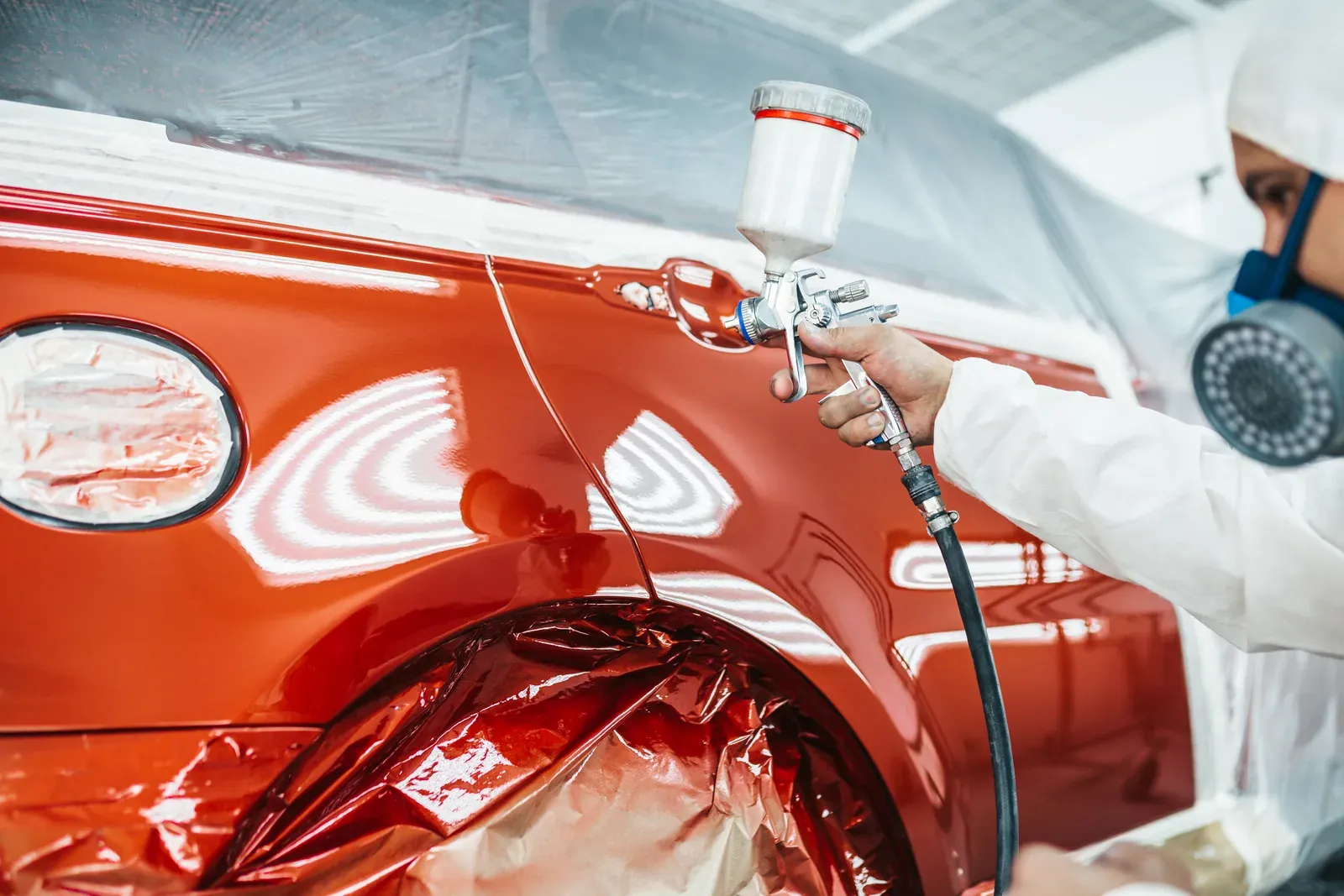
A cover that can be saved is cut back to sound plastic, welded from behind and reinforced, then the face is rebuilt, sanded to the original texture, primed with a flexible primer and painted to the matched code. Colour is blended into the fenders or quarters so the bumper does not read as a new part. A replacement cover is fitted, gapped and painted the same way. Many Etobicoke cars now carry parking sensors, blind-spot radar or a rear camera in or near the bumper, and after any of them is removed or replaced, recalibration may be required before the driver aids behave; we arrange that and note it on the invoice. Where a radar sits behind the cover we prefer the OEM part, because thickness and paint affect what the radar sees.
- Plastic welding and texture rebuild on covers that can be saved
- Flexible primer and blended colour so the bumper matches the body
- Absorber and reinforcement inspected behind every hit
- Sensor and camera recalibration arranged where the car needs it
Questions people ask
My car has adaptive cruise and lane keeping. Does a bumper respray affect them?
It can. The radar for adaptive cruise usually sits behind the cover or the badge, and the material in front of a radar is controlled — which is why we follow the manufacturer’s notes on where filler and extra paint must not go, and prefer the OEM cover when a radar hides behind it. After the work, recalibration may be required, and the invoice records whether it was done.
The crack from the Sherway curb runs into the wheel-arch edge of the cover. Does that change anything?
It does — that is a poor place for a repair. A short crack in open plastic welds well and disappears under paint, but the arch edge flexes every time the suspension loads, so a weld there tends to reopen; a crack reaching a mounting tab or a sensor hole behaves the same way. Expect the estimate to price a replacement cover, painted and blended, over a weld that would not last the winter. Two photos, straight on and from behind the corner, settle it.
Can I keep driving on the 401 with the bumper hanging on one side?
Not far. A cover held by one clip can catch the wind at highway speed, drop onto the road, or pull the wiring for a sensor with it. Tie it up for the trip to Sheppard and Don Mills, or leave it where it is and we coordinate a tow if the car should not be on the highway.