The hour after the storm
Lift, do not drag. A limb across a roof is heavy and covered in broken stubs, and pulling it sideways off the vehicle rakes every one of those stubs through the paint — a car that had four dents and a cracked windshield now has a roof, a hood and two doors full of scratches. Get help, lift it clear, and set it down away from the car.
Before that, take photos with the branch still resting where it landed. A wide frame showing the tree, the vehicle and the street, then closer frames of where the weight came down. Those images do more for a claim than any description, and once the branch has been moved you cannot recreate them.
Then check three things in order: glass in the cabin and on the seats, whether water is getting in through a cracked sunroof or a broken window, and whether anything blocks your view or your ability to steer. A roof pushed down toward the headliner, a windshield cracked across the driver’s line of sight, or a shattered rear window all mean the car should move on a truck rather than under its own power. We help arrange the tow — we coordinate it, we are not a tow company — and in Ontario you choose where your vehicle goes.
What a limb does that hail does not
Hail is a hundred small impacts and no scratches. A branch is one heavy impact plus a lot of dragging, and the two damage types stack on top of each other. Underneath, the roof panel is dented over its bracing; on top, the clear coat is cut in a dozen directions by bark and small twigs. Sap gets pressed into the finish and hardens, which becomes its own removal job.
Roofs are where this gets expensive, because a roof is a large, thin, curved panel welded and bonded to the pillars and stiffened by cross braces. A dent between two braces can be pushed out. A dent that has folded the metal over a brace, or bent a roof rail, usually cannot — that means a roof skin replacement, and if there is a sunroof, an antenna module or roof-mounted sensors, all of it comes into the job.
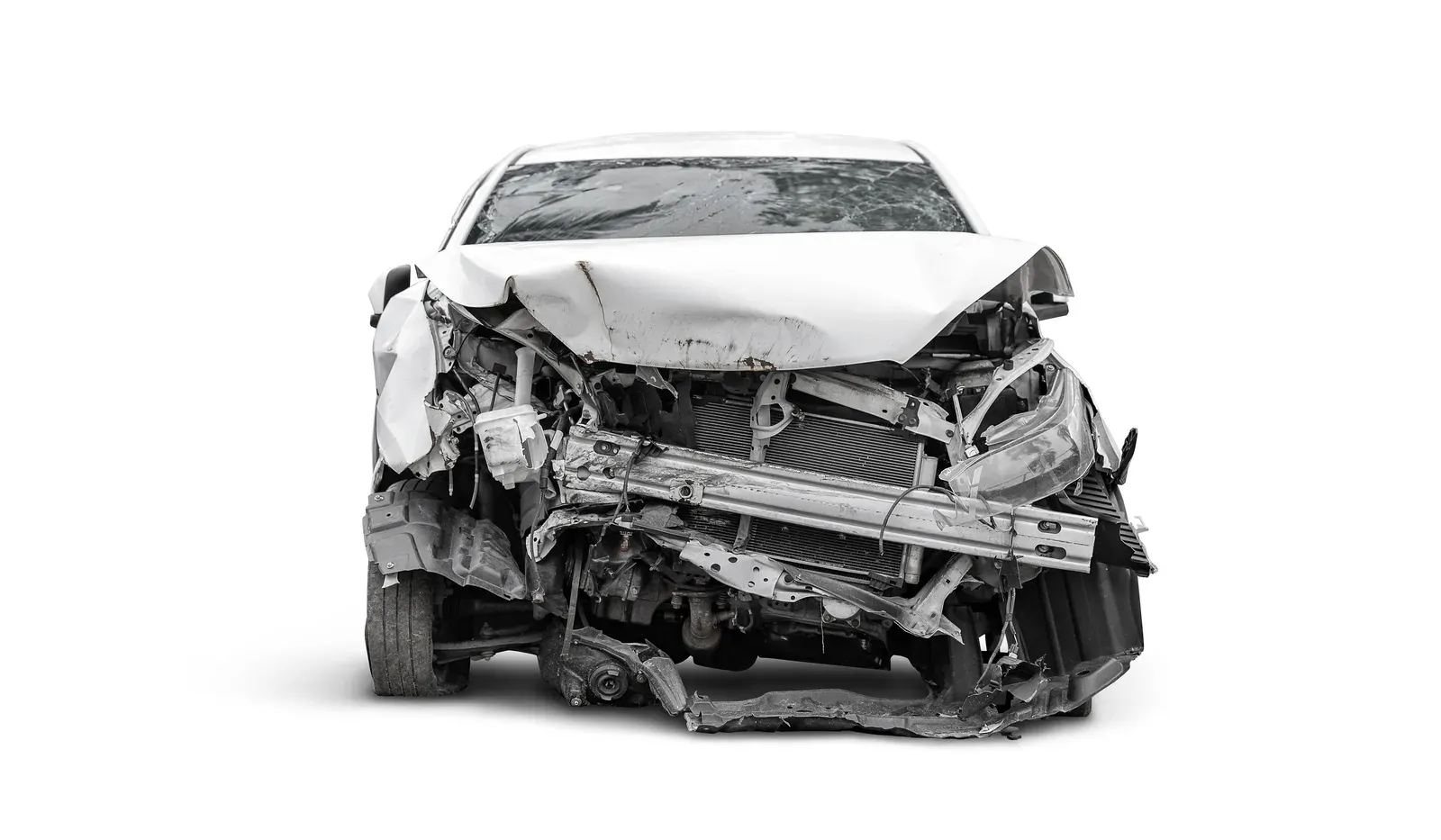
The rest of the list is predictable: a cracked windshield, a broken mirror, a bent wiper arm, a caved section of hood where the heaviest part landed, torn weatherstripping and snapped trim clips where the limb slid off the side. On the ice-storm nights that bring silver maples down along the Leaside side streets and the older blocks in Rosedale, it is normal for one vehicle to have all of that at once.
Glass first, then metal, then paint
Order of operations matters on storm damage. Glass and any opening letting water in gets dealt with first, even before the estimate is approved, because a wet interior turns into mould and corroded connectors while everyone waits on paperwork. If the car needs sealing to sit safely, we seal it.
Then the metal. Where the paint survived, dents come out paintlessly and the original finish stays put. Where it did not, panels are straightened or replaced and then refinished. A roof refinish is one of the harder jobs in this trade because the panel is enormous, it is horizontal, and it sits against two quarter panels and a windshield frame that all have to agree with it, so the blend is done carefully and the whole surface is polished back afterwards.
Finally the water test. Once the glass is set and the panels are sealed, the vehicle is sprayed down and checked for leaks around the sunroof drains, the windshield perimeter and the roof rail joints, because a storm repair that looks perfect and leaks in the first spring rain has not actually been finished.
Comprehensive, the deductible, and the tree’s owner
Falling objects are comprehensive damage. That covers branches, whole trees, ice off an overpass and anything that comes off a truck ahead of you. No fault attaches to you, and your comprehensive deductible is what you pay. Report it promptly — your policy expects notice quickly, and storm claims are easiest to place while the weather event is fresh.
The question everyone asks is whether the tree’s owner should be paying. A property owner is responsible for a tree they knew, or ought to have known, was dangerous — a dead limb reported months earlier, for instance. A healthy tree brought down by a genuine storm is generally nobody’s fault, and the city takes the same position about street trees. Ontario gives you two years to bring a property-damage claim against someone else, so there is time to ask, but do not hold up your own repair waiting for that answer.
If the roof is replaced or the vehicle needs significant structural work, ask your insurance company where the repair sits against the car’s actual cash value. There is no fixed threshold in Ontario that makes a vehicle a total loss; it is repair cost weighed against value and salvage, and on an older car with a crushed roof that conversation can start early. We will tell you what we find once the headliner and trim come out.
Questions people ask
Is it safe to drive with a dented roof?
It depends what moved. A shallow dent in the middle of a roof skin is cosmetic. A roof pushed down onto the headliner, a buckled pillar, or glass cracked in your line of sight are all reasons to have it towed instead. If you are unsure, send photos before you get in and we will tell you.
The city owns the tree. Do I claim against the city?
You can try, and the test is whether the tree was known to be hazardous rather than simply that it fell. Most drivers claim through their own comprehensive coverage because it is faster and certain, and let the insurance company pursue anyone else if there is a case worth pursuing.
Will sap and bark scratches polish out?
Hardened sap comes off with the right solvent and careful work. The fine scratches under it often polish out when they sit in the clear coat only. Deeper drag marks from a broken stub will not, and those areas get refinished along with the rest of the panel.
Do I need the branch removed before you can estimate?
No. Send the photos as they are, branch included — the damage pattern reads clearly enough from them to open the file. If the vehicle is not drivable, tell us where it is sitting and we will help coordinate a tow to the shop at Sheppard and Don Mills.