The Millwood funnel and the bridge
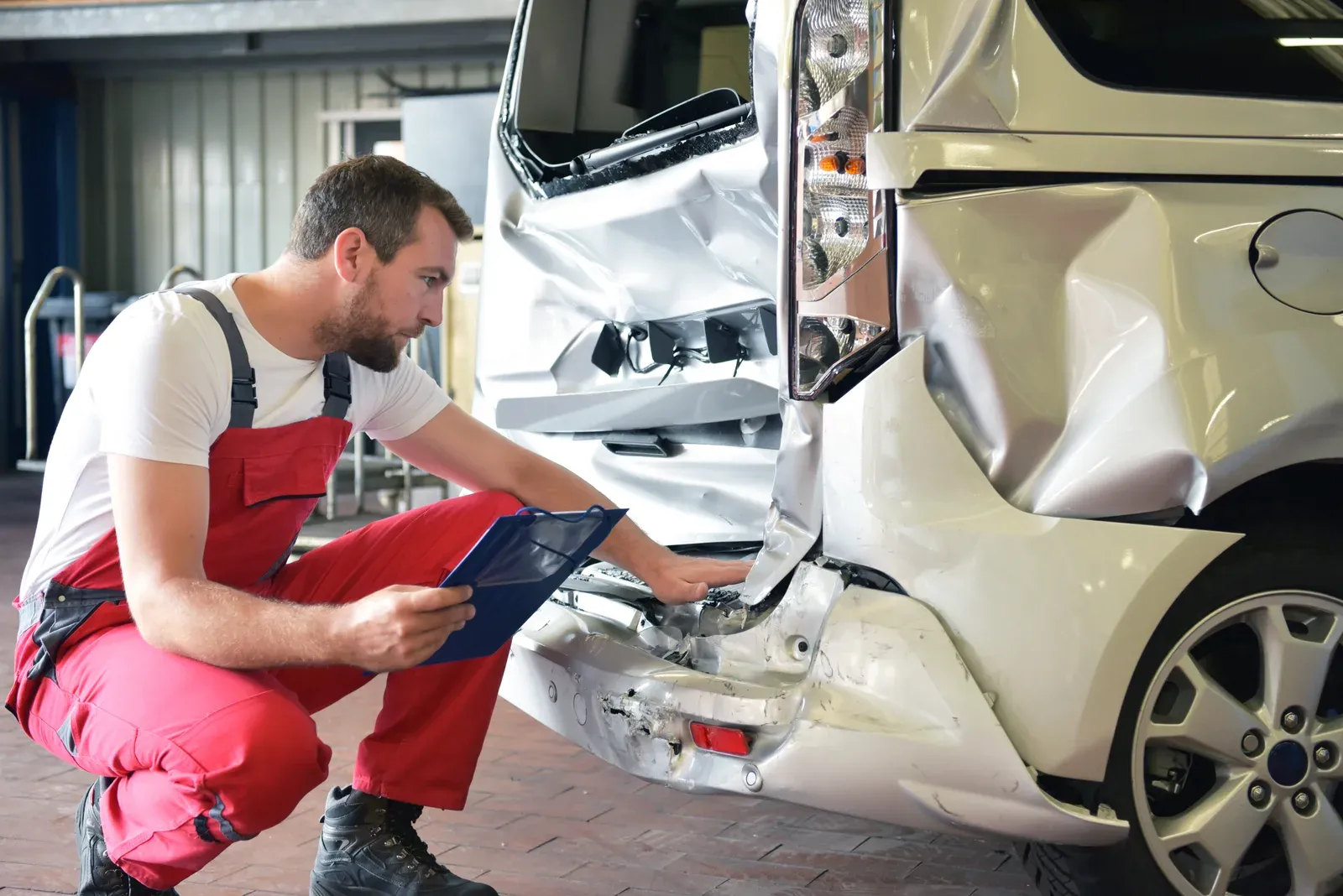
A big share of Leaside’s morning traffic leaves the same way: down Millwood or McRae, over the Leaside Bridge, onto Overlea and on toward Don Mills and the DVP ramps. It is a funnel with a long approach onto the bridge deck, and when the car ahead stops for the Overlea signal while the driver behind is looking at the valley, the result is the classic commuter rear-end — cover pushed in, trunk floor rippled, tailgate no longer sitting flush. The afternoon version happens in reverse, queued along Overlea waiting to get back over the bridge.
The other steady source is Eglinton at Laird and at Bayview, where the reshaped lanes around the Crosstown stations put drivers closer side by side than they used to be. Left turns into the Laird lots against eastbound traffic, and the merge where a lane drops near the Leslie corner, produce the front-corner and side hits: fender pushed into the door, headlight housing cracked, sometimes a wheel knocked out of line. None of it is highway speed. It is still enough to hide damage behind panels that look almost fine.
On the SUVs Leaside drives, the tailgate hit is mostly electronics and alignment
The low-speed rear-end at the Overlea signal does its real damage to things that are not painted. On the crossovers that fill Leaside driveways, the liftgate carries the rear camera, the bumper corners hold the blind-spot radar and the parking sensors, and the hatch has to close against its seals within a few millimetres of where the factory set it. A tap that leaves the cover barely scuffed can still shift a radar bracket, crack a sensor ring and rack the liftgate enough that it thumps shut instead of clicking. The estimate from your photos is the starting point; the teardown is where the real list gets written, and anything found behind the cover goes to your insurance company as a supplement, with pictures, before work continues.
The trunk floor deserves its own paragraph, because so many of these cars are leased. A ripple in the spare-wheel well means the absorber bottomed out and the rear body panel moved — and a lease-return inspector with a flashlight will find it long after the bumper looks perfect. Repaired properly, with the panel measured, the metal pulled or replaced and the seam sealer put back the way the factory applied it, it reads as a documented repair rather than a hidden one. Cameras and radar may require recalibration once the structure is back where the manufacturer expects it, and that is verified on the car rather than assumed. The paint and refinish carry a lifetime warranty in writing.
Ontario’s claim rules, run from our counter
The insurance part fits in one sentence: when another driver hit you on the bridge approach or at Laird and Eglinton, your own insurance company pays your not-at-fault share under DCPD, with fault set by the Fault Determination Rules — unless you removed DCPD with an OPCF 49 endorsement, which strips Collision and All Perils with it and leaves the damage on you from every direction. Anyone hurt means 911 from the scene. Nobody hurt, but damage likely to pass the provincial reporting threshold, means a prompt trip to a Collision Reporting Centre — the North York centre is the near one for Leaside — and your insurance company should hear about the collision promptly either way.
The useful thing about a Leaside collision is that nothing after it requires a highway. A car that drives a little oddly — steering wheel off-centre, a new noise over bumps — can come up Leslie at city speeds instead of merging onto the DVP, and a car that should not be driven at all is towed; tell the operator the destination is Sheppard and Don Mills, beside Fairview Mall. Dropping off without a second driver is simple too: Line 4 from Don Mills station or the Don Mills bus runs you back toward Eglinton. Our estimator sends the adjuster the estimate and the teardown photos and asks for OEM parts wherever the repair touches safety hardware; the adjuster may name a preferred shop, but in Ontario the choice of shop stays yours.
- DCPD claim opened and supplements documented from our side
- OEM parts requested wherever the repair touches safety hardware
- North York Collision Reporting Centre is the nearest one to Leaside
- Tow coordinated when the car should not make the drive
Questions people ask
I was rear-ended on the Leaside Bridge approach and the car still drives. Do I still need to report it?
Report it to the nearest Collision Reporting Centre if the combined damage on both cars looks like it will pass the provincial reporting threshold — a bridge-speed rear-end on a newer car often does once the hidden parts are counted. Anyone hurt is a 911 call from the bridge instead. Either way, photograph both cars before you leave the bridge, exchange details, and notify your insurance company promptly. Send us the same photos and the estimate is written before you drive up.
The other driver’s insurance company called and offered to handle my repair. Should I let them?
In Ontario you do not need them. Under DCPD your own insurance company pays for not-at-fault damage, and you choose the shop regardless of which company is on the phone. Take their claim number, give it to your own company, and let us open the file from our counter. Their preferred-shop suggestion is a suggestion, nothing more.
I was turning left into the Laird SmartCentre lot and an oncoming car hit me. Is the fault automatically mine?
Not automatically, but Ontario’s Fault Determination Rules put most of the responsibility on the turning vehicle in a left-turn-across-traffic collision, and the companies apply those rules rather than re-argue each case. Your own insurance company still pays your repair under DCPD for whatever share you are found not at fault. Photograph both cars where they stopped if you safely can — the estimate does not depend on fault, and the repair starts either way.