Leave the key out of the ignition, even if the water has gone
The most expensive mistake after a garage flood is turning the key to see if it still runs. If water got into the air intake, the engine can try to compress it on the first turn and bend internal parts. On any modern car, water in connectors and control modules can short when the system wakes up. Pressing the start button to roll a window up counts as waking it up.
If the car is a hybrid or an EV, treat it with more caution. Do not plug it in, do not try to start it, and tell the building and the tow operator what kind of car it is before anyone moves it. A battery pack that has sat in water should be looked at by people trained for high-voltage systems, and it should be parked outdoors and away from other cars until it has been.
While you wait, gather evidence. Photograph the stain line on the outside of the car and on the concrete pillar beside it, then open a door and photograph the carpet, the seat bases and the dashboard. The height the water reached decides most of what happens next, and it is easier to see in the first day than after the carpet has dried. Take out personal items and papers, and leave the windows and doors shut unless the building tells you to air the garage.
Getting a car out of a P3 that the building has closed
After a flood the garage belongs to the condo corporation or the landlord for a while. They have to pump it out, get the power and the ventilation fans checked, and confirm that the ramp and the gate work before anyone drives in. Ask the property manager when tow trucks will be allowed in and whether there is a set order for removing cars, because in a big building dozens of owners will be calling at once.
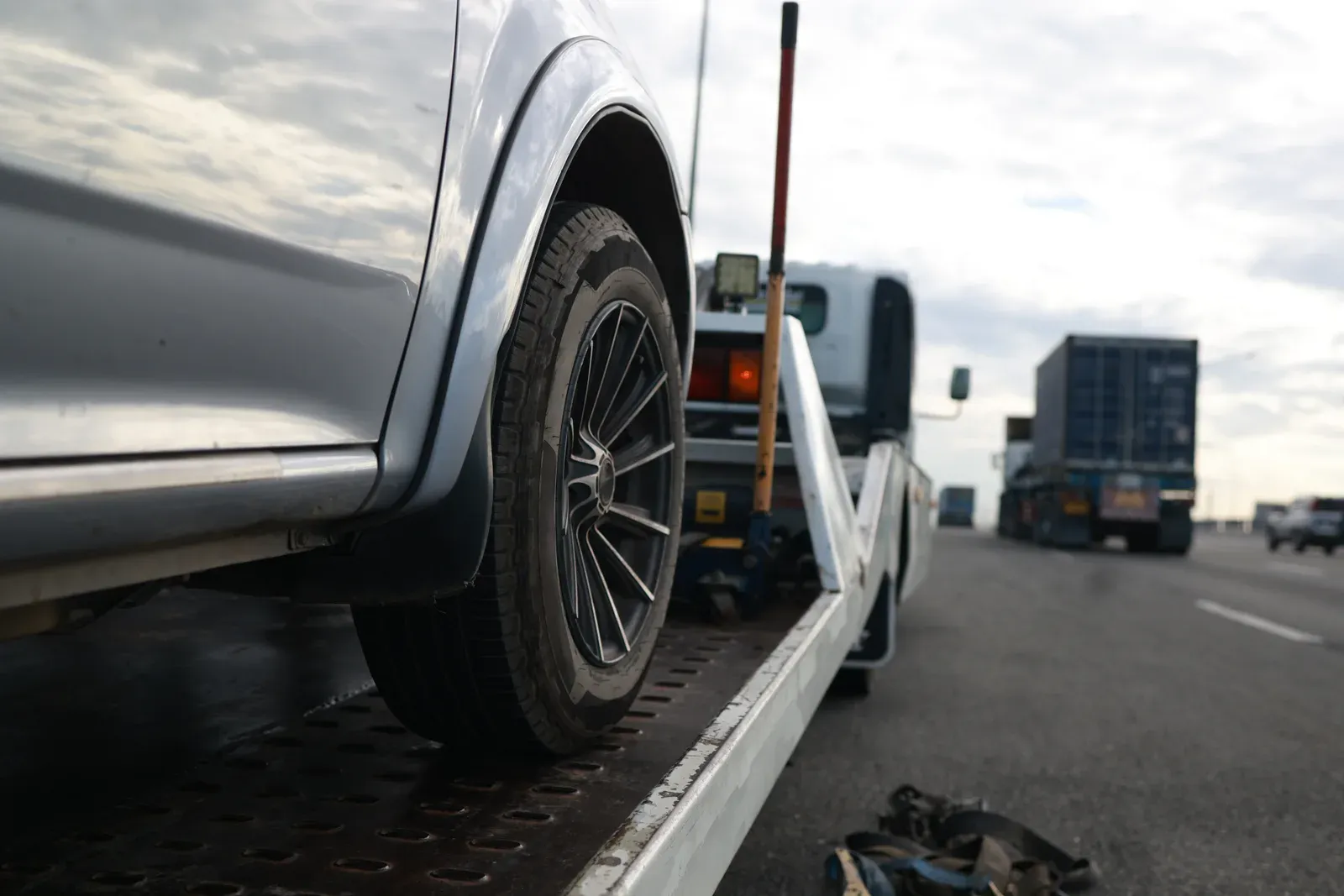
Many underground garages are too low for a standard flatbed. A tow operator may have to winch the car to the ramp with a low-clearance wheel-lift unit and then transfer it to a flatbed on the street. Tell the dispatcher the clearance height posted at the garage entrance and which level the car is on. A car with dead electronics may also be stuck in Park, which changes the equipment the operator brings.
You choose where the car goes. We can help arrange the tow to us, and the insurance company’s appraiser can then look the car over at our shop rather than in a storage yard. Ask for an itemized invoice from the tow operator, and do not let the car sit in a storage yard longer than it needs to, because daily storage charges keep adding up while the claim is open.
Flood damage is a comprehensive claim, and the condo policy covers the building
Rising water is covered under comprehensive in Ontario, or under specified perils or all perils, depending on how your policy is written. Collision coverage plays no part, no fault is assigned, and the deductible that applies is the comprehensive one. If you carry only the mandatory coverage, with no comprehensive, there is no coverage for the car itself. Call your insurance company as soon as you can. After a storm that floods many garages at once, expect the adjuster’s call-back to take longer than usual.
The condo corporation’s insurance covers the common elements, the building, rather than the cars parked in it. Owners often ask whether the corporation is responsible because a sump pump failed or a drain was blocked. That can be a real question if there was a known problem that was not fixed, but it is a slow one, and it is usually better to claim on your own coverage and let your insurance company decide whether to pursue the building. Renters are in the same position with their landlord.
Things inside the car, such as a laptop, a stroller or tools, usually fall to your home or tenant insurance, not the auto policy. If you have OPCF 20, transportation replacement can pay for a rental while the comprehensive claim is open, within its limits. Ask the adjuster on the first call.
Why so many flood cars end up written off
Body damage from a flood is usually minor. The cost is in everything water touches: carpets and padding that hold dirty water against the floor pan, seat motors and heaters, airbag and seatbelt sensors under the seats, wiring harnesses, and control modules mounted low in the cabin or the trunk. Storm water in a garage also carries silt, oil and road salt, which keep corroding contacts for months after the car seems to have dried out.
Water that stayed below the door sills and drained quickly can mean drying, new carpet and a careful electrical check. Once water has climbed to the seat cushions or the dash, the bill for carpets, modules and harnesses often outruns what the car is worth. There is no set percentage in Ontario that triggers a write-off; the adjuster weighs the estimate against the car’s actual cash value plus what the wreck would fetch at salvage, and flooded cars tend to lose that contest.
If the car is written off, it may be branded salvage or irreparable, and that stays with the vehicle. If it is repaired, keep every invoice, because a future buyer may see the flood claim on a vehicle history report. When we receive a flooded car, we document the water line, pull the carpet where the appraiser needs to see underneath, and give you a clear answer on which parts of the job we handle and which need specialist electrical work.
Questions people ask
The water only came up to the tires. Do I still need to tow it?
If the water stayed below the bottom of the doors and the cabin floor is dry, the car may be fine to start once the garage is cleared. Check the carpet by pressing down by the pedals and in the rear footwells. If it is damp, or the exhaust tip was under water, have it towed and checked rather than guessing.
My building had a flood warning and I left the car down there. Will that affect the claim?
Comprehensive covers rising water whether or not there was a warning, but your policy also expects you to take reasonable steps to limit damage once you know about it. Tell the adjuster exactly what happened and when you learned of it. Do not leave the car sitting in a wet garage longer than you need to.
Can a flood car be dried out and sold?
A car that has been flooded and repaired can be sold, but the history usually follows it, and in Ontario a buyer is entitled to a used vehicle information package for a private sale. Hiding flood damage from a buyer creates far bigger problems than the price you lose by disclosing it.
How long until I know if the car is a write-off?
It depends on how quickly the appraiser can see the car, and after a big storm there is a queue. Once the appraiser has seen the car with the carpets lifted, the decision often comes quickly, because the water line makes the answer fairly clear. We pass on what we find as soon as we find it.