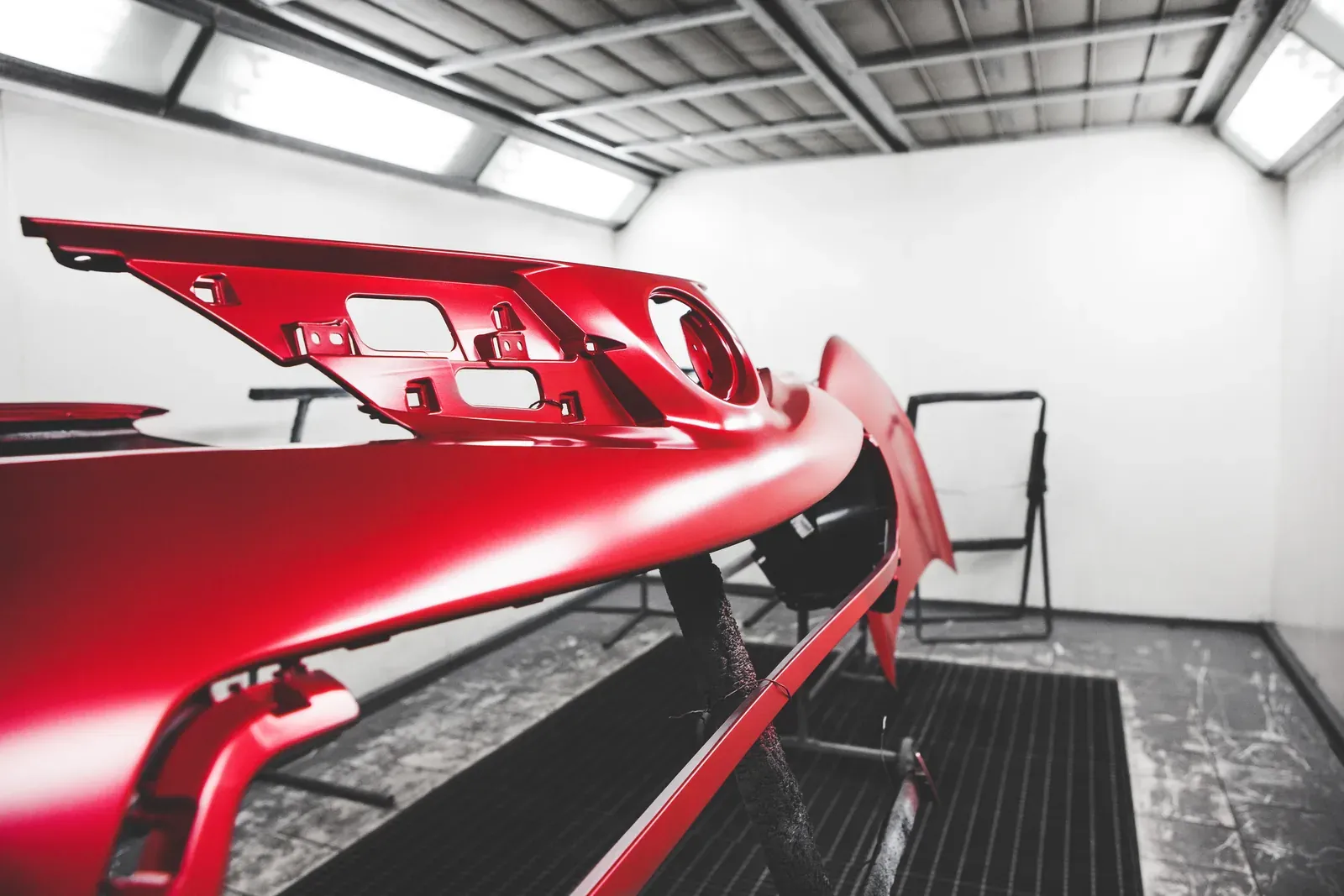
They may, and it depends what lives in your bumper
On a car from the last decade the bumper cover is a mounting surface for electronics. Ultrasonic parking sensors sit in holes in the cover itself. A radar unit for adaptive cruise control and emergency braking is usually bolted behind the front cover, often behind the badge or in the lower grille. A rear cross-traffic radar sits in each rear corner. Cameras for a surround-view system are in the front grille area and the tailgate. Every one of those is aimed within a small tolerance, and each manufacturer publishes what has to happen after the cover or the part comes off.
For some cars the answer is nothing beyond a self-check on the next drive. For others the instructions say that removing the cover, replacing it, or repainting it requires a calibration of the parts behind it. So the honest answer to the question is that your sensors may require recalibration, and the only way to know is to look up the procedure for your exact vehicle, which is what we do when our estimator writes the repair plan.
If your car has no adaptive cruise, no automatic braking and no cameras, and the parking sensors were never touched, the question mostly falls away. If it has those features, expect the topic to come up on the estimate.
Why a bumper repair can put a sensor out of alignment
Radar and cameras work by assuming they are pointing exactly where the factory pointed them. Take the cover off and put it back, and the sensor brackets can shift by a degree or two. Replace the cover and the new part may sit fractionally differently on its clips. Repaint the cover and the thickness of the new paint over a radar window can change how the signal passes through it, which is why some manufacturers limit the number of paint layers over that area or forbid repainting it at all.
Even the impact that caused the damage may have done the work. A bump firm enough to crack a cover can nudge a radar bracket without breaking it. The car may not show a warning light, because the sensor is still functioning; it is simply looking slightly to one side. On the 401 at speed, a radar that is aimed a degree off is reading the car in the next lane. That is the case calibration exists to catch.
Static and dynamic calibration, in plain terms
Calibration is the process of telling the sensor precisely where it is pointing and correcting its zero. There are two kinds, and many cars need one or both. A static calibration is done in the shop with the car parked on a level floor, using targets placed at measured distances and heights in front of the vehicle and a scan tool that talks to the sensor while it looks at them. A dynamic calibration is done on the road, driving at a set speed on a well-marked route while the system learns from real lane lines and traffic until the tool confirms it is aligned.
Each takes time and an exact setup. The car must be at the correct ride height with the tires properly inflated and the fuel and cargo loads sensible, because a nose that sits low changes where everything points. This is why calibration adds a line to the repair estimate and sometimes a day to the timeline. The guide on ADAS calibration after a collision goes into how the different systems are handled.
Who pays, and how it appears on the estimate
When a bumper repair is part of an insurance claim, the calibration is part of the claim. It is a required step in the manufacturer’s repair procedure, not an extra we add, and adjusters see it on estimates every day. Our estimate lists it as its own line with the reason. If the calibration is performed by a specialist with the equipment for your make rather than in our shop, that is also stated, and the car is sublet and returned as part of the same repair.
When you are paying yourself for a small bumper job, the calibration is a real cost to weigh. We tell you whether your vehicle calls for it and roughly what it adds before you decide, so nobody discovers it on the final invoice.
- The estimate names the sensors involved and the procedure required.
- The calibration is done after the bumper is finally fitted and painted, not before.
- A printed report from the scan tool confirms the result.
- Any warning that appears in the following days is checked at no charge.
Signs a calibration was missed
A sensor that was never recalibrated does not always announce itself. Watch for parking sensors that beep at nothing or stay silent near a wall, adaptive cruise that brakes for cars in the next lane or follows too closely, lane warnings that trigger on a straight road, or a blind-spot light that stays on with no one there. Any of these after a bumper repair is a reason to come back. The situation page on a parking sensor warning after a bumper hit walks through what we check.
Questions people ask
My car shows no warning light after the repair. Does it still need calibration?
Possibly. A radar or camera that is aimed slightly off still works and does not necessarily throw a code. Whether calibration is required is set by the manufacturer’s procedure for the work that was done, not by the presence of a warning.
Can the calibration be done before the bumper is painted?
No. It has to be done with the final cover fitted and finished, because the cover and its paint are part of what the sensor looks through. Calibrating early and then painting undoes the work.
Does a repainted bumper affect the radar?
It can. Some manufacturers limit paint thickness over the radar window or forbid repainting that area. We follow the procedure for your car, which sometimes means a new cover rather than a repainted one.
Is calibration covered by an insurance claim?
Yes, when the bumper repair is part of the claim. It is a step in the manufacturer’s repair procedure and is listed on the estimate as its own line.