First, report it — promptly, and before you call about the repair
A hit-and-run claim starts with a police report, and the sooner the better. Come back to your car on a Scarborough side street or in the Fairview Mall garage and find a crushed corner with no note, and the first call is to the police, or a visit to the nearest Collision Reporting Centre. Insurance companies expect a hit-and-run to be reported to the police within a short window, and a claim without that report is a claim the adjuster can question.
Before you move the car, photograph everything: the damage, paint transfer of another colour, the position of the car, any debris on the ground, and the surroundings. Look for cameras on nearby buildings and ask whether anyone saw it. A partial plate or a colour and model is worth writing down even if you doubt it will help.
Then notify your insurance company. The policy expects notice within seven days, but there is no reason to wait. Tell the adjuster it is a hit-and-run, give the police report number, and the claim is open.
When you make the report, the details below are what turn a vague complaint into a file the insurance company can act on.
- Where the car was parked, as precisely as you can: street, side, level of the garage, stall number.
- When you last saw it undamaged and when you found the damage.
- What was hit and the colour of any paint transfer left behind.
- Any camera you noticed nearby, and who owns the building it is on.
- A note or partial plate, if there was one, photographed rather than copied.
- Your own plate, the report number you are given, and the name of the centre or officer.
Your own coverage pays, because there is nobody else to claim against
DCPD works when there is an identified, insured driver on the other side. In a hit-and-run there is not, so the claim runs under your own collision coverage. If you do not carry collision, the damage to your car is generally not covered at all, which is the hard truth of a bare policy in a city of tight parking.
Whether you pay the deductible depends on your policy. Some insurance companies apply the collision deductible on a hit-and-run in full. Others waive it or reduce it when the incident was reported to the police and you were clearly not at fault. Ask the adjuster directly, and ask what the report needs to say for the waiver to apply.
Uninsured automobile coverage, the part of the policy that handles uninsured drivers, generally covers vehicle damage only when the driver was identified. On an unidentified hit-and-run, it is collision coverage or nothing, so this is a good moment to look at your declaration page.
If the driver is found later, the claim can change
A plate caught on a condo camera or a neighbour who saw it can turn a hit-and-run into an ordinary two-vehicle claim. When that happens, the insurance company can move the claim to DCPD, treat you as not at fault, and pursue the other driver’s insurance company. A deductible you paid may be returned. Keep every scrap of evidence for that reason, and give the adjuster any lead as soon as you have it.
If the driver is found but turns out to be uninsured, the claim moves again, this time to uninsured automobile coverage. The page on an at-fault driver with no insurance explains that route.
The repair itself runs like any other claim
From the shop’s side, a hit-and-run is a collision claim with a police report attached. You send us photos, we write the estimate the same business day, and the estimate goes to the adjuster with the report number. The repair does not wait for the police to find anyone. If the car cannot be driven, the tow brings it here, and where it goes is your call.
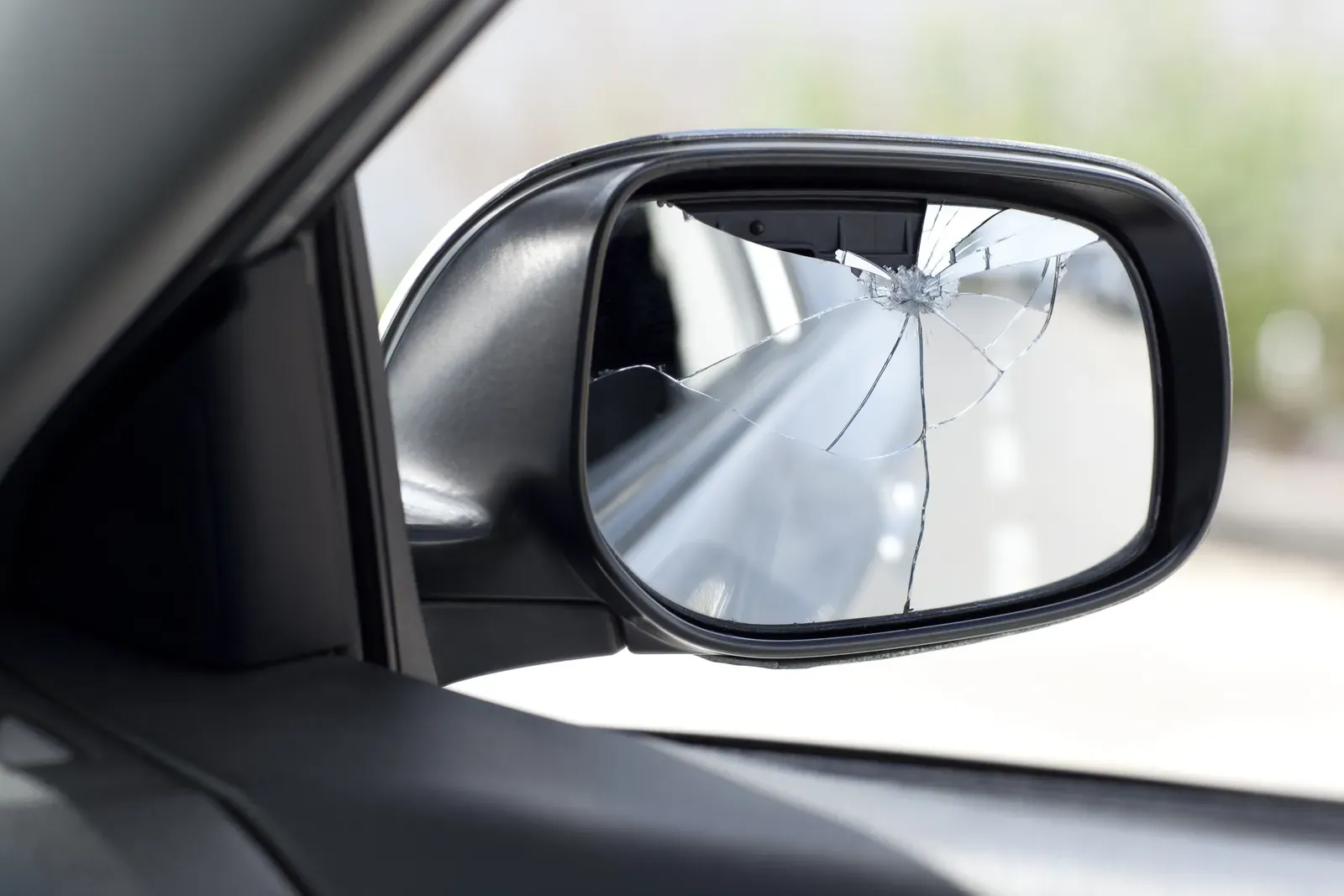
Parked-car hits tend to leave a specific kind of damage: a corner bumper, a rear quarter, a mirror, a door skin creased at bumper height. The repair often involves a bumper cover, one panel and a blend into the next, and the hidden question is whether the bumper absorber and any parking sensors behind it took the hit. We check for that at teardown and add it as a supplement if we find it.
Will this count against you?
A police-reported hit-and-run where you were clearly parked or stopped is a not-at-fault incident, and most insurance companies treat it that way. Whether it affects your premium depends on the company and your history, which is a separate question with its own page. What does matter is doing the reporting properly: a hit-and-run with no police report and a late notice looks, on paper, like an at-fault single-vehicle claim, and that is a worse outcome than the deductible.
If you speak Mandarin and would rather walk through the report and the claim in that language, say so when you send the photos. We handle claims in English and Mandarin, and the police report is easier to get right the first time when nothing is lost in translation.
Questions people ask
How soon do I have to report a hit-and-run to police?
As soon as you can, ideally the same day. Your policy may set a short deadline for the police report on a hit-and-run, and a Collision Reporting Centre accepts reports for parked-car hits.
Can I still claim if I did not see it happen?
Yes. Most hit-and-runs are discovered later. Report what you know, when you found it and where the car was, and photograph the damage before moving it.
Will my deductible be waived on a hit-and-run?
Sometimes. It depends on your insurance company and on the incident being reported to the police. Ask the adjuster before assuming.
What if the damage is small? Should I bother with the police?
If you intend to claim, yes, because the report is what makes it a hit-and-run rather than an unexplained dent. If you plan to pay out of pocket, a report is still useful in case the damage turns out to be bigger than it looks.