What these places are
A Collision Reporting Centre is a facility where drivers bring their vehicles after a collision so the incident can be documented and a police report created. It is run by the police service together with a private operator: that operator’s staff work the intake counter and photograph the vehicle, officers review the reports, and some centres also have insurance company representatives on site as a convenience. The arrangement exists so officers are not tied up at the roadside for every non-injury fender-bender in a region this size.
The idea is now standard across the Toronto and York Region area, and it is why the officer you expected at the scene may never arrive. If nobody is hurt, the vehicles are drivable and there is no criminal element, the direction you are given is to exchange information and report at a centre yourself.
What you leave with is the thing that matters: a documented report, a report number, and a record that a collision occurred, which your insurance company will look for when you make the claim.
When you must go, and when police come to you
Two different duties get confused constantly, so keep them apart from the start. Anyone injured means 911 from where you are and police attending the scene. That is not a trip you make later, and a reporting centre is not where it belongs.
The centre is for the collision where nobody was hurt. You go when the damage to all the vehicles involved, added together, looks likely to cross the provincial reporting threshold — or when the other driver left without giving you their information. The threshold was raised at the start of 2024, so some genuinely minor collisions no longer need a report, but you are estimating it standing on a roadside, and modern bumper covers, lamps and sensors add up faster than the scuff suggests. When in doubt, report.
The window is short. Go promptly — generally within twenty-four hours of the collision. Do not let it slide because you were shaken and wanted to sleep on it.
Injuries are not the only thing that keeps a collision away from a centre. Stay where you are and call 911 if a driver seems impaired, if someone is trapped, if a vehicle cannot be driven and is blocking traffic, or if a government or transit vehicle, a pedestrian or a cyclist is involved. Police attend in those cases and will tell you what happens next.
Where they are in Toronto and York Region
In Toronto, drivers are directed to the reporting centre at 32 Division in North York, or the one at 41 Division in Scarborough. If you were on the 401, the 404, the DVP or anywhere around Sheppard and Don Mills, one of those two is likely the nearest.
In York Region — Markham, Richmond Hill, Vaughan, Thornhill and north — there are reporting centres in Richmond Hill and in Markham, run under York Regional Police.
Confirm the current address, the hours and whether the location is open before you drive over. Locations and operating hours change, holiday schedules differ, and turning up at a closed building with a damaged car is a bad end to an already bad day. Look it up on the police service’s own website or call the non-emergency line, rather than relying on a map pin that may be out of date.
What to bring
Take the vehicle itself if it is drivable, because the damage is photographed there. If it is not drivable, it goes to a shop or a storage yard and you attend without it — say so at intake and follow the instructions you are given.
- Your driver’s licence, the vehicle permit or ownership, and your insurance card or the digital equivalent.
- The other driver’s name, address, licence number, plate, insurance company and policy number.
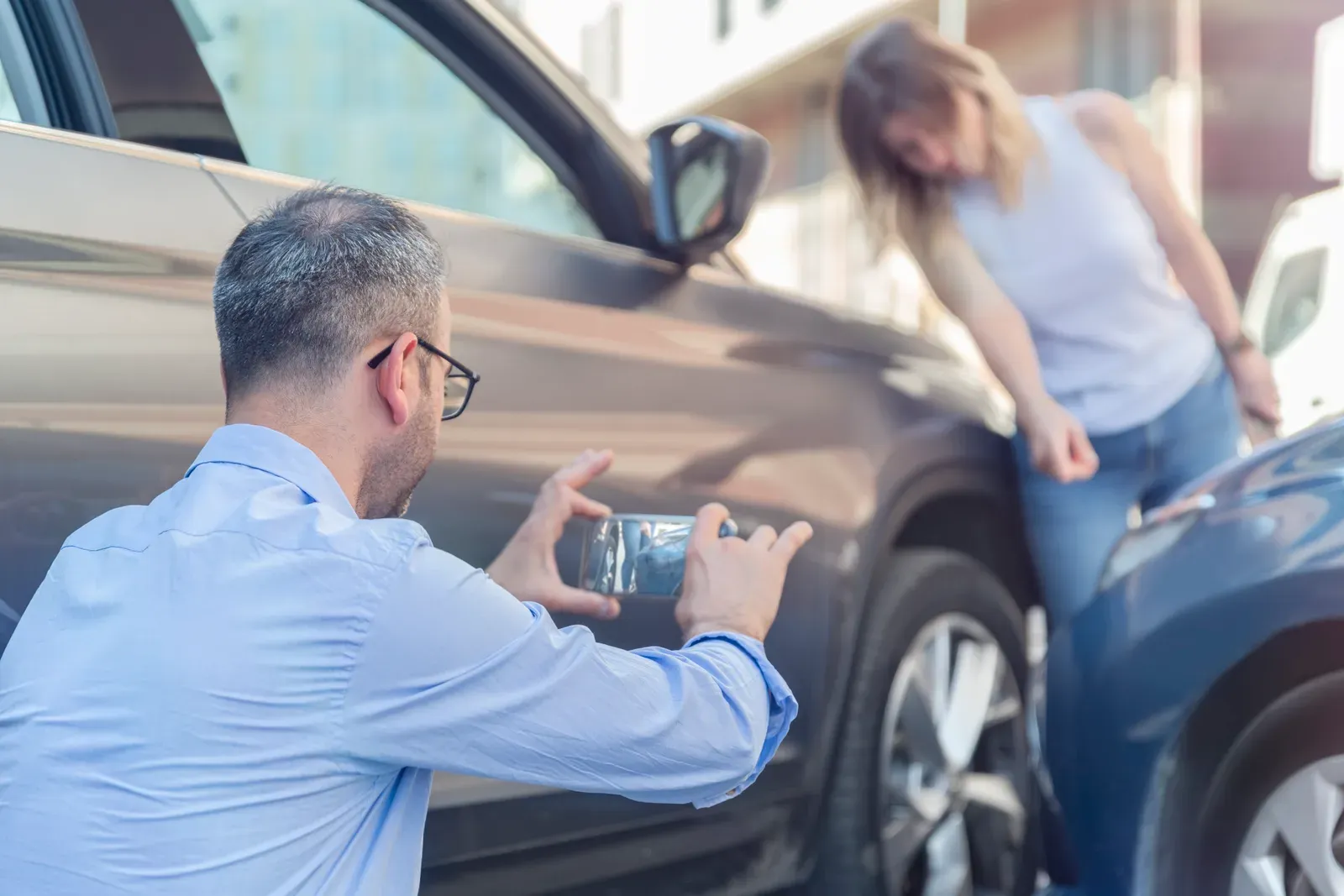
- Every photograph you took at the scene: both vehicles, the damage close up, the road layout, the signals and the plates.
- Anything a witness gave you — a name and a phone number is enough.
- A written note of the time, the location and the weather, made while it was fresh.
- Your own account of what happened, thought through before you walk in, in plain sequence.
What happens inside
Expect a wait, especially after a snowfall or on a Friday evening. Intake takes your details and your account of the collision, and you complete a self-reporting form describing what happened. The vehicle is photographed, usually in a bay behind the building.
An officer reviews the report. Charges are possible if the circumstances warrant them, though for an ordinary two-car collision the outcome is usually just the report. Some centres have insurance company representatives on site, and you may be offered the chance to open a claim right there.
You leave with a report number and, in many cases, a sticker applied to the vehicle showing it has been reported. Keep the number somewhere you will not lose it. Every conversation you have afterwards — with your insurance company, with the shop — starts with that number, and a claim without it takes longer to move.
The two calls to make afterwards
Call your insurance company first, even if you have not decided whether to claim. The standard policy expects prompt notice, and reporting the incident is not the same thing as committing to a repair. Give them the report number, the other driver’s details and a plain description.
Then call a shop and get an estimate written. A few clear photographs — a wide shot of the damaged side, one straight-on at the damage, and one close enough to show the depth — are enough for our estimator to write an estimate and send it to your adjuster with your claim number on it.
From there the sequence is ordinary: approval, parts ordered, drop-off booked around the parts arriving, rental timed to that date. If anything at the reporting centre left you unsure — a fault finding you did not expect, or a form you signed without fully following — bring it up. Explaining what a document actually says is part of the job, in English or in Mandarin.
Questions people ask
Do I have to report if the damage is only a scuffed bumper?
Not if nobody is injured and the combined damage across both vehicles clearly falls under the provincial reporting threshold. Be careful with that judgement, because a bumper cover with parking sensors, a lamp and a fender behind it is a much larger number than the scuff suggests. If you are guessing, report — there is no penalty for reporting something that turned out to be minor.
What if my car cannot be driven to the reporting centre?
Then it does not go. Have it towed to the shop you have chosen or to a storage yard, and attend the centre yourself with your documents and photographs. Tell the intake staff where the vehicle is. You decide where a tow takes your car, so give the operator the destination rather than accepting whichever yard they suggest.
Does going to a Collision Reporting Centre mean a claim is automatically opened?
No. Reporting creates a police record of the collision; it does not open a claim by itself. Some centres have insurance company staff on site who can start one if you want, but the decision remains yours, and you can report and then take a couple of days to get an estimate before choosing.
The other driver refuses to go and report. What do I do?
Go anyway. Reporting is your own obligation and does not depend on the other person cooperating. Take whatever information you managed to get — plate number, a photograph of the vehicle, a description of the driver — and say plainly at intake what the other party did. That refusal is worth having on the record.