The policy says yes: notice within seven days, whatever the size
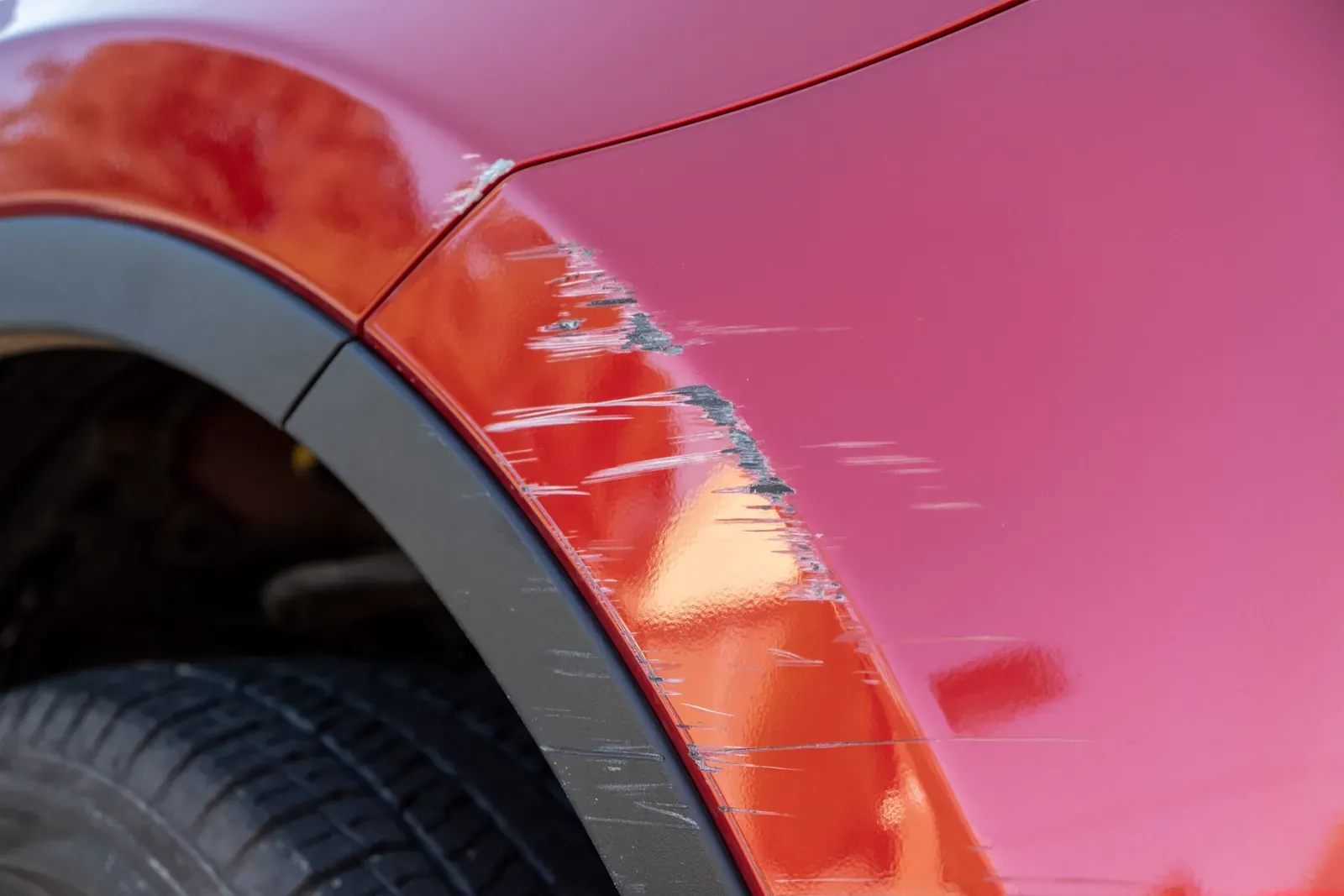
“Minor” is a judgment made in the first five minutes, and it hides three different situations. The light touch in a Don Mills plaza where details were exchanged: the other driver can open a claim against your policy weeks later, whatever was agreed at the kerb. The driver who seemed fine and calls their insurance company days later with a sore neck: now there is an injury file, and your company hears about the collision for the first time from the other side. And the scuff with a parking sensor behind it, where a cosmetic mark becomes an electronics repair at teardown. In each case, the driver who stayed quiet starts the claim a step behind their own story.
That is why the Ontario standard auto policy, the OAP 1 that every driver in the province holds in some form, asks you to notify your insurance company of an accident promptly and names seven days, drawing no line at a certain amount of damage or a certain number of cars.
Reporting and claiming are two different things
Telling your insurance company that something happened is a notification. Asking it to pay is a claim. Most people fold the two together, and that is where the fear comes from. You can report the incident, say you intend to pay for the repair yourself, and leave it there. The company records that it was told. No estimate is submitted, no deductible changes hands, and the repair is between you and the shop.
Whether that notification touches your premium at renewal has a general shape. A notification-only entry, with no payout and no fault assigned, is generally not rated the way an at-fault claim is; the paid at-fault claim is what carries the renewal cost. Each insurance company’s rating rules are the final word, so ask your broker how your company logs a report with no claim attached. What does not vary is that a hidden incident that surfaces later is worse than a reported one.
How you report depends on how you bought the policy. With a broker, the broker is usually the first call, and a good one will tell you plainly whether the incident is worth claiming before anything is logged with the company. With a direct-writer, you call the claims line, and it is worth saying in your first sentence that you are reporting, not claiming. Either way the record is the same: date, place, what happened, and your stated intention.
When you must report, no matter how minor it feels
Some situations remove the choice. In each of these, report to your insurance company the same day if you can.
The single-vehicle scrape with nobody else involved, such as a garage pillar or a driveway windrow, is the one where drivers most often decide to keep it to themselves. The policy still expects notice. Practically, the risk of not reporting is lowest there, and the choice between claiming and paying is entirely yours.
- Another vehicle was involved, even a light touch, and details were exchanged. The other driver may claim.
- Anyone mentioned being hurt, or a passenger was in either car.
- The damage might exceed the provincial reporting threshold, which also means a visit to a Collision Reporting Centre.
- The other driver left, or would not give details: that is a hit-and-run, and the police need to hear about it first.
- You hit property: a fence, a parked car, a light standard. The owner may come looking.
- Your car is leased or financed. The lender expects damage repaired properly, and the claim record matters at return.
How to report without opening a claim
Call the company or the broker, describe what happened, when and where, and say that you are reporting for the record and are not filing a claim at this time. Ask them to confirm that the file is a notification only. Write down who you spoke to and when. Then get an estimate for the repair from photos, so you can decide on the claim with a real number in front of you rather than a guess.
If the estimate comes back higher than expected, or the teardown finds something bigger, you can still open the claim, because the notice was given on time. That is the whole advantage of reporting early: it keeps every option open. If the seven days have already slipped past, the page on how long you have to file a claim covers what late notice means.
Photograph the damage the day it happens and keep the original files rather than screenshots: your phone stamps each photo with the date and time, and that is what shows the adjuster the damage belongs to the incident you reported and not to something later.
What happens on our side when you pay yourself
A repair you pay for yourself is the same repair. We write the estimate from your photos, tell you what is cosmetic and what is not, and give you a plain number. For a bumper scuff or a door ding, that often makes the decision easy. For anything involving sensors, a bent bracket or a panel that needs replacing, we will say so, and at that point running it through the claim you already reported is usually the better call.
The decision between out-of-pocket and insurance has a page of its own. The short version for this question is: report it, then decide.
Questions people ask
If I report but do not claim, does it go on my record?
The insurance company records that it was notified. How that is treated at renewal varies by company, and a not-at-fault or no-payout record is treated differently from an at-fault claim.
If I report and pay cash, can the other driver’s claim still reach my policy?
Yes. Your notification does not limit what the other driver does — they can still claim against your policy within their own time limits, and their insurance company will contact yours. That is exactly why the report matters: your company answers with your version and your dated photos already on file, instead of hearing the story for the first time from the other side.
The other driver and I agreed to keep insurance out of it. Is that binding?
No. Either of you can change your mind, and the other driver’s insurance company is not bound by a handshake. Report on your side so you are covered if they do.
Do I have to report a single-car scrape where only my car was damaged?
The policy expects it. In practice the risk is low and the repair decision is yours, but reporting costs nothing and keeps the claim option open if the damage turns out to be bigger.