Radar looks through the bumper, so the paint becomes part of the sensor’s window
The radar that runs adaptive cruise control and forward collision warning is usually mounted behind the front bumper cover, behind the lower grille, or directly behind the brand emblem. It sends a radio signal through the plastic and reads the reflection from the car ahead. The cover in front of it is designed to be close to transparent at the radar’s frequency, and the factory paint on it is applied at a controlled thickness for that reason.
Paint is not invisible to radar. Each layer adds a little loss, and metallic and pearl paints contain flakes that reflect and scatter the signal more than a solid colour does. Body filler is denser again. A cover that left the factory well inside tolerance can drift out of it once it has been repaired and refinished, and the radar then sees a weaker or slightly bent picture of the road. It may still work on a clear day and then report itself blocked in wet snow, when the margin runs out.
Manufacturers publish how much refinish the radar zone can take, and some say none
Vehicle makers who use radar behind the bumper publish repair information for that area, and it varies more than drivers expect. Some allow a normal refinish over the radar zone, once. Some cap the total film build, meaning the original paint plus any repair layers. Some prohibit filler or plastic repair anywhere in the marked zone and allow only paint over an undamaged surface. A few state that a cover with any damage in the radar area must be replaced.
This is why the age and history of the bumper matter at the estimate stage. A cover that was repaired and repainted after a fender bender years ago may already be at its limit, even if it looks perfect. On plastic, the usual magnetic paint gauges do not work, so measuring film thickness takes a gauge designed for non-metal surfaces. Where the history is unknown and the maker’s limit is tight, the safer recommendation is often a new cover.
Emblems that sit in front of a radar deserve their own mention. Many are radar-transparent units, and some include a thin heater to keep snow and ice off the sensor face through a GTA winter. Those are generally replaced as a part rather than painted or polished, because their construction is what lets the signal through.
How we decide between refinishing the cover and replacing it
The decision follows the damage and the procedure, in that order. If the damage is outside the radar zone and the cover has no previous repair there, repairing and refinishing is often fine and follows the normal plastic-repair route. If the damage, a previous repair or filler sits inside the zone, we check the maker’s instructions for your car and usually price a new cover. That keeps the radar inside the conditions it was tested in.
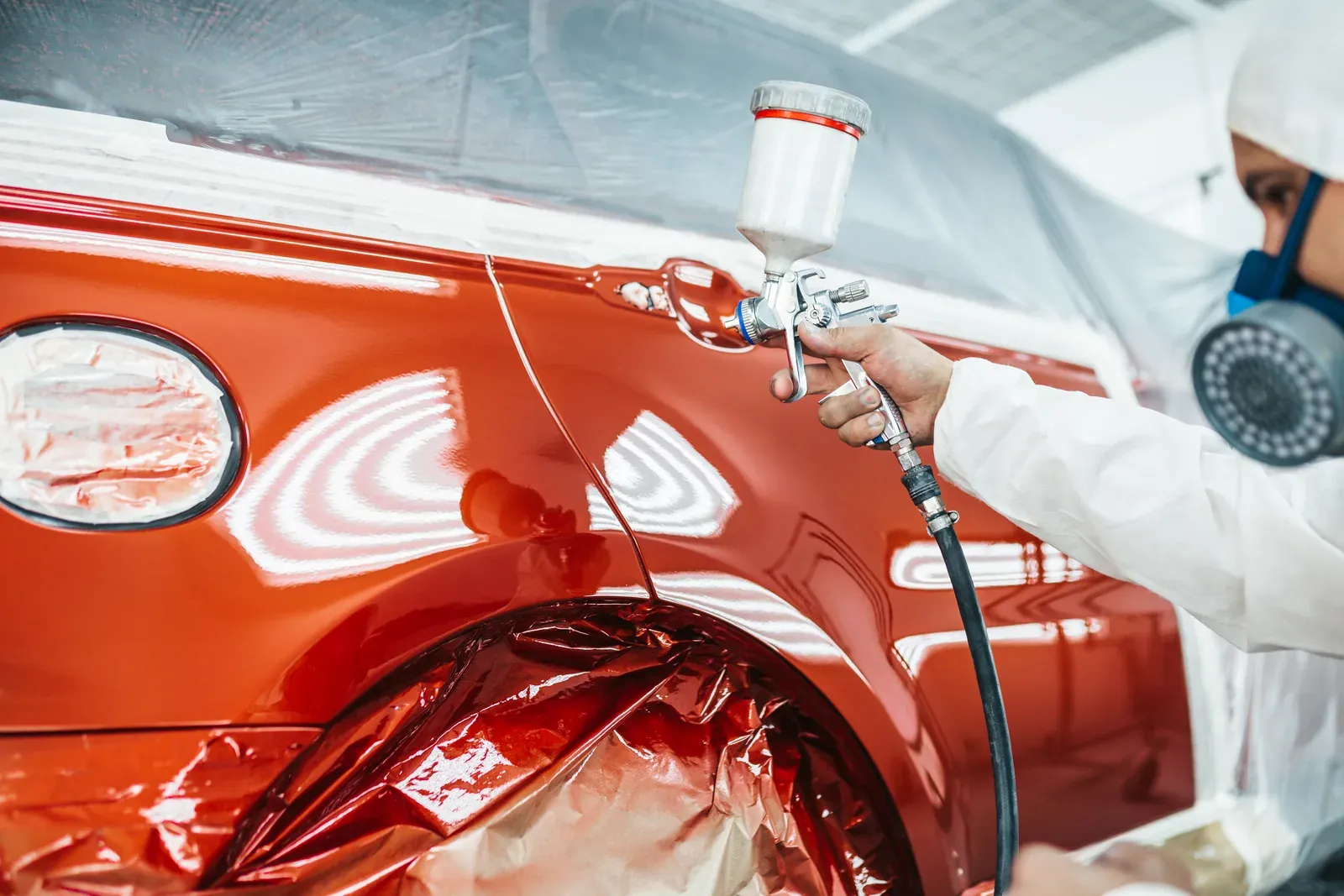
In both cases the whole cover is refinished off the car. When the colour is a metallic or pearl, we often fade new colour into the front fender too, since a plastic cover and a steel fender rarely look identical side by side even in the same paint. That blend lives on the fender, well clear of the radar. Inside the radar zone the goal is the opposite of building up material: one correct refinish, at the specified thickness, and nothing extra.
- Where the radar sits on your model and the zone the maker marks around it.
- Whether the cover has any earlier repair or filler inside that zone.
- The maker’s limit on refinish layers or film build over the radar.
- Whether the emblem in front of the radar is a separate radar-transparent part.
The radar is checked after the paint, never before it
The radar has to be judged through the window it will actually use, so any scan, aim check or calibration waits until the painted cover has cured and is bolted back on. A scan confirms the radar sees no blockage fault and reads correctly, and if the manufacturer calls for an aiming or calibration step after cover replacement or refinish, that is done then. The estimate shows it as its own line.
This is a separate question from whether the original impact moved the radar. A bump firm enough to need a new cover can also nudge the radar bracket, and that has its own diagnosis. The answer on whether sensors need recalibration after a bumper repair covers that side of the job.
Warning signs after a refinish that point at the paint
If adaptive cruise or collision warning became unreliable after a bumper was repainted, and especially if it reports a blocked sensor in rain or light snow when other cars on the 401 have no trouble, the refinish over the radar zone is a likely suspect. Bring the invoice from the earlier repair if you have it. It helps establish how many layers are already on the cover.
Questions people ask
Can a stone chip on the emblem in front of the radar be touched up?
It is usually not recommended. Touch-up paint adds thickness in exactly the wrong place, and many radar emblems are built specifically to pass the signal. A chipped or cracked radar emblem is normally replaced.
Does a vinyl wrap or clear film over the bumper affect the radar?
It can. Film and wrap add layers over the radar zone, and some contain metallic or textured finishes. Some installers leave the radar area bare for that reason, and it is worth asking before the front end is wrapped.
I bought the car used. How do I know if the bumper was repainted before?
Look for overspray on rubber trim, a slight texture or gloss difference against the fender, and sanding marks inside the cover’s edges. A vehicle history report may show an earlier claim. Our estimator checks for signs of previous refinish when the cover comes off.