Usually yes, once it passes a two-minute check
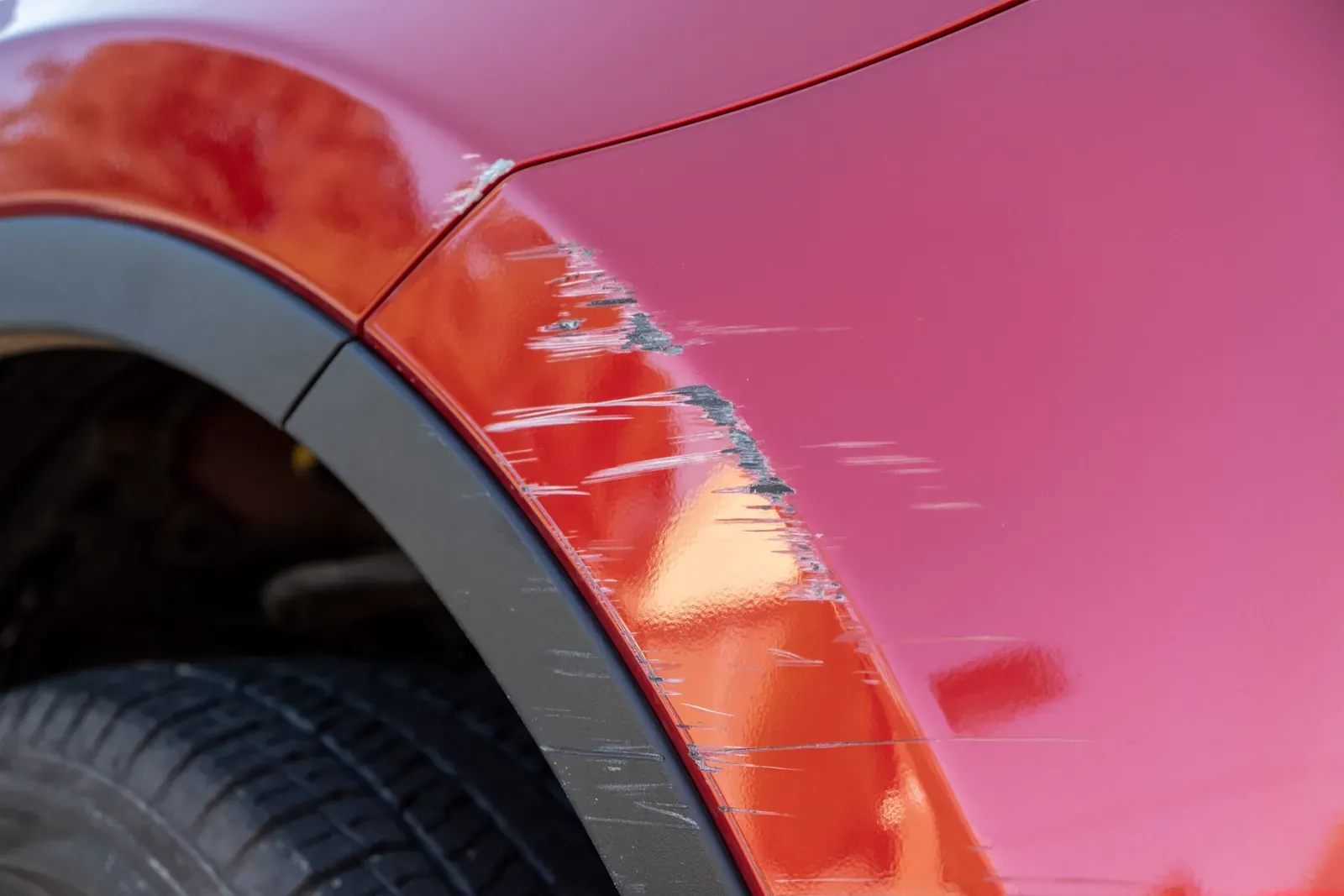
For most bumper damage, a scuffed corner, a cracked cover, a dent from a parking bollard, the car is safe to drive to the shop and to keep driving for a few days while the repair is arranged. The bumper cover is a painted plastic skin over the parts that actually absorb an impact, and a cosmetic wound to the skin does not change how the car stops, steers or protects you.
What you need to confirm first is that nothing is dragging on the road, nothing is loose enough to fall off, and nothing important has been disturbed. Walk around the car and look at four things. Is the cover attached at both corners and along the bottom edge, or is it hanging. Are the headlights, tail lights and turn signals all intact and working. Is the licence plate still readable and secure. And are there any dashboard warnings about parking sensors, cruise control or cameras. If all four are fine, drive it.
Send us photos of the damage that same day and our estimator will write the estimate and tell you honestly whether it is a repair or a replacement, and how long you can reasonably wait before it becomes a bigger problem.
When a damaged bumper is not safe to drive
Stop driving it if the cover is hanging low enough to touch the road or the tire, because it will catch on a speed bump, a curb, or the windrow at the end of your driveway and tear the rest of the way off. Stop if a light is broken or a signal does not work, because that is a ticketable defect and a real hazard in traffic. Stop if the licence plate has gone, for the same reason. And stop if there is a sharp edge of split plastic or bent metal sticking out that could cut a pedestrian or cyclist brushing past in a tight lot.
A less obvious reason is the radiator. On many cars the lower part of the front bumper and the grille sit directly in front of the radiator and the air-conditioning condenser. A hard front hit can push those back or crack a hose without much visible damage outside. If the temperature gauge climbs, if you smell coolant, or if there is a puddle under the front after parking, do not drive it.
If any of those apply, we help arrange a tow to the shop. In Ontario you choose where the vehicle is towed, so tell the driver Crash Consultant at Sheppard and Don Mills.
A cracked cover can catch the wind
The one thing drivers underestimate is air. A crack that looks harmless at parking speed becomes a scoop at highway speed. Air gets in behind the loose edge, lifts it, and the crack runs. People merge onto the 404 with a small split in the corner of the bumper and arrive at Highway 7 with a flap the size of a dinner plate, and sometimes the flap simply lets go in traffic. A cover that is torn away rather than cracked is nearly always a replacement rather than a repair, so the wind has turned a modest job into a larger one.
If the cover has a crack near an edge or a corner tab has broken, keep it off the highway until it is secured. Stay on Sheppard, Don Mills and the arterials rather than the 401, or tape the edge as described below. A few days of that is not a hardship. A cover flying off at speed is.
What lives behind a modern bumper cover
Behind the painted skin there is an energy absorber, usually a block of dense foam or a moulded plastic crush structure, and behind that a reinforcement bar bolted to the frame rails. The absorber and the bar are the bumper in the engineering sense. If the cover has taken a hit hard enough to crack it, the absorber may be crushed and the bar may be pushed back, and neither of those is visible from outside. We remove the cover during every bumper repair for exactly this reason, and the estimate is revised if there is hidden damage.
Also behind the cover, on most cars from the last decade, are the parking sensors, a radar unit for adaptive cruise, and sometimes a camera. A bump that disturbed those may leave the car driveable but with a warning on the dash, and the repair may require a recalibration afterwards. The page on whether sensors need recalibration after a bumper repair covers that in detail.
Securing it until the repair
If the cover is loose but complete, a few strips of strong tape along the split and at the corner will hold it for a week of city driving. Use tape you can remove without damaging the paint, and run it with the direction of airflow rather than across it. Push-in plastic clips at the wheel arch and along the lower edge can often be reseated by hand. Do not glue anything; the repair needs those surfaces clean.
- Tape any crack from the outside, in the direction of the airflow.
- Reseat loose clips at the arch and the lower edge.
- Keep off the highway until it is secured.
- Check that lights, signals and the plate are intact before each drive.
Questions people ask
Can I get a ticket for a damaged bumper in Ontario?
For the cosmetic damage itself, no. For what comes with it, possibly: a broken light or signal, a missing or unreadable licence plate, or a part that is hanging and could fall into the road can all draw a ticket. Fix those first if you have to keep driving.
Will driving on it make the repair more expensive?
It can. A crack that spreads becomes a replacement, a loose corner can scratch the fender paint, and a hanging lower edge can tear clips out of the cover. A few days of careful city driving is usually fine; weeks on the highway are not.
My bumper has a dent but no crack. Is that urgent?
No. A dented plastic cover with intact paint is purely cosmetic and can wait until it suits you. Bring it in when you have a day to spare; many of those dents come out with heat and pressure without a repaint.
Does a damaged bumper affect the airbags?
It can. Crash sensors on many cars are mounted on or near the bumper reinforcement. A hard hit that displaced the bar can affect them, and the repair includes checking that they are intact and correctly positioned.