The Kennedy-to-McCowan weave is where the express lanes meet Scarborough’s fenders
Between Kennedy and McCowan the 401 runs express and collector lanes side by side, and the transfer ramps between them are short, busy and used by people making up their minds late. A driver in the collectors sees the express moving and cuts across; another in the express realises McCowan is the next exit and cuts back. The lane change lands on somebody’s front quarter, and the score runs two or three panels long with a mirror mount bent inward.
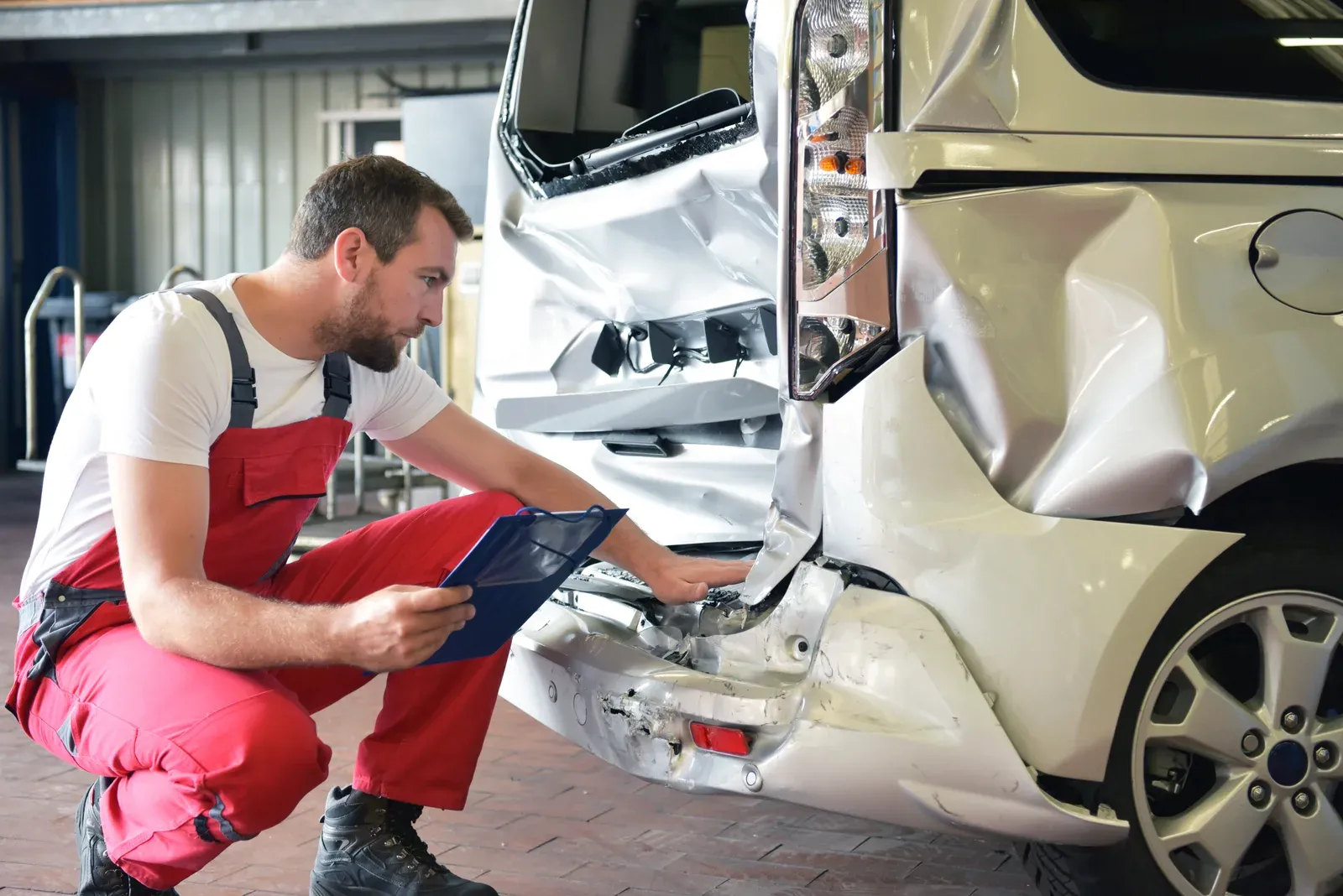
Down on the surface streets it is the rear-end that rules. The lights on Sheppard East at Kennedy, Brimley and McCowan stack traffic four deep in the evening, and the car behind looks at a phone at exactly the wrong second — cover cracked, absorber crushed, and often a kink in the rear body panel where it meets the trunk floor. Markham Road and Ellesmere supplies the hard ones: a left turn across two lanes that catches a car square in the door. None of these can be priced from the sidewalk; the estimate is written from teardown.
One Ellesmere T-bone, worked from the B-pillar out
Take the Ellesmere hit as the example. The door skin is the visible part and the least important. Behind it, the intrusion beam inside the door has done its job and bent; the B-pillar between the doors may have moved inward a few millimetres; the rocker under the door has probably taken a crease; and in the pillar itself sits the sensor that fires the side-curtain airbag. Every one of those is a safety part. That is where we push for OEM: a pillar reinforcement or an airbag sensor is no place for a like-kind-and-quality substitute, and we say so to your insurance company in writing when they have written for one.
The order of work runs from the inside out. The pillar and rocker are measured against the manufacturer’s data first; if either has moved, it is pulled back and measured again, with both printouts in your file. Then the door — repaired or replaced depending on the beam — and the refinish, mixed to your paint code, tinted to the way your paint has aged, and blended into the front fender and rear quarter so no line shows. Paint and refinish carry a lifetime warranty. If a mirror camera or a blind-spot radar sat in the path of the hit, recalibration may be required before the car goes back on the 401.
- Teardown and a photographed damage map before the estimate is final
- Pillar and rocker measured against factory data, pulled if needed, measured again
- OEM asked for on airbag sensors, pillar reinforcements and intrusion beams
Who pays after a Scarborough hit, and how the car gets here from the collectors
When you are not at fault, in whole or in part, your own insurance company pays for the damage to your car under Ontario’s DCPD rules, with fault split under the Fault Determination Rules. There is no settling-up between the two companies afterward; each pays its own customer’s not-at-fault share. Tell your insurance company promptly — the policy expects to hear within seven days — and hand the rest to us. If they read out a preferred shop on Markham Road, that is a suggestion; in Ontario the choice is yours. We open the claim, meet the adjuster here, and time a rental through your coverage to the day you drop off. A customer who would rather run the whole file in Mandarin can.
If anyone was hurt, call 911 from the scene and wait for police. If nobody was and the damage looks likely to pass the provincial reporting threshold, the nearest Collision Reporting Centre takes the report — and a car that cannot drive goes from there to the shop you name. Ontario lets you pick the tow destination; say Sheppard and Don Mills, or call us and we arrange the flatbed from the shoulder of the collectors.
Questions people ask
A pickup hit me from behind in the 401 collectors at Kennedy. Is the claim on my policy or the driver’s?
On yours. Under DCPD your own insurance company pays for your car for the share you are not at fault, and when the rear-end is entirely the other driver’s doing that is normally the whole repair. The pickup driver’s liability coverage does not pay for your car, and the two companies do not settle between themselves. Exchange details, photograph the scene and the pickup’s hitch, and send us the pictures.
The car went to a Collision Reporting Centre on a flatbed. How does it get from there to you?
A reporting centre takes the report; it is not a storage lot. Once the report is done the tow continues to whatever shop you name — the destination is your choice under Ontario’s towing rules, and the invoice has to be itemized. Give the operator 1800 Sheppard Avenue East, or call us and we send the truck the rest of the way.
The other car in the Ellesmere hit had no insurance. Who pays for mine?
Not DCPD, because DCPD needs the other vehicle to be identified and insured in Ontario. An identified but uninsured driver puts the damage under your own policy’s uninsured automobile coverage, and your insurance company confirms the details. Make the report, because the police report is what documents the other car and its missing policy.
How long does a rear-end repair from Scarborough usually take?
It depends on what the cover was hiding. A cover, absorber and refinish is often a matter of days once parts are in. A kinked rear body panel or a moved rail adds bench time and paint, and the range grows. Because the car is torn down before parts are ordered, the range we give you is usually close, but it is a range, and a back-ordered part can stretch it.