Two triggers: injury, or damage over the provincial threshold
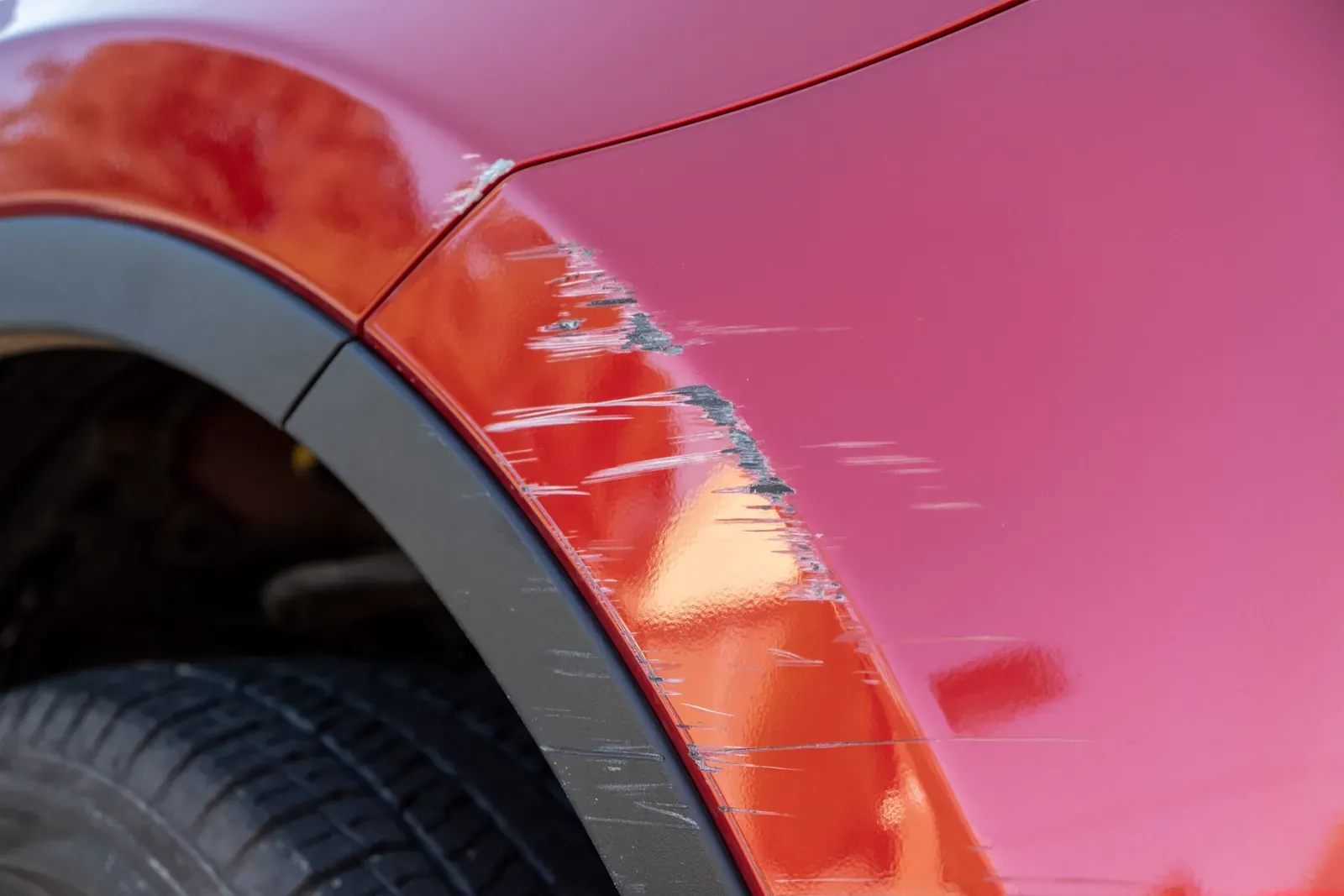
Ontario sets two conditions that make a collision reportable. The first is injury of any kind to anyone involved. The second is property damage that, added up across every vehicle and anything else that was hit, appears to exceed the provincial reporting threshold. That threshold was raised at the start of 2024, and it is the figure that most drivers get wrong, because they judge it against the visible damage to their own car alone.
The threshold applies to combined damage. Your car might have a scuffed corner while the other driver’s has a crushed door; what counts is the two together, plus a fence or a guardrail if one was hit. This is where drivers who only glance at their own bumper misjudge it.
Note the word “appears.” You are not expected to have an estimate in hand at the roadside. If a reasonable person looking at both cars would think the total repair might cross the line, report it. Nobody is penalized for reporting a collision that turns out to be under the threshold.
A third case: the other driver is gone
A hit-and-run is not a threshold question. If someone hits your parked car on a Willowdale side street and drives away, or clips you on the 404 and keeps going, report it to police regardless of how the damage looks. Your insurance company will ask for the report number before it opens a hit-and-run claim, and without it you are asking them to take your word on how the damage happened.
The same goes for anything that looks criminal: a driver who seems impaired, a driver with no insurance card, a driver who refuses to give details. Those are police matters in themselves, and the damage report comes along with them.
Why the threshold is easier to cross than it looks
A generation ago a bumper was a steel bar. Today it is a painted plastic cover over a foam absorber, a reinforcement beam, brackets, parking sensors and often a radar module. A rear bump at a Fairview Mall stop sign that leaves a scuff can hide a cracked absorber and a shifted sensor. Add a headlight, and the two cars together are past the reporting line before anyone has looked underneath.
Our practical advice is to assume that any collision where a bumper cover is cracked, a light is broken or a panel is pushed out of line is reportable. The cost of the report is a detour on the way home. If you want a second opinion before you go, send us photos and our estimator will tell you honestly whether the damage looks like it is above or below the line.
How to report: 911 at the scene, or a Collision Reporting Centre later
Injuries mean 911 and police at the scene. For everything else in Toronto and York Region, you do not wait at the roadside for an officer. You exchange details, move the cars, and drive to a Collision Reporting Centre, where the report is taken at a counter and the damage is photographed. What that visit involves has its own page. The point here is that “report to police” in a no-injury collision means going to them, not calling them to you.
Go as soon as you reasonably can — generally within 24 hours. Take the car itself if it can be driven, because the centre wants to see and photograph the damage.
A non-drivable car does not change the sequence, only the order of the trips. Have the tow take the car straight to the shop — in Ontario that destination is yours to choose — and go to the centre with your photos, the other driver’s details and the itemized tow invoice, and tell the officer where the vehicle now sits. Then call your adjuster with the report number and the shop’s address in the same conversation. When those two pieces arrive together, the estimate our estimator writes from your photos, the report and the claim number line up on day one, and nothing waits on a second visit to see the car.
What happens if you don’t report a reportable collision
Failing to report a collision you were required to report is an offence under Ontario’s traffic law, and it can also create a problem with your claim. An insurance company faced with a large repair and no report is entitled to ask why. Most will still handle the claim, but you have handed them a reason to look harder at everything else.
One more reason to report: the other driver may. If they go to a Collision Reporting Centre and you do not, the only version of events on file is theirs.
Reporting and claiming remain separate decisions. A report at a Collision Reporting Centre does not open a claim, does not assign fault and does not raise your premium. It simply records what happened while the facts are fresh. You can report today and decide about the claim next week once you have an estimate in hand.
Questions people ask
Do I have to report a bump in a parking lot?
Only if it meets the same tests: injury, damage over the threshold, or a driver who left. Many parking lot bumps sit under the line, but a cracked bumper cover with sensors behind it may not. When in doubt, go.
I hit a pole and nobody else was involved. Do I report?
If the damage to your car and the pole together appears to exceed the threshold, yes. Single-vehicle collisions are not exempt, and a claim on your collision coverage will be simpler with a report attached.
Will police come to a minor collision on the 401?
Usually not if nobody is hurt and the cars can be moved. You will be told to exchange information, clear the lane and report at a Collision Reporting Centre. If a car cannot move or is blocking traffic, call and let the dispatcher decide.
Does reporting to police mean I have made a claim?
No. The report is a record with police. The claim is a separate conversation with your insurance company, which you can start or not once you know what the repair involves.