The fleet number on the side of the vehicle is worth more than a description
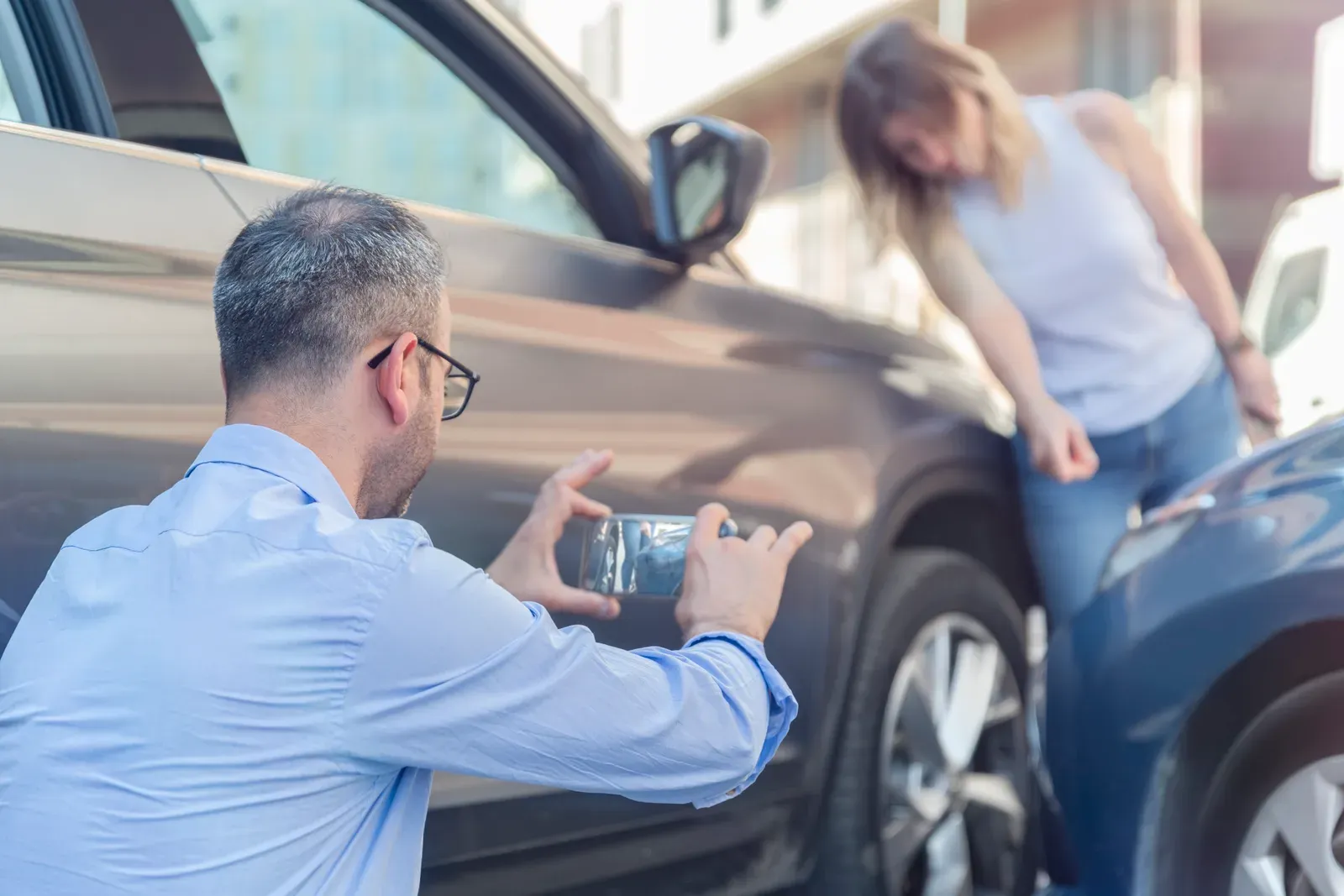
Every TTC bus and streetcar carries a fleet number printed on its body, and that number, together with the route and the time, identifies the exact vehicle and the operator who was driving it. Photograph it. Then photograph the route sign, the stop or intersection, and your car where it came to rest, especially its position relative to the rails or the curb lane. Those few frames do more work later than any amount of explaining.
The operator will normally stop and report the collision to transit control, and a supervisor may come out. Ask for the operator’s name or employee number and write it down alongside the vehicle number. Do not argue about who moved first. Give your own details calmly and keep the conversation to facts.
A full bus is also a full set of witnesses. Two or three passengers willing to leave a name and a phone number can matter a great deal, because the operator’s account will be on file with the agency long before yours reaches anyone. Transit vehicles generally record video on board, and that footage belongs to the agency, so note that cameras were present and let your insurance company or police request it.
Injuries come first. Standing passengers get thrown in a sudden stop even when the contact itself was slow, so if anyone on the vehicle or in your car is hurt, call 911 from the scene and wait for police. If nobody is injured and the combined damage looks likely to pass the provincial reporting threshold, report it promptly at the nearest Collision Reporting Centre.
A streetcar cannot steer, so the rails decide where it hits you
Streetcar damage has a recognizable shape. The vehicle follows the track and nothing else, which means contact usually happens because a car was inside the streetcar’s path: stopped too close to the rails, turning left across them, or pulled forward past a stop line. The result is either a long, low scrape along one side, where the streetcar slid past at its own fixed line, or a hard hit to the front corner of a car that turned in front of it.
The long scrape looks cosmetic and often is not. Bumper covers, door skins and the rear quarter take the visible marks, but the side mirror is often torn off and the wheel can be pushed back in its arch, which can bend a control arm or a tie rod. On curves the body of a long streetcar swings outward beyond the rails, so a car waiting at a corner on King or Queen can be clipped by a vehicle that never left its track.
Bus contact tends to be different. The common ones are a bus pulling out of a stop into a car passing on its left, a rear corner swinging during a tight right turn, and a low-speed bump in a terminal or loop. A bus is far heavier than any passenger car, so even a slow push can move the bumper reinforcement, the headlamp mounts and the fender apron behind the cover.
Ontario has specific rules about passing streetcars and yielding to buses
The Highway Traffic Act makes drivers stop behind a streetcar that has stopped to let passengers on or off, at least two metres back from its rear doors, and stay there until people have reached the curb. The exception is a stop with a raised safety island. Ontario also requires drivers to yield to a bus signalling to pull back into traffic from a stop. Both rules come up in how a transit collision is read, along with the ordinary Fault Determination Rules.
The King Street transit priority corridor adds another layer downtown: at most major intersections, private vehicles must turn right rather than drive straight through. A collision there often turns on whether a car was where the signage allowed it to be.
None of that means you are automatically at fault. It means the facts at the scene matter, and the photographs of where your car sat relative to the rails, the stop and the signs are the facts that settle it.
How the claim runs when the other party is a public transit agency
Start with your own insurance company within the week, as the policy expects. DCPD pays for your car through your own company when you are not at fault, but it depends on how the other vehicle is insured. With a public transit fleet, your insurance company confirms which route applies. You do not have to work that out at the roadside or before you call.
If DCPD applies, your own insurance company handles the vehicle damage for whatever share of the collision was not your fault. If it does not, the damage may fall under your own collision coverage with your deductible, and a claim against the agency becomes a separate question. The TTC runs its own claims process for people who want to pursue that, and Ontario’s two-year limitation period for property-damage claims still applies.
Injuries are separate again. Accident benefits for anyone hurt in your car come through Ontario auto insurance, starting with your own policy. Keep every reference number you are given: the agency’s incident number, the police or reporting-centre number, and your claim number.
What the repair usually involves
TTC buses load at the Don Mills station terminal on our block and run along Sheppard and Don Mills all day. A transit collision anywhere in the city still gets the same first step here: the car comes apart before the estimate is final. A side swipe needs the door trim off to check the window regulator and the door intrusion beam. A corner hit needs the cover off, the reinforcement measured and the suspension checked, and it usually needs a wheel alignment.
Sensors behind the bumper or in the mirror may require recalibration once parts are replaced. You choose the shop whatever the other vehicle was, including when the other party is a public agency, and the adjuster’s questions about the estimate come to us rather than to you.
Questions people ask
The streetcar operator said I was too close to the tracks. Am I at fault?
Not because the operator said so. Your insurance company assigns fault by applying Ontario’s Fault Determination Rules to what happened, using the reports, the photographs and any witnesses. Do not agree or argue at the scene; describe what you saw and let the file speak.
A bus clipped my mirror and kept going. What do I do?
Note the route, the direction, the time and, if you caught it, the fleet number. A transit vehicle is traceable in a way a stranger’s car is not. Because the other vehicle left, report it promptly to police or at a Collision Reporting Centre, then notify your insurance company with those details.
Should I contact the TTC myself or leave it to my insurance company?
Call your insurance company first, because it decides whether DCPD applies and which route the vehicle claim takes. You can also notify the agency directly. If you do, keep copies of everything you send and receive, and give the same facts to both.