Salt season on the streets between Yonge and Bayview
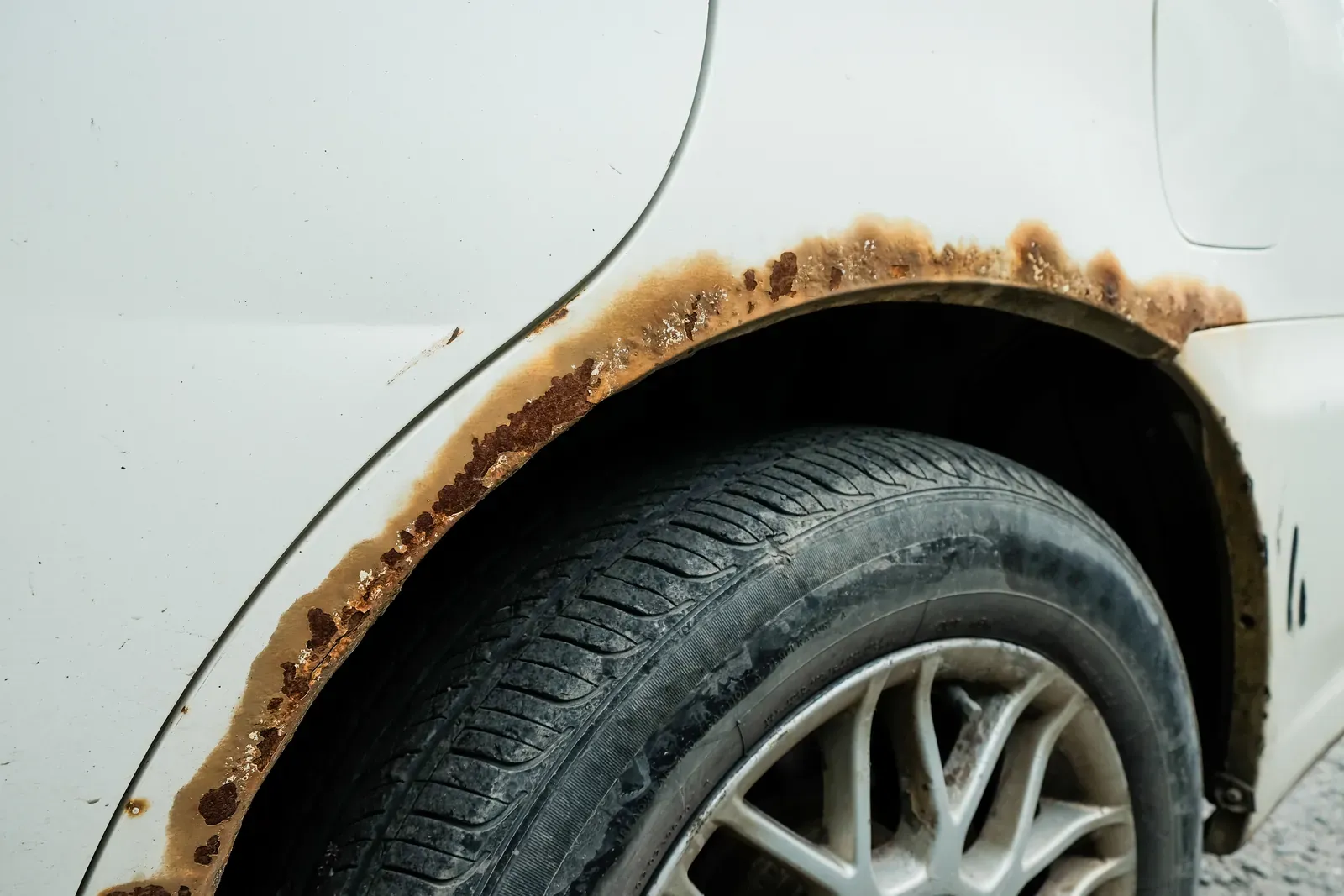
Newtonbrook keeps its cars a long time. The bungalow streets off Cummer and Drewry are full of sedans and minivans that have sat in the same driveway for a decade, parked outside because the garage holds everything else, and driven up Yonge and along Steeles every winter through the brine the city lays down before a storm. Salt spray from the road settles into the wheel arches and the seam at the bottom of each door, sits in the rocker panels behind the plastic trim, and works from the inside out. By the time a bubble shows on the arch lip, the metal behind it has usually been gone for a season.
Windrows make it worse here. The ploughs leave a ridge of salted slush at the mouth of every driveway, and the steep aprons on the new builds mean the lower doors and rockers push through it twice a day. Cars that get a wash on Yonge in January do better; cars that wait for spring pay for it in April, when the freeze-thaw finally lifts the paint.
What a real rust repair means
There is a cosmetic version of rust repair, where the bubbles are sanded, the hole is filled, and the panel is painted. It looks fine for a winter and then the bubbles come back a little further along, because the rust is still in the metal under the filler. We do not do that version. The panel is cut back until the steel is clean and bright, a new section — a patch panel, a rocker section, or a full arch repair panel — is welded in, the seams are ground and sealed, the inside of the panel is treated so the new steel does not go the way of the old, and the outside is primed and painted with the colour blended into the door or quarter beside it.
Our estimator asks for photos of the outside, and one from underneath if you can get it safely, because a rocker in particular can look mild from above and be open underneath. The estimate then says what it will take and whether it makes sense against the value of the car. On a fifteen-year-old minivan with a rotten rocker on each side, the honest answer is sometimes no. On a car you plan to keep, or one that needs a Safety Standards Certificate to be sold, it is usually yes.
- Rust cut back to clean metal, no filler over corrosion
- New steel welded in: patch panels, rocker sections, arch repair panels
- Seams sealed, cavities treated, refinish blended and warranted for life
- Photo estimate first, with a plain answer on whether the car is worth it
Before a sale, a safety, or one more winter
A good number of Newtonbrook rust jobs come in because the car is changing hands. A private sale in Ontario needs a Used Vehicle Information Package, the buyer needs a Safety Standards Certificate to license the car, and a rocker with a hole in it will fail that inspection. Doing the repair before the sale rather than knocking the price down for the buyer is usually the better deal. The same goes for a lease coming to an end with bubbles on the arches.
The other reason is simply to get a few more winters out of a car that is otherwise good. Do it in the warm months if you can, because the panel has to be dry and the work goes faster, and because a repair done in September sees its first salt with fresh sealer inside. The trip is Finch east to Leslie, south to Sheppard, and we are next to the mall at Don Mills, about 11 to 17 minutes. Rust is not an insurance claim, so this one is arranged directly with you, in English or Mandarin.
Questions people ask
The plastic sill trim on my minivan hides the rocker. How do I check what is under it?
From underneath is the only reliable look — trim traps salt and moisture against the steel, so a rocker can look clean at the paint line and be open along the pinch weld below. Take a phone photo along the underside of each sill; if there is scale or flaking, the trim should come off for a proper inspection, and our estimator will say from the picture whether that is worth doing now.
The car sleeps outside on Drewry all winter. Does that speed the rust up?
Somewhat — a car that never dries out holds brine in its seams longer, and freeze-thaw works on any water trapped there. The bigger factors are winter kilometres on salted roads and how often the wheel wells get rinsed. Either way corrosion is wear, paid directly rather than through comprehensive coverage; the exception is rust starting at an old, badly repaired collision site, where the original repair warranty may apply.
The lease on our SUV ends in October and there are bubbles above both rear wheels. Will the return inspection care?
Usually, yes — corrosion visible on a walk-around tends to be charged back as a panel repair at the lessor’s rate. Having the arches cut, welded and refinished before the return is normally the cheaper path, and you keep the paperwork showing the repair used new metal rather than filler.