How the call gets made
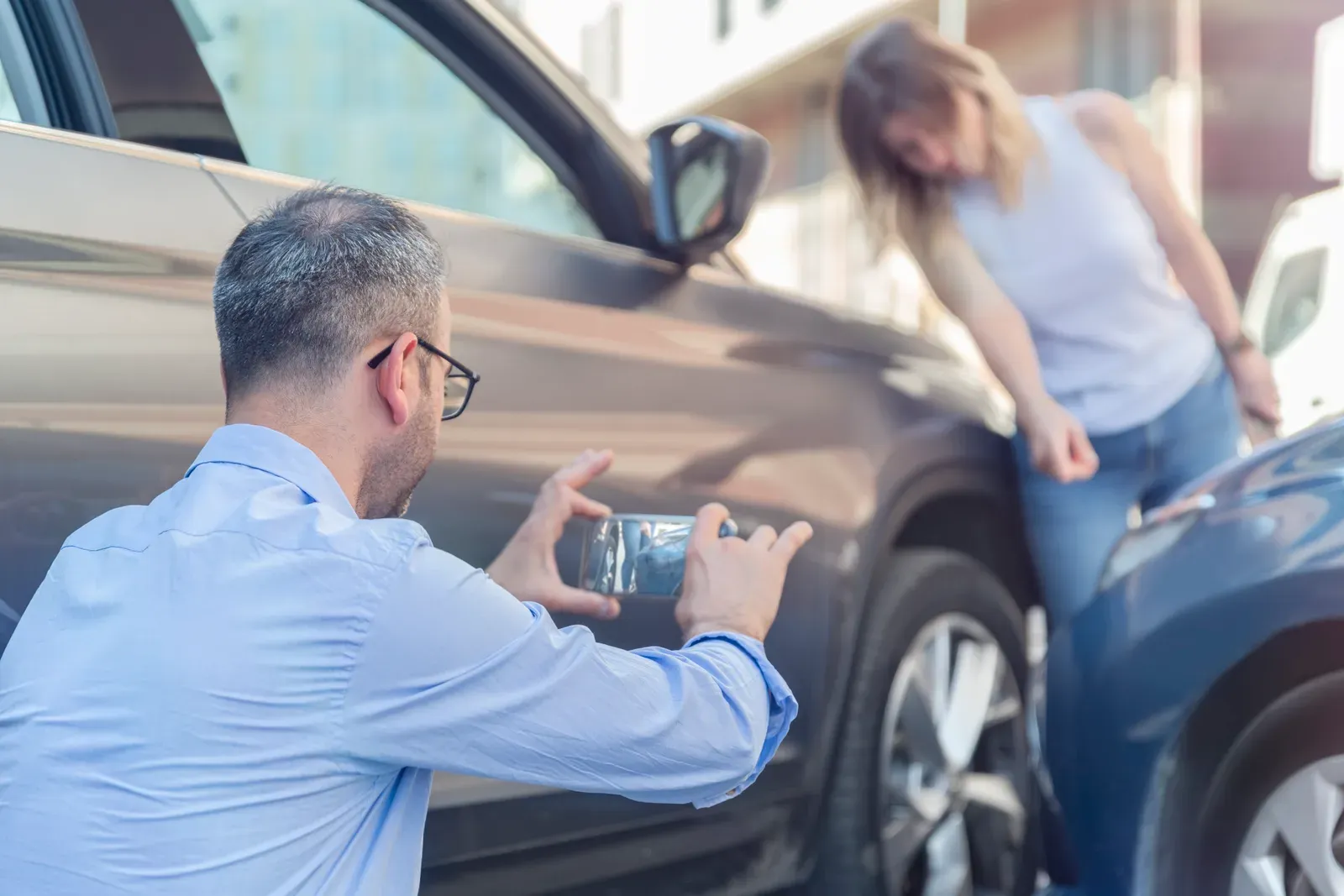
Write-off decisions feel arbitrary from the driveway and they are not. The insurance company compares the cost to repair against what the vehicle was worth immediately before the collision, adjusted for what the damaged vehicle can be sold for as salvage. When repairing costs more than the difference, repairing stops making commercial sense and the file becomes a total loss.
Ontario has no statutory percentage that triggers this — no magic threshold at which a car is automatically written off. It is arithmetic on three numbers, and the one most open to challenge is the middle one.
This is why an older vehicle with a modest crease can be written off while a newer one with a caved-in front end gets repaired. It is not a comment on the severity of the damage or on whether the car could be made right. A capable shop can repair far more than insurance economics will pay for.
The number you are actually negotiating
Actual cash value is what your specific vehicle, in its specific condition, with its specific mileage and options, would have sold for in your market the day before the collision. Not what you paid. Not what you owe. Not the cost of replacing it with something newer.
That number is produced by a valuation service that gathers listings and adjusts for mileage, trim and region. Those systems are decent at averages and weak at particulars. They routinely miss the trim level, the factory options package, the winter tires on their own rims, a recent set of brakes and a timing service, and the fact that a clean, garaged car with full records is not the same product as the average listing with the same odometer reading.
So the first move is never to argue. It is to ask for the valuation report and read what it used. You are entitled to see the comparable vehicles behind the offer, and reading them tells you exactly where the gap is.
Build the evidence file
A total loss negotiation is not persuasion, it is documentation. Assemble this before you respond to an offer, and put it in one email with attachments.
- Six to ten current listings for the same year, model and trim, from dealers and private sellers in the GTA, with mileage close to yours. Screenshot them with dates and links.
- Your trim and options in writing — the build sheet, window sticker or the options listed on the original bill of sale. Trim errors are the single most common problem in a valuation.
- Service records, especially recent major items: tires, brakes, timing components, suspension work, a transmission service.
- Photographs of the vehicle before the collision showing genuine condition — interior, paint, wheels. Old listing photos and phone pictures both work.
- Anything the valuation missed that carries real market value: a second set of tires on rims, a factory tow package, a sunroof, a technology package.
- A note on the mileage difference between your vehicle and each comparable, since lower kilometres than the comparables is a straightforward adjustment to ask for.
Keeping the car: the salvage buy-back
You can usually ask to retain the vehicle after a write-off. The insurance company pays the actual cash value less the salvage value it would have received, and you keep the car. Drivers do this when the damage is largely cosmetic, when the vehicle is uncommon or well cared for, or when they want to complete a partial repair themselves.
Understand what comes with it. A written-off vehicle in Ontario is branded, and the brand is permanent and follows the vehicle identification number forever. Depending on the extent of the damage, the branding either allows the vehicle to be repaired and returned to the road after passing a structural inspection, or prohibits it from ever being registered for road use again. Which brand applies is determined by the damage, not by your intentions, and you should confirm it before agreeing to anything.
Where a return to the road is permitted, the vehicle has to be repaired and then pass a specific inspection before it can be licensed again, and it will also need a safety certificate. Afterwards, expect the branding to affect what coverage is available, and expect it to reduce resale substantially — a branded vehicle sells to a much smaller pool of buyers, permanently. Run the arithmetic on the reduced payout plus the real cost of repair before you say yes.
Leases, loans and the gap
If there is a lien or a lease on the vehicle, the settlement goes to the lender or the leasing company first and you receive whatever is left. Where the payout is less than the balance owing, you are responsible for the shortfall — a real risk on a newer vehicle financed over a long term, because depreciation outruns the loan in the early years.
That shortfall is what gap protection covers, sold either through the dealership at purchase or as a policy endorsement. Check whether you have it before you assume the worst; many people bought it and forgot. Also check your own policy for a replacement-cost or new-vehicle endorsement if the car is recent, since those change the settlement basis entirely.
Finally, the practical sequence. Do not sign a release until you are satisfied with the number and you have the valuation report. Remove your belongings, your transponder and your plates before the vehicle is picked up — plates stay with you in Ontario, not with the car. Keep the vehicle insured until ownership formally transfers. Ask the shop for copies of the estimate and any teardown photographs, because a repair estimate written from a proper teardown is sometimes what proves the vehicle was worth more than the valuation assumed.
Questions people ask
Can I refuse a write-off and have the car repaired anyway?
You cannot force the insurance company to pay repair costs above the vehicle’s value. What you can do is take the settlement, buy the salvage back, and repair it yourself with the branding that comes with it. Get the repair properly costed from a teardown first, because the number is usually higher than it looks from outside.
How long does a total loss settlement take?
Typically longer than a repair, because valuation, lien discharge and paperwork all have to line up. Rental entitlement often ends a set number of days after the offer is made, so ask early exactly when your transportation coverage stops — that deadline drives the pace more than anything else in the file.
Does a total loss on my record affect future insurance?
The claim is recorded like any other, and how it affects renewal depends on fault and on your history. A not-at-fault write-off is treated differently from an at-fault one. The larger long-term effect is on the vehicle itself if you buy it back, since branding stays with the vehicle identification number permanently.
Should I get my own appraisal?
On a disputed valuation with a meaningful gap, an independent appraisal can be worth its fee, particularly for an unusual, well-optioned or exceptionally well-kept vehicle. On an ordinary sedan with a small difference, comparable listings you gather yourself usually accomplish the same thing without the cost.