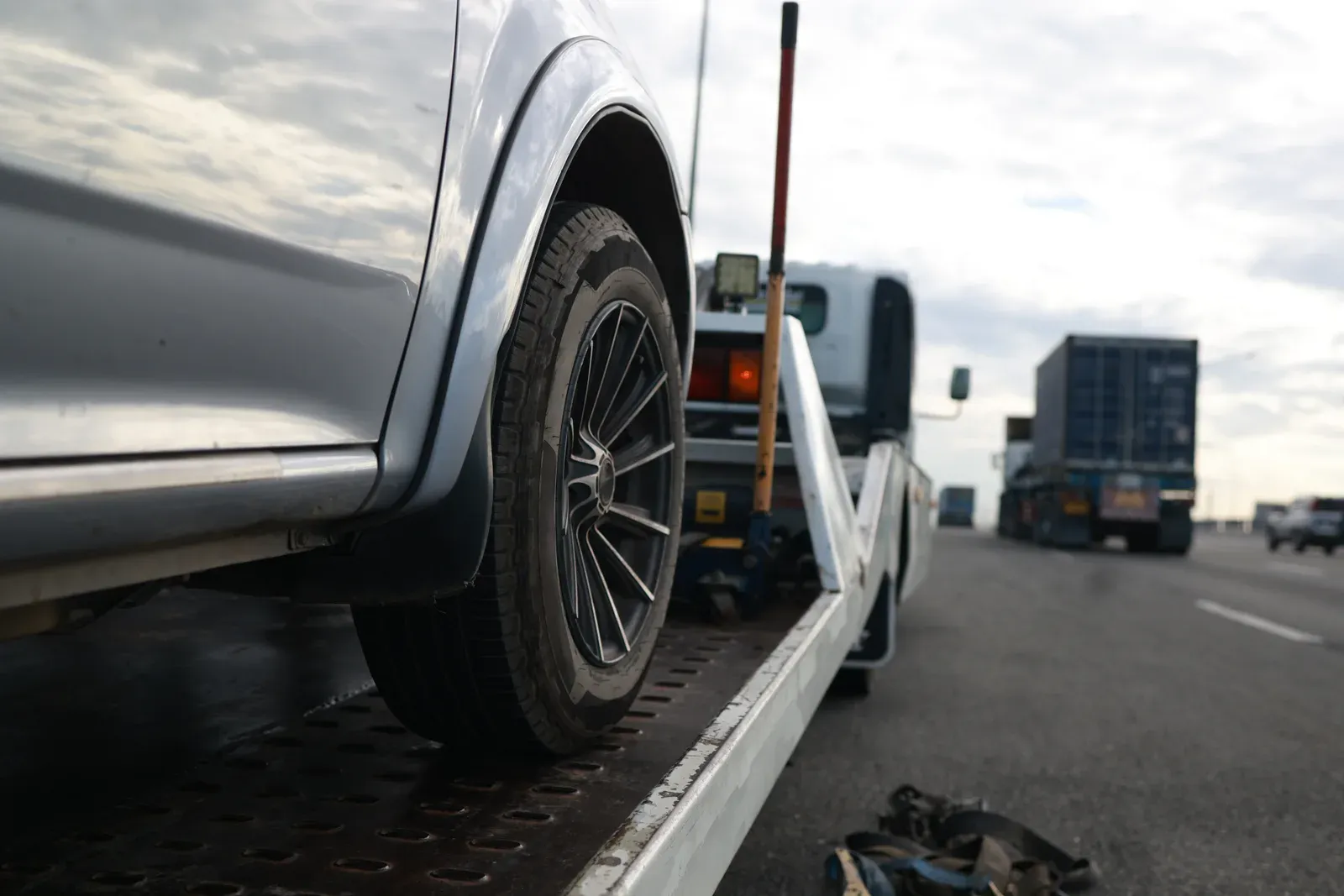
Yes, you can usually buy back the salvage
Keeping a written-off car is called retaining the salvage, and most insurance companies allow it. Instead of handing the wreck over, you tell the adjuster you want it, and they deduct the salvage value from your settlement. You receive the actual cash value of the car minus the deductible minus what the wreck would have brought at auction, and the car stays yours.
People do this for good reasons. The damage is cosmetic on an older car they know and trust. The car has a new engine or a set of winter tires they want back. Or a family member wants a project. What matters is asking before the settlement is finalized, because once the ownership is signed over and the car is on a truck to the auction, getting it back means buying it there like anyone else.
One plain note before going further. A car written off for a small dent on an old body is a very different proposition from one written off because the rails moved. The first is worth keeping. The second is often not, and we will tell you which yours is after the teardown, because the structural repair it needs may cost more than the settlement you gave up.
The car is branded, and that changes what it can do
When an insurance company declares a total loss in Ontario, the vehicle’s registration is branded. The usual brand is salvage, which means the car cannot be driven on the road or plated until it has been rebuilt and inspected. A car damaged badly enough may be branded irreparable instead, and an irreparable vehicle can never be registered for the road again; it can only be used for parts. Ask the adjuster which brand applies before you decide anything.
The brand follows the car for life. It appears on the ownership, on the used vehicle information package you must provide in a private sale, and on any history report a buyer pulls. A rebuilt car can be perfectly sound, but it will always sell for less than an unbranded twin, and some insurance companies are cautious about writing collision coverage on it. That is part of the price of keeping it.
It is also worth calling your own insurance company before you commit. Ask whether they will insure the car once it is rebuilt, and on what terms. A few will only offer liability on a rebuilt vehicle, which changes the arithmetic if the car is worth anything at all.
What has to happen before it is licensed again
To move a salvage brand to rebuilt, the car has to be repaired to the point where it will pass a structural inspection at a station the province has licensed for that purpose. The inspector checks the repairs against the manufacturer’s methods, looks at welds, measurements and airbag components, and needs documentation of the parts and the work. Once the vehicle passes, the brand is changed to rebuilt and the car can be registered.
After that it still needs a safety inspection before plates go on, the same Safety Standards Certificate any used vehicle needs to be licensed in Ontario. Keep every receipt and every photo from the repair, because the inspection is easier with a paper trail. We document structural work on every car as a matter of course; on a rebuild it is the difference between a pass and a return visit.
A rebuilt-brand registration is the final piece. Then the car is a licensed, insured vehicle again, with a brand on its record and, done properly, no compromise in how it drives. Done poorly, it is a car with hidden problems and a brand that tells the next owner not to trust it. Choose the shop for the rebuild the way you would for any structural repair, and read the page on whether a repaired car is as safe as before.
- Confirm the brand with the adjuster: salvage can be rebuilt, irreparable cannot.
- Get the settlement breakdown in writing, showing the salvage deduction.
- Keep every invoice, part receipt and photo from the repair.
- Book the structural inspection only when the repair is complete and documented.
- Plan for a safety inspection and the rebuilt registration before plates go back on.
When keeping it makes sense, and when it does not
It makes sense when the car is worth more to you than the market says, the damage is honest, and the repair cost after the reduced settlement is something you can live with. Older cars in good mechanical shape with a written-off cosmetic hit are the classic case. Cars with a loan still on them are harder, because the lender has a claim on the settlement and may not agree to you keeping the vehicle.
It rarely makes sense when the structure is bent, the airbags have gone off, or the car is new enough that the settlement buys a comparable replacement. In those cases the rebuild eats the savings and leaves you with a branded car that is harder to sell and sometimes harder to insure.
If you are unsure, send us the photos before you say anything to the adjuster. Our estimator will read them, write an estimate for the repair the same business day, and tell you plainly whether the math works. That conversation can happen in Mandarin or English, and it costs nothing to have it.
Questions people ask
Do I get less money if I keep the car?
Yes. The settlement becomes the car’s actual cash value minus your deductible minus the salvage value of the wreck, because the insurance company no longer takes the car to recover that amount at auction.
Can I drive a salvage-branded car?
No. A salvage brand means the car cannot be plated or driven on the road until it has been rebuilt, passed a structural inspection, and been re-registered as rebuilt, followed by the normal safety inspection.
Will the rebuilt brand ever come off?
No. The brand stays on the vehicle’s record for good and appears on the ownership and any history report, which is why a rebuilt car sells for less than the same car with a clean title.
Can I keep the car if it is leased or financed?
Only with the lender’s agreement. The lender is paid first from the settlement, and it may not consent to you retaining a branded vehicle it still has an interest in. Ask them before you ask the adjuster.