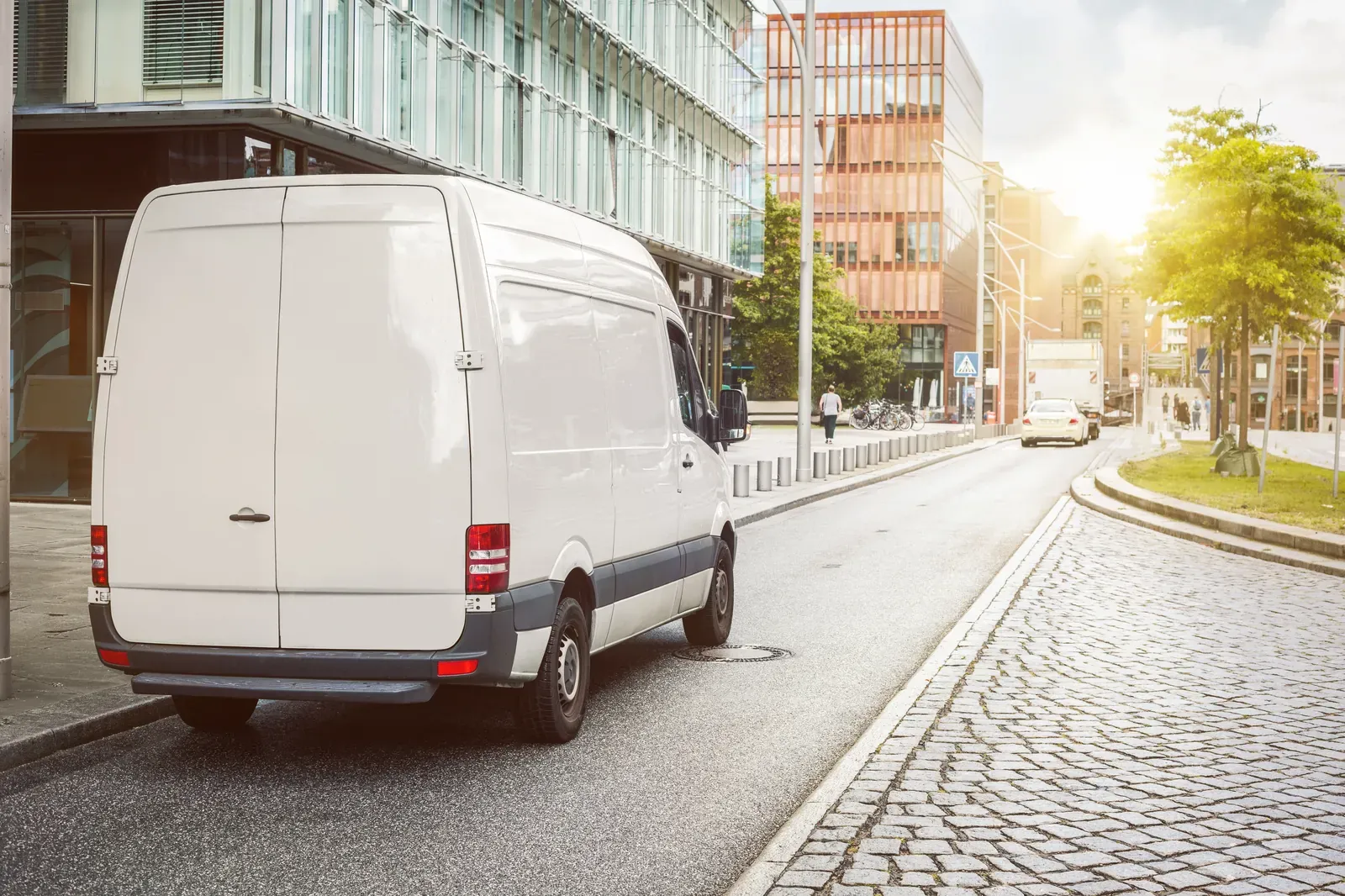
The number that actually hurts is downtime
Ask an owner-operator what a damaged sliding door costs and the honest answer has nothing to do with the panel. It is the routes not run, the crew standing around, the customer told you cannot make Thursday. A van is a tool that earns while it moves, and every day it sits in a stall is a day it is doing the opposite.
That changes how the repair should be planned. On a passenger car, the sensible order is estimate, approve, order parts, book the car in. On a work vehicle, the order is the same but the timing is deliberate: nothing gets booked until the parts are physically in the building, so the van arrives to a job that can start at once.
It also changes what counts as a good decision. A repair that saves a little money but adds three days is usually the wrong one for a fleet, and we will say so rather than quietly booking it.
Staging the work around the route
Small fleets in the GTA rarely have a spare unit sitting idle, so the scheduling is the service.
- Triage by photographs first. Send shots of each damaged unit and the estimates get written together, which lets you see the whole picture before anything moves.
- Rank by urgency rather than by who was hit first — anything unsafe or unroadworthy goes first, cosmetic damage waits for a quiet week.
- One vehicle down at a time where the damage allows it, so the operation keeps running while the queue works through.
- Book around your calendar. A van that is quiet on Mondays comes in on a Monday; a landscaping trailer goes in during a January lull rather than in May.
- Bundle the small stuff. Three scuffed bumpers, a mirror and a dented rear door on the same unit are one visit, not four.
- Keep the parts ordering ahead of the booking, so no vehicle sits in a stall waiting for a courier.
How commercial claims run differently
A fleet policy usually covers vehicles as a group rather than as individual named cars, which changes a few practical things. Deductibles may vary by unit class, the person authorizing the repair is often not the person who was driving, and a purchase order or written authorization from the office may be needed before work starts.
The result is a paperwork trail that has to be tidier than a private claim. We keep the file per unit — plate, VIN, the estimate, the photographs, any supplement — so a fleet manager can reconcile an invoice months later without phoning around. Where a driver reported it and a manager approves it, both get told what is happening rather than one hearing it second-hand.
Two other realities worth planning for. Fleet coverage often carries a higher deductible than a personal policy, which means small dings and scuffs are frequently paid directly, and it is worth pricing the whole batch that way before deciding what to claim. And if the collision involved another party while the vehicle was working, the reporting obligations are the same as for any other driver — the report number still has to exist.
Wraps, decals and the mismatched panel
A wrapped or decalled van adds a step that people forget until the estimate arrives. Vinyl cannot be repaired in place, so the damaged panel’s graphics come off, and the new or repaired panel needs the graphics reapplied to match the panels around it.
The trap is partial reprinting. Vinyl on a van that has been parked outdoors for years has faded, and a freshly printed panel dropped in beside it will not match, even from the same file at the same printer. It reads as a patch from across a parking lot, which is the opposite of what the graphics were bought for. Sometimes the right recommendation is to reprint a whole side, or to accept a visible difference on a unit that will be replaced soon anyway.
The same problem exists in paint. Fleet white is not one colour, and a five-year-old white van has drifted from the code on its door jamb, which is exactly why a repaired panel gets blended into its neighbours instead of being sprayed to code and called done. On a vehicle carrying your company name, a panel that does not match is a daily advertisement for the wrong thing.
Cube vans, box bodies and the rear end
Anything with a box on the back gets damaged in a pattern of its own, and almost all of it happens slowly, at loading docks and in alleys rather than on the highway.
- Rear corners and the lower rear rail — the parts that meet the dock, the bollard and the concrete pillar.
- Roll-up doors that have been forced when a track is bent, which turns a track repair into a door replacement if it keeps being cranked.
- Translucent roof panels cracked by a branch or a low overhang, which leak onto the load before anyone notices.
- Side panels punctured or creased by a forklift, where the skin, the framing behind it and sometimes the interior lining are all involved.
- Torn mud flaps, bent underride bars and damaged step bumpers, which are quick to fix and matter for roadworthiness.
- Interior shelving and racking that has shifted in an impact, worth checking after any collision because it moves loads unpredictably afterwards.
What to send when a unit goes down
Photographs and a plate number are enough to start. Take one wide shot showing the whole side of the vehicle, one straight at the damage, one close enough to show depth, and one of the VIN plate or the door jamb sticker. Add whether the unit is drivable and when you need it back.
From that, our estimator writes an estimate the same business day and tells you two things plainly: how many days off the road it is likely to be, and whether the parts are sitting locally or coming from a distance. If the answer is a week of waiting on a door skin, you get to decide whether the van keeps working with a dent in it until the part lands.
We are at Sheppard and Don Mills beside Fairview Mall, straight off the 404 and two minutes from the 401, which is convenient for vehicles that spend their day on those roads anyway. Drop-off is usually arranged for the start of the day so the work begins immediately, and if a unit cannot be driven in, we will help arrange the tow rather than leaving you to find one.
Questions people ask
Can you look at several vehicles at once without taking them all off the road?
That is the normal approach. Photographs of each unit come in, estimates are written for the whole group, and then the work is staged so one vehicle is in the shop at a time. Most fleet owners want to see the total before committing, and nothing about writing the estimates requires the vans to stop working.
Do you handle the decals and wrap on a repaired panel?
Yes, as part of the plan for the job. The old vinyl comes off the damaged area, the panel is repaired and refinished, and the graphics are reapplied. Where the surrounding vinyl has faded, we will tell you before it is ordered whether a reprinted panel will match, so nobody is surprised at pickup.
Is it better to claim fleet damage or pay for it directly?
It depends on the deductible per unit and on how many small items you are carrying. Batch the damage, get one written estimate covering all of it, then compare. Scuffs, mirrors and small dents often come out ahead paid directly; anything structural, or involving another party, generally belongs in a claim.
How fast can a van be turned around?
The variable is parts, not labour. When the panels are in stock locally and the damage is cosmetic, a short turnaround is realistic; a rear door skin or a box panel coming from a distance sets the schedule instead. We order first and book the vehicle in once the parts are on the shelf, so the days it spends here are days work is happening.