The estimate catching up with the car
Nobody enjoys the phone call that begins “we found more damage.” It sounds like the opening move of an upsell, and drivers have every right to be wary. So here is the mechanism, plainly: a supplement is not additional work being invented, it is the original estimate being corrected once somebody can finally see.
The money side is usually the opposite of what people fear. On an insurance repair the supplement goes to your insurance company for approval and gets paid there. Your deductible does not change because the estimate grew. What changes is the schedule, because parts nobody knew about cannot have been ordered in advance.
A shop that never writes supplements is not more honest than one that does. It is either estimating after teardown — in which case the first number was already complete — or it is discovering the same damage and quietly cutting operations elsewhere to stay inside the number it quoted.
Why the first number is written from the outside
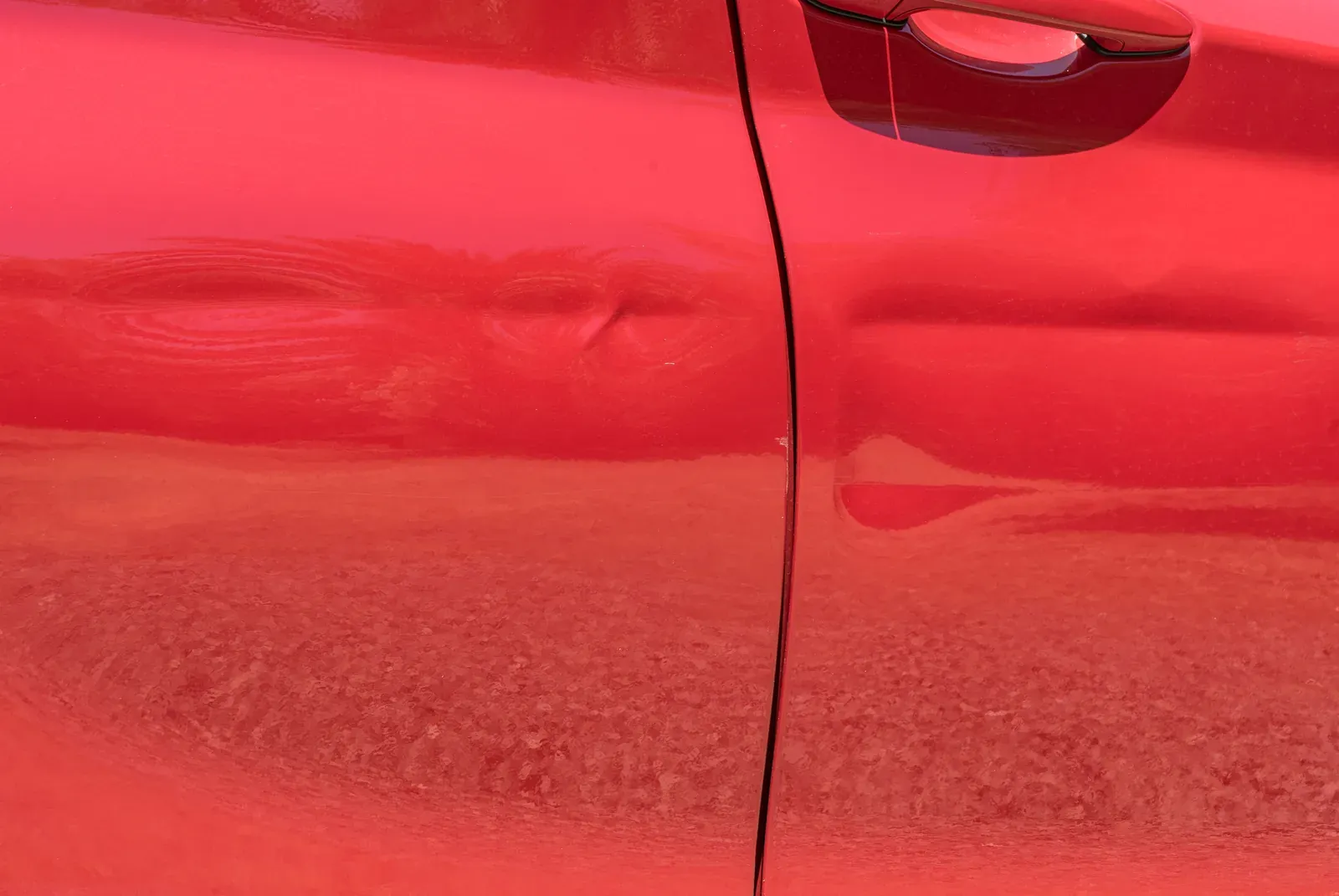
A photo estimate or a walk-around estimate is an inference from surfaces. The estimator reads how a bumper cover sits against the fender edge, whether the gap along the door has opened at the top or the bottom, where the crease runs and how the paint has stretched. From there they predict what the impact did to everything behind.
That prediction is good, and it is genuinely useful — it gets a claim open, a rental booked and parts on order the same day, which is why we write from photographs at all. But modern vehicles hide their structure well. A bumper cover is a flexible skin over an energy absorber, a reinforcement bar, brackets, ducting, sensors and sometimes a radar module. The skin can look survivable while the assembly behind it is compressed.
So the estimate has two stages by design. Write it fast from the outside so nothing waits. Confirm it properly once the car is on a bay and the fasteners are out.
What tends to be hiding, by where you were hit
Damage patterns are repetitive enough that an experienced estimator can usually predict the supplement before writing it. Common examples across the vehicles that come through here:
- Rear impacts: crushed energy absorber, bent reinforcement bar, buckled trunk floor or rear body panel, misaligned trunk lid, cracked tail lamp housings, disturbed parking sensors and exhaust hangers.
- Front impacts: bent radiator support, cracked condenser or radiator, broken headlamp mounting tabs, a shifted radar bracket behind the grille, damaged washer bottle, hood latch and hinge alignment.
- Side impacts: intrusion beam inside the door, crushed door hinges or hinge pillar, mirror wiring, bent rocker flange, seat-mounted or curtain sensor faults, suspension geometry pushed out of specification.
- Corner and glancing hits: fender liner mounts, wheel arch flanges, a scuffed wheel with a bent flange behind an intact-looking face, tie rod or control arm damage that only shows on the alignment rack.
- Low-speed parking impacts: broken clips and retainers that cannot be reused, cracked absorber foam, sensor rings knocked out of alignment so a warning appears days later.
- Older vehicles anywhere: corrosion under the damaged area that has been progressing for years and only becomes visible when the panel comes off.
How the approval actually moves
The sequence is the same on almost every file. The vehicle comes apart in the bay. The technician and the estimator inspect and measure the structure where relevant. Photographs are taken of each newly visible item, close and in context, because an adjuster who cannot see it cannot approve it.
The revised lines are written into the estimate and submitted with those photographs and, where it matters, the manufacturer’s repair procedure showing why an operation is required rather than optional. The adjuster reviews it, and on larger supplements an appraiser may come out to the vehicle to look. If there is a disagreement it happens now, between the shop and the appraiser, at the car.
Once approved, the additional parts get ordered. Only then does the physical repair continue on those areas. We call you when the supplement is written rather than after it is settled, so you know where the car is and can plan around the rental.
Ask to see the teardown photographs at any point. They are taken for the adjuster, but they belong to your repair, and looking at the compressed absorber behind a bumper cover that appeared merely scuffed tends to end the suspicion that somebody is inventing work. It is also the clearest evidence you will ever have that the damage was real, which matters years later if a buyer asks what the claim on the history report was for.
What it does to your timeline
The plain arithmetic is that a supplement adds two separate delays. First the approval, which can take from a few hours to several days depending on the file and whether an appraiser needs to attend. Then the parts, which is the larger variable — a common bumper cover for a popular sedan can arrive overnight, while a trim-specific lamp assembly or a structural component for a low-volume model can take considerably longer.
Both delays compress if the teardown happens early. A car torn down on day one produces its supplement while the first parts order is still in transit, so the two waits overlap instead of stacking. A car that sits assembled until parts arrive produces its supplement at the moment everyone expected the repair to be nearly done.
Ask two questions at drop-off and you will avoid most of the frustration: when will you tear it down, and will you tell me the day the supplement is submitted? If a rental is running, tell the rental company early rather than on the day the booking ends.
Questions people ask
Will a supplement increase what I pay?
Not your deductible — that is fixed by your policy, not by the size of the estimate. The additional cost goes to the insurance company on an approved claim. The exceptions are things you specifically chose, such as upgrading to original-manufacturer parts where the estimate was written for alternatives, or unrelated work you asked for while the car was apart.
What if my insurance company refuses part of the supplement?
The shop and the appraiser work through the disputed lines with photographs and the manufacturer’s repair procedures, and most items resolve there. If something remains refused, you should be told in writing what it is and why, so you can decide whether to escalate, pay for it yourself, or leave it. Nothing should be quietly dropped from a repair without you knowing.
Can I get an estimate that includes hidden damage up front?
Only by paying for a teardown before the claim is approved, which some drivers do on a disputed or borderline file. It gives you a complete, defensible number. The trade-off is that the car is immobilized while you wait, and if the repair does not proceed, reassembly has its own cost.
How many supplements is too many?
One is routine, and two happens on a heavier hit where structural work reveals something after the first pull. Beyond that it is fair to ask what is being found and why it was not visible at the first teardown. There should be a photograph and a reason attached to every added line.