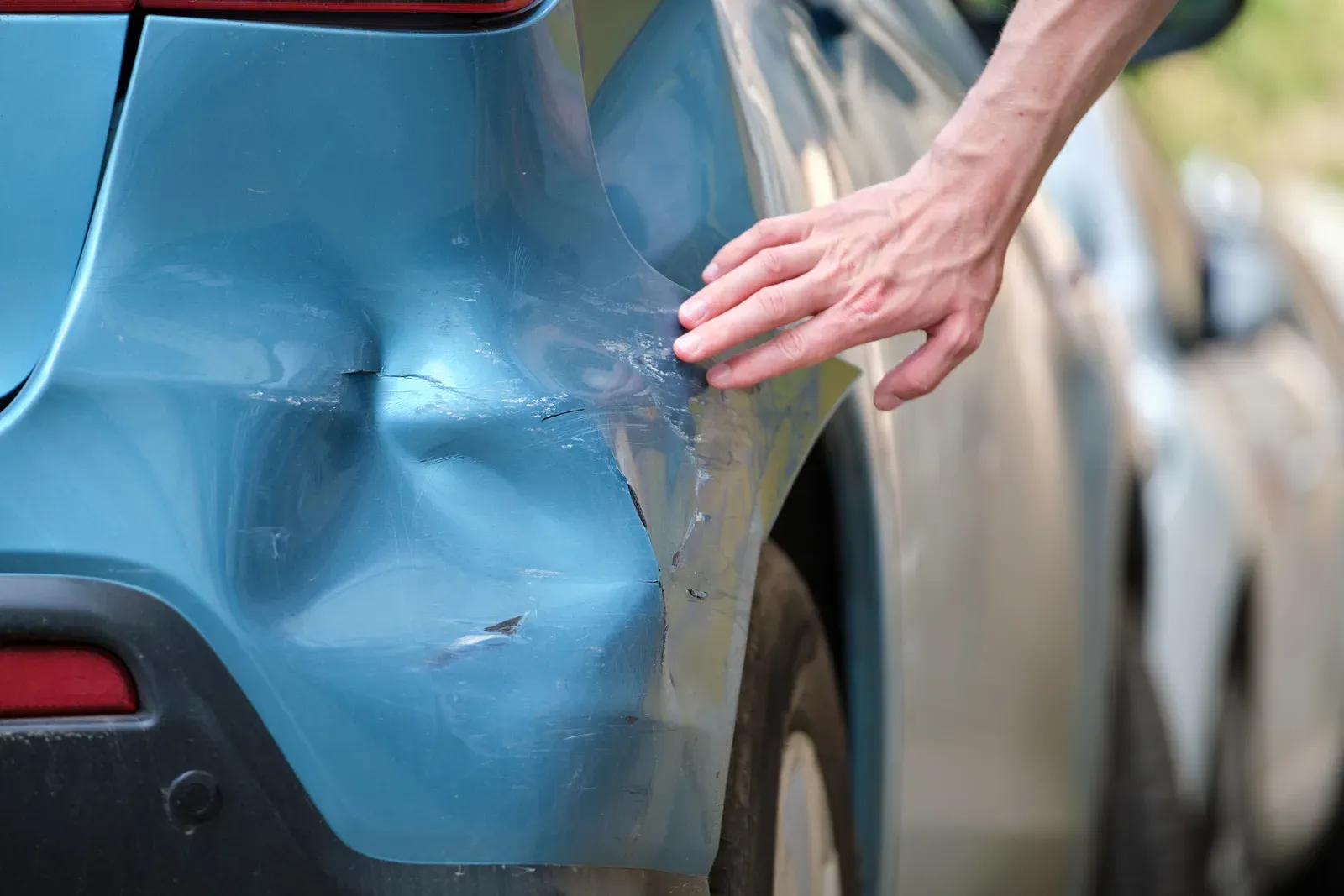
Section 263 replaces the lawsuit with a claim on your own policy
Ontario made a trade long ago. Instead of suing the driver who hit you and waiting for their insurance company to pay, you claim from your own insurance company under Direct Compensation – Property Damage, and in return the right to sue for that same damage is removed. Section 263 of the Insurance Act is where the trade is written.
The bar is specific. It covers damage to your automobile, damage to its contents and the loss of use of the car, where the other vehicle is insured under an Ontario policy or by a company that has signed on to the province’s direct-compensation arrangement. Within that scope, a claim in Small Claims Court against the driver who ran the red at Don Mills and Lawrence is not available, however obvious the fault.
It holds even when you have weakened your own coverage. A driver who signed OPCF 49 has given up DCPD and collision coverage together, and section 263 still prevents a lawsuit against the at-fault driver for the car. That is one reason the OPCF 49 form deserves a slow read before anyone signs it.
What you recover instead is repair, contents and loss of use, in proportion to fault
DCPD pays you for the share of the damage you did not cause, as assigned under Ontario’s Fault Determination Rules. At zero percent fault that normally means the full repair with no deductible, the damaged contents, and a rental for the time the repair reasonably takes. At 25, 50 or 75 percent, DCPD pays its share and the remainder falls to your collision coverage, if you carry it.
The things people most often want to sue for are either inside that scope already or deliberately left out of it. The deductible on your at-fault share and the resale value the car lost both sit in the second group, and neither can be recovered from the other driver when section 263 applies. The guide on diminished value in Ontario goes deep on the resale question; the point here is that the same bar closes all of these doors.
If the real grievance is the fault split, the remedy is to dispute the fault decision with your own insurance company, with photos, witness details and the police or Collision Reporting Centre report, not a lawsuit against the other driver. A dashcam clip from the 404 merge, or a statement from the driver stopped behind you, does more in that conversation than a demand letter ever could, because the adjuster applies the rules to the facts on file.
The exceptions are uninsured, unidentified and out-of-province vehicles, and property that is not a car
The bar depends on the other car being insured inside the Ontario system, so it falls away where that is not true, and it is limited to automobiles and what is in them.
- An identified driver with no insurance: your uninsured automobile coverage pays for your car, and a claim against the driver personally stays open within the two-year limitation period.
- A vehicle that drove off unidentified: there is nobody to sue in practice, so the claim goes under your own collision coverage, supported by a police or Collision Reporting Centre report.
- A car insured outside Ontario, such as one on Michigan or New York plates: DCPD may not apply, and your insurance company confirms whether the claim runs under DCPD or against the other driver’s liability coverage.
- Damage to something other than a vehicle, like the fence or garage door a driver hits on a Leaside side street: that claim goes to the at-fault driver’s liability coverage, because the bar concerns automobiles and their contents.
Injury claims follow a different set of rules from the car
Section 263 is about property. Injuries are handled on a separate track: your own policy’s accident benefits respond first regardless of fault, and a lawsuit against the at-fault driver for injury-related losses remains possible, subject to rules set in law about how serious the injury must be and a deductible on some kinds of damages.
Anyone hurt in a collision should call 911 from the scene and let police attend, then speak with a personal injury lawyer about that side of things. That advice belongs with them, not with a body shop, and the answer on being hit by an out-of-province or American driver is the place to start if the other car was not from here.
For the car, the practical path is short. Tell your own insurance company about the collision promptly, within the week the standard policy allows, choose your shop, and let the claim run under DCPD. We handle that with every insurance company at Sheppard and Don Mills, and the vehicle claim stays separate from whatever happens with an injury claim.
Questions people ask
Can I take the other driver to Small Claims Court for my deductible?
Not when both cars are insured in Ontario and the deductible relates to damage to your car. If you were fully not at fault, DCPD usually leaves no deductible; if fault was split, the deductible on your share is yours to carry.
What if the other driver offers to pay me privately instead?
Nothing stops a voluntary payment, but you cannot compel one in court where section 263 applies, and accepting it does not cancel your duty to report the collision. The situation page on a driver who wants to pay cash covers the risks.
Does the two-year limitation period still matter for car damage?
Yes, wherever a lawsuit is possible at all, as with an identified uninsured driver or some out-of-province cases. Ontario’s limitation period for property damage is generally two years, so get advice early in those situations.
Can my insurance company go after the other driver once it has paid me?
Under DCPD, no. Each company pays its own customer, and there is no recovery from the other side for the car. Outside DCPD, for example with an identified uninsured driver, the company that paid you may pursue recovery.