Yes — and the earlier you do it, the simpler it is
The right to choose your shop in Ontario does not expire when the car rolls through someone else’s door. You can move it. What changes is the bill for the work already done and the parts already ordered, and who ends up paying it. Think of the repair as three stages, and the answer depends on which one you are in.
Most people who want to switch are in the first stage without realizing it. The tow took the car to the shop the insurance company named, an estimate was written, and nothing else has happened. Moving the car at that point costs a tow and a day.
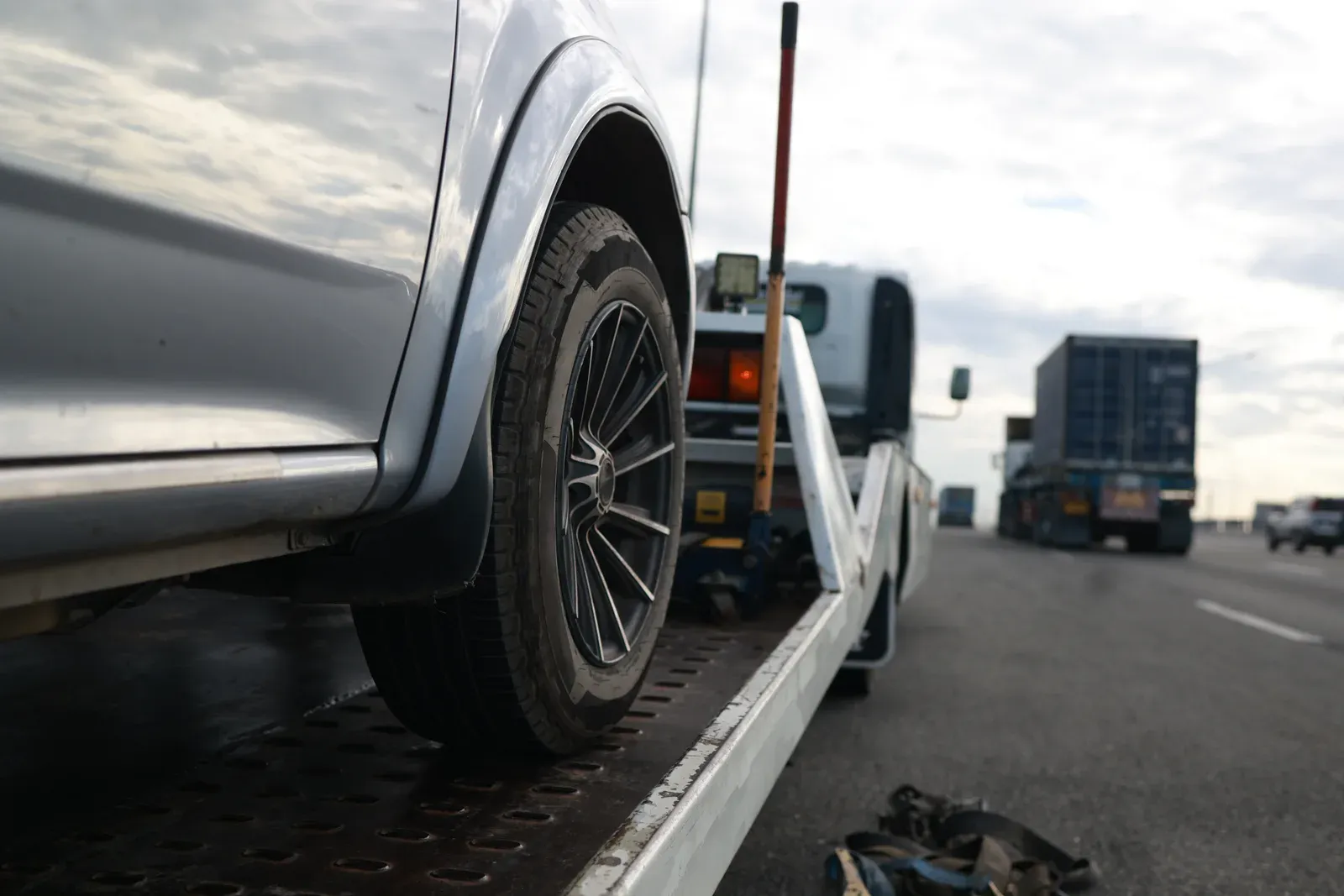
It happens more often than it should in the GTA because of how tows work. A car that cannot be driven after a collision on the 401 or the DVP gets hooked up by whoever arrives first, and the driver, still shaken, is asked where it should go. Many say “wherever” and the car lands at a yard or at a shop the tow operator works with. The claim then starts there by default, and switching becomes a chore instead of a choice.
Stage one: before any work starts
If the car is sitting at a shop with an estimate written and no parts ordered, switching is a phone call. Tell the first shop you are moving the car. Ask for its estimate and photos, and for any storage or estimate charges, in writing. Tell the adjuster where the car is going. Arrange the transport, which means a tow if the car cannot be driven, and the destination is yours to name.
Some shops charge for the estimate or for storage days once they know the car is leaving. Whether that is fair depends on what was agreed at drop-off, and the insurance company sometimes covers reasonable storage on a claim. Ask before you argue. A few days of storage is a small price beside a repair you do not trust.
Stage two: after teardown, before paint
Teardown is where the cost of switching becomes real. The first shop has removed the bumper, pulled the damaged panels, found the hidden damage and written a supplement. Those are billable hours, and the shop is entitled to be paid for them. It may also have ordered parts, some of which cannot be returned.
Who pays for that time is the sticking point. The insurance company approved a repair, not two repairs, and it will not want to pay teardown twice. In practice the first shop invoices for the hours and parts to date, the insurance company pays what it considers reasonable under the claim, and any gap is negotiated between you, the first shop and the adjuster. The second shop then starts from a car that arrives in pieces, which is its own estimating job. We have taken cars in that condition, boxes of clips included, and it works, but it adds days and paperwork.
If you are switching because the first shop found more damage than expected, pause. A supplement for hidden damage is normal and is not a sign the shop is padding. The page on supplements explains what a legitimate one looks like.
Stage three: after paint — usually finish where you are
Once panels are painted, moving the car means a second shop inheriting someone else’s colour match and someone else’s prep. If the paint is wrong, the fix is to have the first shop redo it under its own warranty, not to pay a second shop to strip it. If the work is dangerously bad, document it, involve the adjuster, and ask the insurance company to send its appraiser. Switching at that stage happens, but it is a dispute rather than a preference, and the adjuster becomes the referee.
What counts as dangerously bad is not a matter of taste. Panel gaps you can fit a finger into, a colour that is obviously off in daylight, a bumper that does not sit flush, warning lights on the dash after a sensor was disturbed, or a structural repair that was not done to the manufacturer’s procedure: those are grounds for the adjuster to step in. A paint run or a small dust nib is not, and the first shop should be given the chance to polish it out.
Good reasons to switch, and how we handle a car that arrives mid-repair
Wanting to switch is usually driven by one of a few things, and the timing of each is different.
When a car comes to us partway through, we photograph everything as it arrives, reconcile the first shop’s estimate against what we see, and send the adjuster one clear picture of where the repair stands. That way nobody is billed for the same hour twice, and the claim continues from a known point.
- The tow went to a shop you never chose: move it now, before anything is ordered.
- The estimate looks wrong or you were pressured on parts: get it in writing, then decide, ideally before teardown.
- The shop went quiet, the car has sat for weeks and nobody returns calls: talk to the adjuster, then move it, and ask the insurance company about storage.
- You want Mandarin-speaking help with the claim, or a shop near home: fine reasons, best acted on at stage one.
Questions people ask
Will the insurance company refuse to pay if I switch shops?
No. The claim follows the car. It may decline to pay for duplicated work, so the cleanest switch is one made before teardown.
Can the first shop keep my car until I pay?
A shop can generally hold a vehicle for unpaid work and storage. Settle what is owed, or ask the adjuster to pay it under the claim, and get a receipt before the car moves.
Do I need the insurance company’s permission to move the car?
No, but tell the adjuster before it moves so the file, the rental and the appraiser all follow to the right place.
What happens to parts the first shop already ordered?
Returnable parts go back. Special-order or painted parts may be billed to the claim or to you. Ask the first shop for a list before the car leaves.