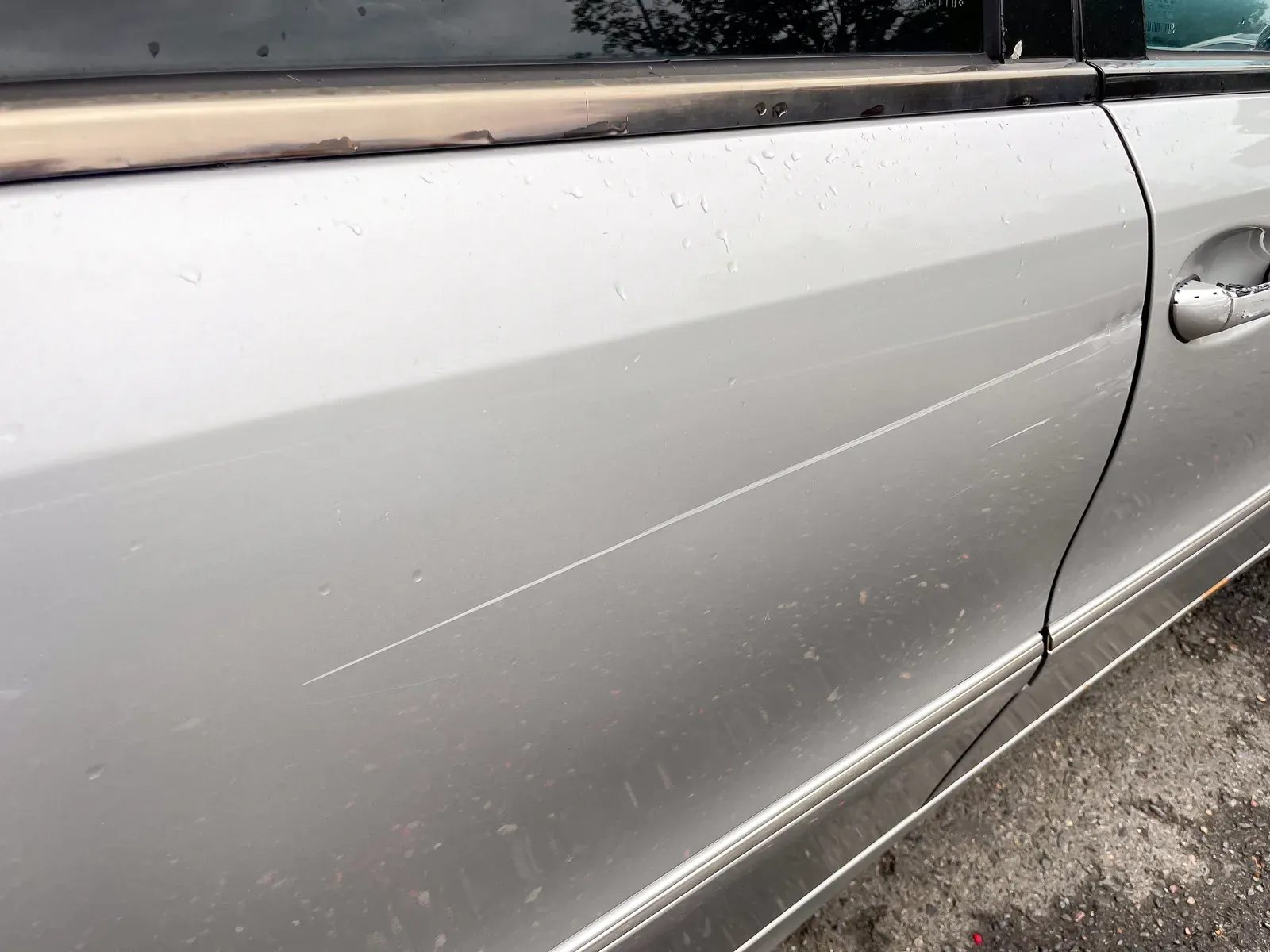
A second opinion earns its keep on cash jobs and big disagreements
The case for shopping around is strongest when the money is coming out of your own pocket. A scraped bumper you are not claiming, a door ding before a lease return, rust on a rocker that no policy will cover: each of these is a private purchase, and comparing quotes is as sensible as it would be for a roof or a furnace.
It is also worth a second look when two approaches are possible and the first shop picked the expensive one. One estimate says replace the bumper cover; another says the tab can be plastic-welded and the corner refinished. One shop writes a conventional dent repair with paint; another thinks paintless removal will do it. Those are honest differences of judgement, and a second estimate tells you which way the damage leans.
Photo estimates make this cheaper than it used to be. You do not have to spend a Saturday driving from Scarborough to Vaughan in 401 traffic to collect three numbers. Send the same set of pictures to two shops and compare what comes back, then go in person to the one whose sheet makes more sense.
A pile of competing quotes does not change what a claim pays
If the repair is going through your policy, collecting extra estimates mostly wastes your time. In Ontario you choose the shop. The insurance company then either sends its own appraiser, reviews photos through its own app, or works from the estimate your chosen shop writes. The figure that gets paid comes out of that conversation, not out of a stack of competing quotes in your glovebox.
Some drivers still bring three estimates to the adjuster out of habit. The adjuster is unlikely to pay the lowest one just because it exists, and the shop you pick will not be bound by another shop’s numbers. The more useful thing to bring is a clear choice of where you want the car fixed, so the claim can move. Whether to claim in the first place is a separate decision, and a single estimate held up against your deductible is normally enough to make it.
Give both shops the same photos and the same story, or the comparison is meaningless
Most of the gap between two photo estimates comes from what each shop was shown. One got a close-up of the scrape; the other also got the wide shot that shows the bumper sitting low at the corner. One heard that a parking sensor beeps constantly since the hit; the other heard nothing. Before you judge the numbers, make sure the inputs matched.
Take one set of pictures in daylight and send that identical set to each shop: the whole corner from about two steps back, the damage close up, the gap where panels meet, and the paint code sticker in the door jamb if you can find it. Add the same two or three sentences about how it happened and anything the car has done since. Then ask each shop the same short questions, and keep the replies in one email thread so you can scroll between them.
- Is any part of this written as a guess until the damaged area is opened up?
- Which panels will be painted, and will the colour be faded into a neighbour?
- Does the price assume original parts or something else?
- Is a scan, alignment or sensor check included or extra?
- How long will you need the car, as a range?
Rust quotes are two guesses about metal nobody has cut open yet
Cash repairs on older cars are where comparing gets hardest, and rust is the clearest example. A quote to fix a bubbling rocker on a car that has seen a dozen salted winters is a guess until the metal is cut, because nobody knows how far the rot runs behind the sill. Two shops quoting that job from the outside are really quoting two different assumptions about what they will find.
Ask each one what the price covers if the rust turns out worse than it looks, and whether it will stop and phone you before going past an agreed amount. Ontario’s consumer rules expect a written estimate and your consent before a repair runs meaningfully over it, so a shop that names its stopping point in writing is simply doing what you should expect. A lower figure with no such limit is open-ended rather than cheaper.
The same thinking applies to any hit where something may be broken out of sight. For a full walk through why two sheets for one dent differ, row by row, see the page on why two body shop estimates can be so far apart. Our estimator lists the unknowns on every sheet, so whichever shop you end up choosing, you can see what each line pays for and where the number could move.
Questions people ask
How many estimates is enough for a cash repair?
Two is usually plenty. A third helps only when the first two disagree on the approach, such as repair versus replace, and you want a tiebreaker.
Will a shop be offended if I say I am getting another quote?
It should not be. Comparing is normal on a private repair, and a clear line-item sheet is the shop’s best argument.
Is it worth driving the car to a second shop, or are photos enough?
Photos are enough to compare approaches on most cosmetic damage. Go in person when the two photo estimates disagree sharply, or when something mechanical, such as a pull in the steering, needs to be seen on the car.