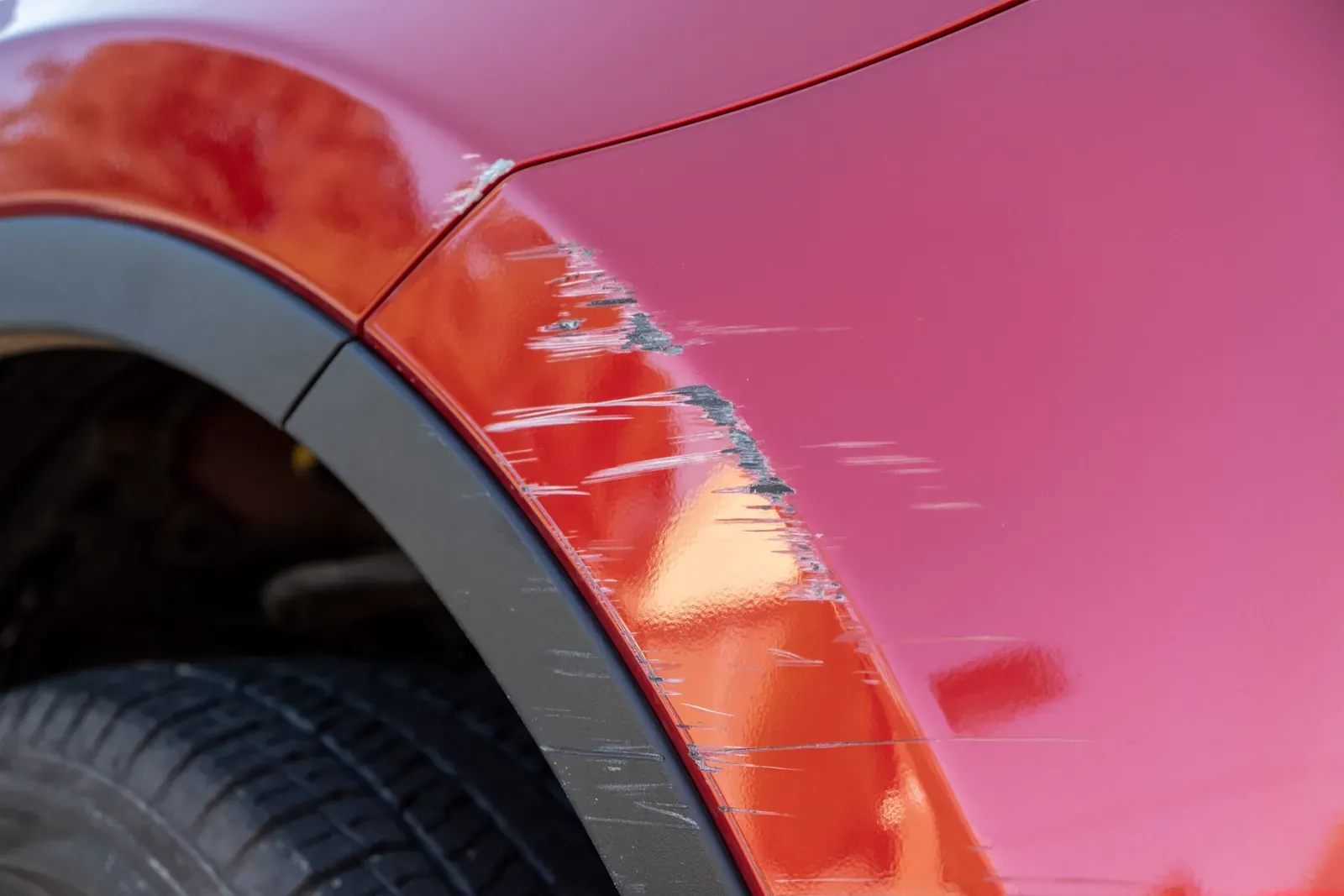
A cash settlement is the appraised figure paid to you instead of to a shop
When you choose not to repair, the insurance company pays you what its appraisal says the repair is worth, minus whichever deductible applies, and closes the file. The cheque is built from the insurance company’s numbers. That matters, because a desk appraisal written from photos has not seen what is behind the bumper cover, and its parts and labour figures may be lower than a shop would write after teardown.
Not every company offers it on every claim, and the adjuster may want an in-person look before agreeing to pay out. Ask directly: will you settle in cash, on what figure, and can I see the appraisal it is based on? If you are weighing the cheque against having the work done, a shop estimate written on the same damage gives you the other half of the comparison.
Timing is part of the decision too. A driver who takes the cheque in March, planning to fix the bumper before selling in the summer, often finds that the shop’s figure after teardown is higher than the settlement, because the appraisal never priced the clips, the absorber or the blend into the fender. Getting both numbers in the same week, before the cheque is cashed, is what keeps that from being a surprise. Our estimator can write one for you to set beside the offer, whatever you decide.
With a lease or a loan, the lender usually gets a say
A leasing company or lender is normally listed on the policy as having an interest in the car, and the cheque for physical damage can be made out jointly to you and to them. You cannot cash it without their endorsement, and many will only sign once the repair is done or the money is going to a shop.
Leases add a second problem at the end. The car goes back to the leasing company with an inspection, and damage left unrepaired is charged against you then, often at a rate you have no chance to negotiate. Finance agreements commonly require you to keep the car in good repair as well. Read the agreement before you accept a settlement, not after.
The same dent will not be paid for twice
Once you have been paid for a panel and left it damaged, that damage belongs to the car’s history. If another driver backs into the same rear quarter panel next winter, the appraiser on the new claim will separate the old damage from the new and pay only for the new. Photos on the first file make that easy for them. The same goes for comprehensive: take the cash for hail dents on the roof, and a second storm over the same roof will not pay for the first storm’s dents.
It can also come up when you renew or move to another insurance company. Some will ask about existing damage or want to see the car before adding physical-damage coverage, and unrepaired damage you were already paid for is not something to leave out of that conversation.
Only take the cheque for damage that is purely cosmetic
A scuffed bumper corner, a shallow crease in a door, a scrape along the rocker of an older car: these can sit unrepaired without making the car less safe. Damage that touches how the car works is another matter. A cracked headlamp or tail lamp housing, a bumper reinforcement folded behind the cover, a bent wheel or suspension part, a dislodged radar or parking sensor, or anything involving an airbag should be repaired, whatever you decide to do with the money.
Ontario requires working lamps on a vehicle on the road, and a car with a broken light or a loose part invites a ticket as well as a second accident. If you are not sure which category your damage falls into, a teardown estimate answers that before you decide.
What unrepaired damage does to the car’s value and a later sale
The claim exists whether or not the car was fixed. Vehicle history reports in Canada commonly show insurance claims, so a future buyer can see that money was paid on the car and then see the damage still on it, which is a harder conversation than a documented repair. A private seller in Ontario has to provide a Used Vehicle Information Package, and the buyer needs a Safety Standards Certificate to plate the car; visible damage to lights or structure can stop a safety inspection.
There is also the case where you take the cheque, then change your mind. You can still have the car repaired, but you are now paying the shop, and any hidden damage found at teardown is yours, because the file is closed. Before cashing the cheque, ask the adjuster in writing whether the claim can be reopened for hidden damage if you repair later.
Questions people ask
Is keeping the insurance money and not repairing the car fraud?
Not when the insurance company offered a cash settlement on a car you own and you described the damage accurately. It becomes a problem if you claim the same damage a second time or misstate what was damaged.
Can I take a cash settlement on a not-at-fault claim?
Often, yes. Under direct compensation your own insurance company pays for the damage, and it can pay you instead of a shop in the same way. On a not-at-fault claim there is frequently no deductible to subtract.
What if the car was written off rather than repairable?
That is a total loss, a different process: the insurance company pays the car’s actual cash value and takes the vehicle, unless you arrange to keep it as salvage. The pages on total losses explain the options.
Can I use the settlement for a cheaper repair somewhere else?
Yes, once the money is yours, but any shortfall between that repair and the damage is yours too. A cheaper repair that skips a blend or a calibration still shows on the car when you sell it.